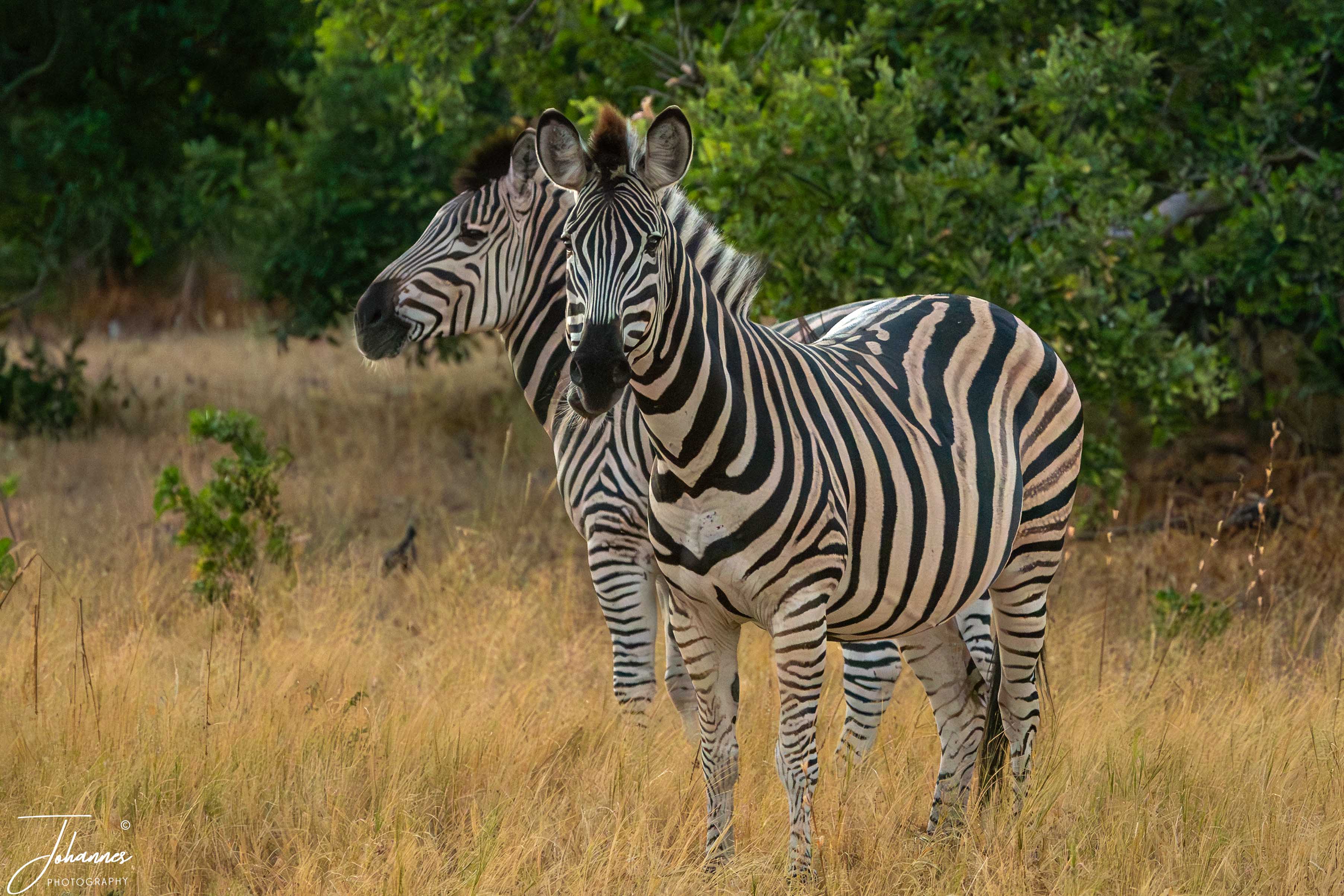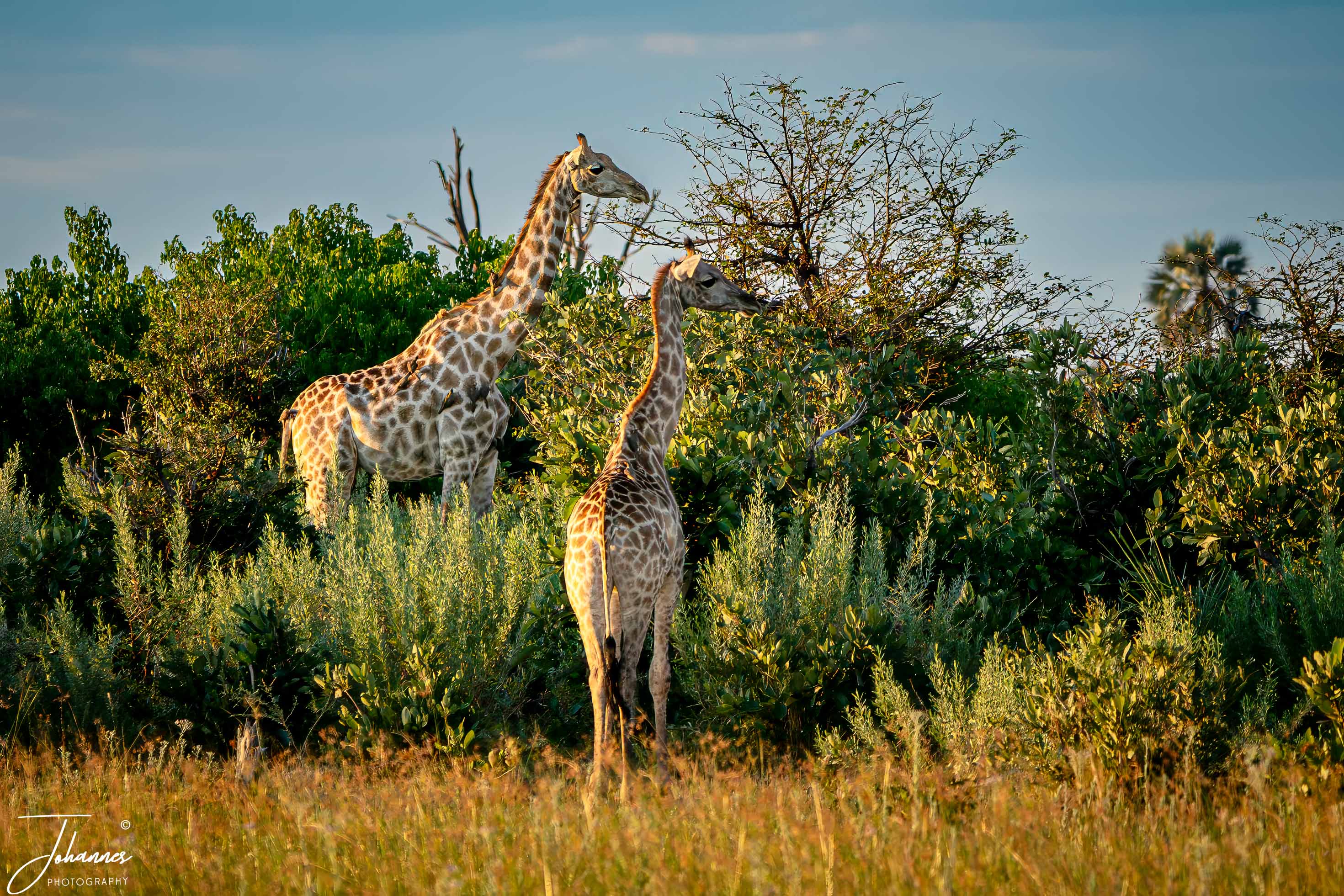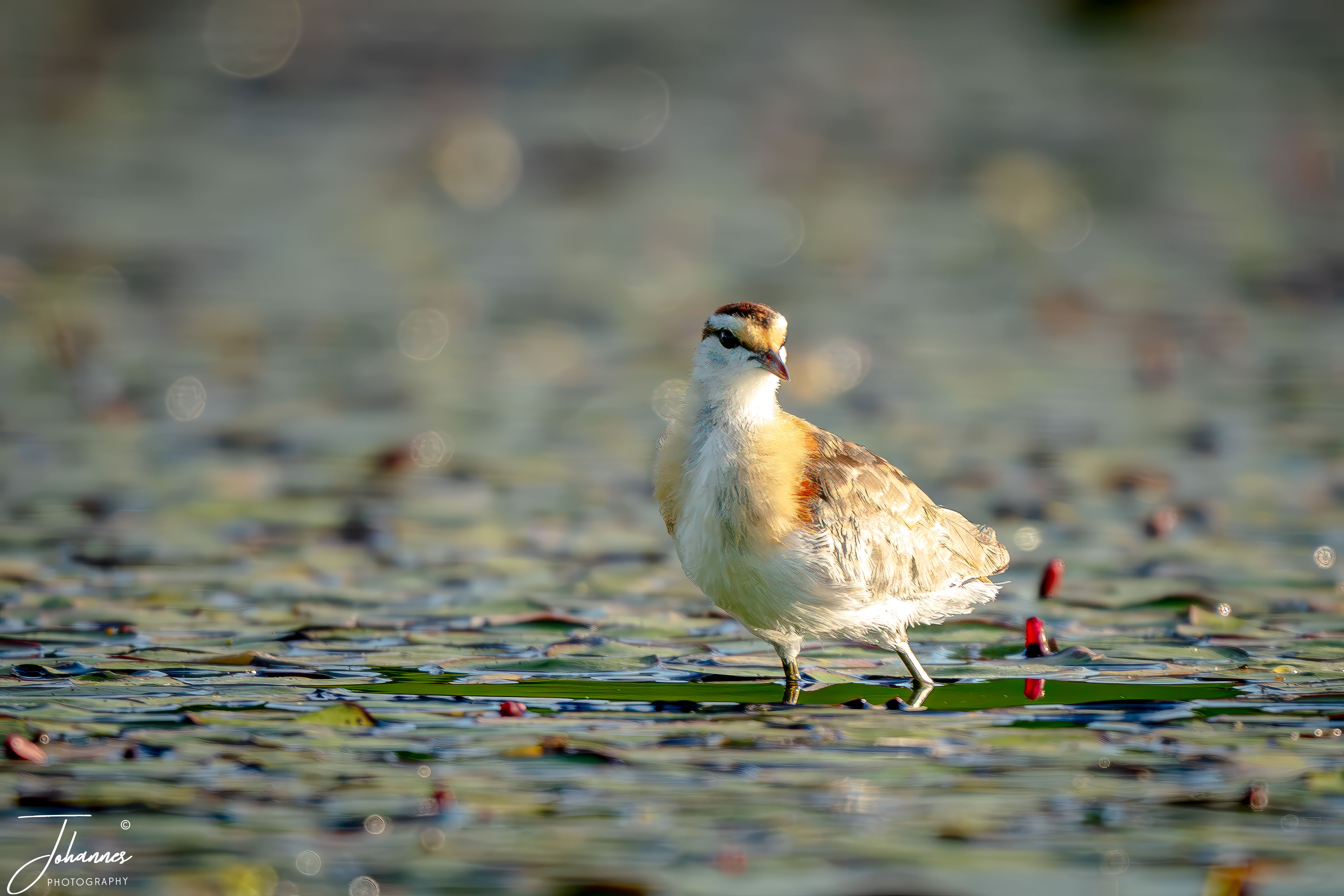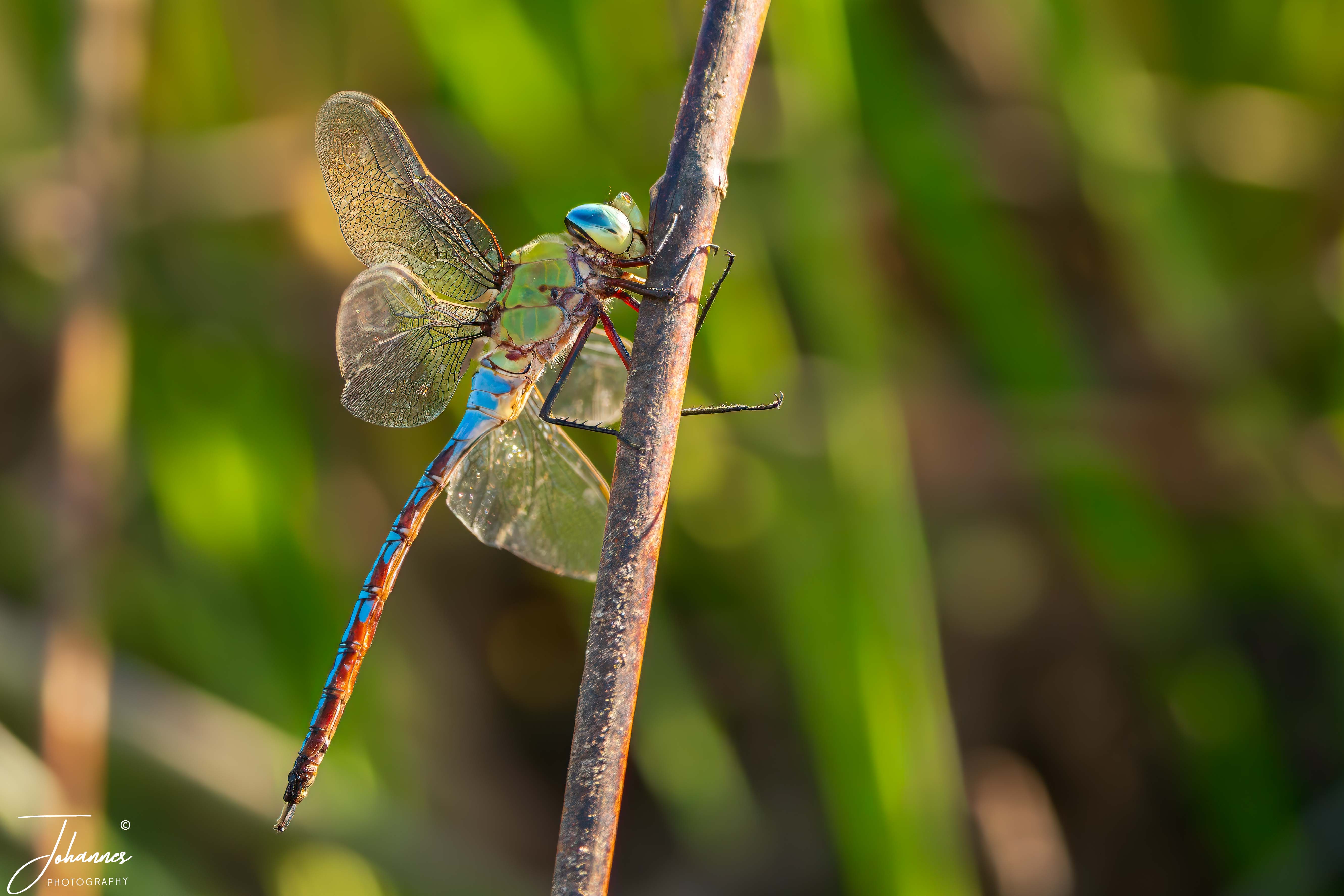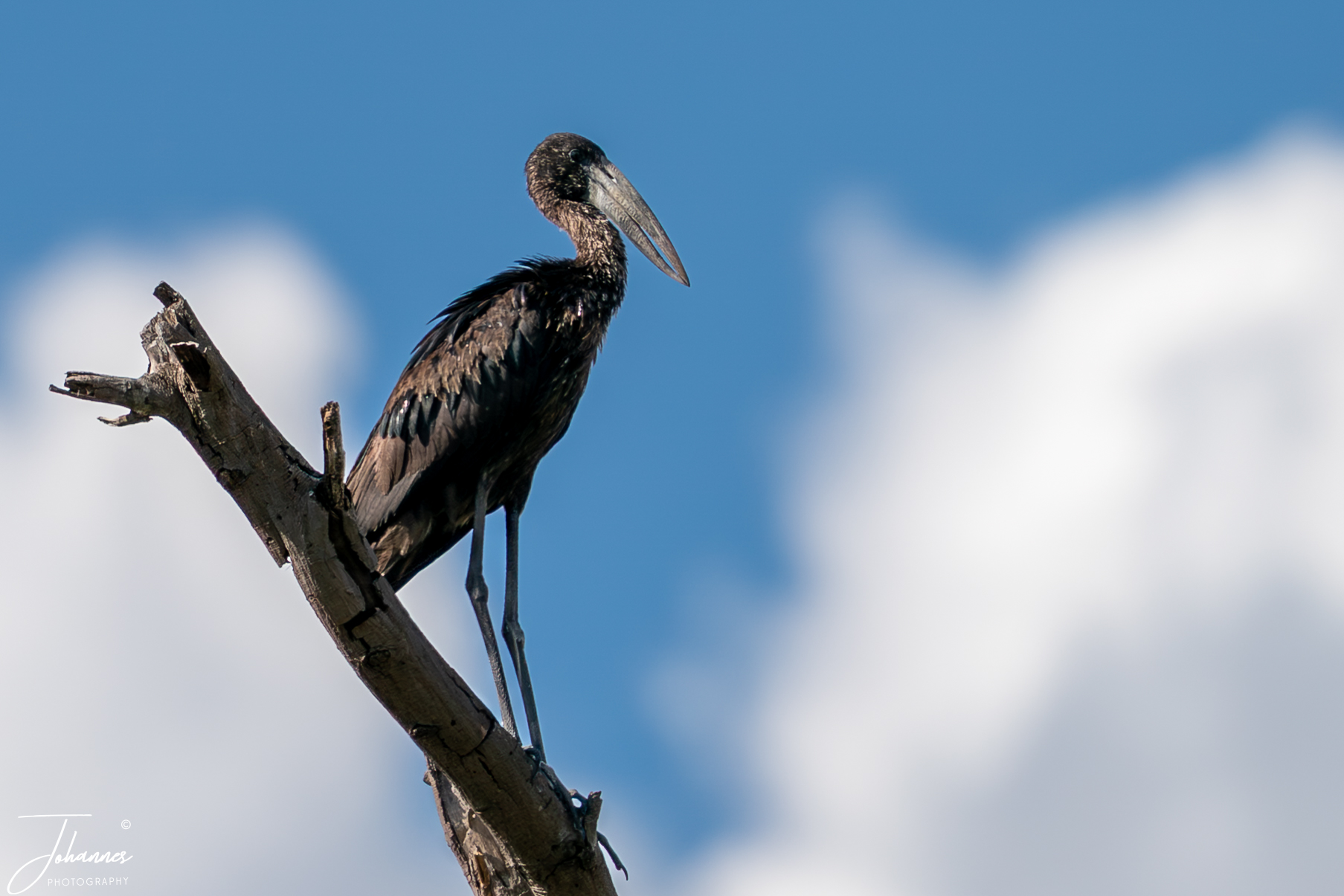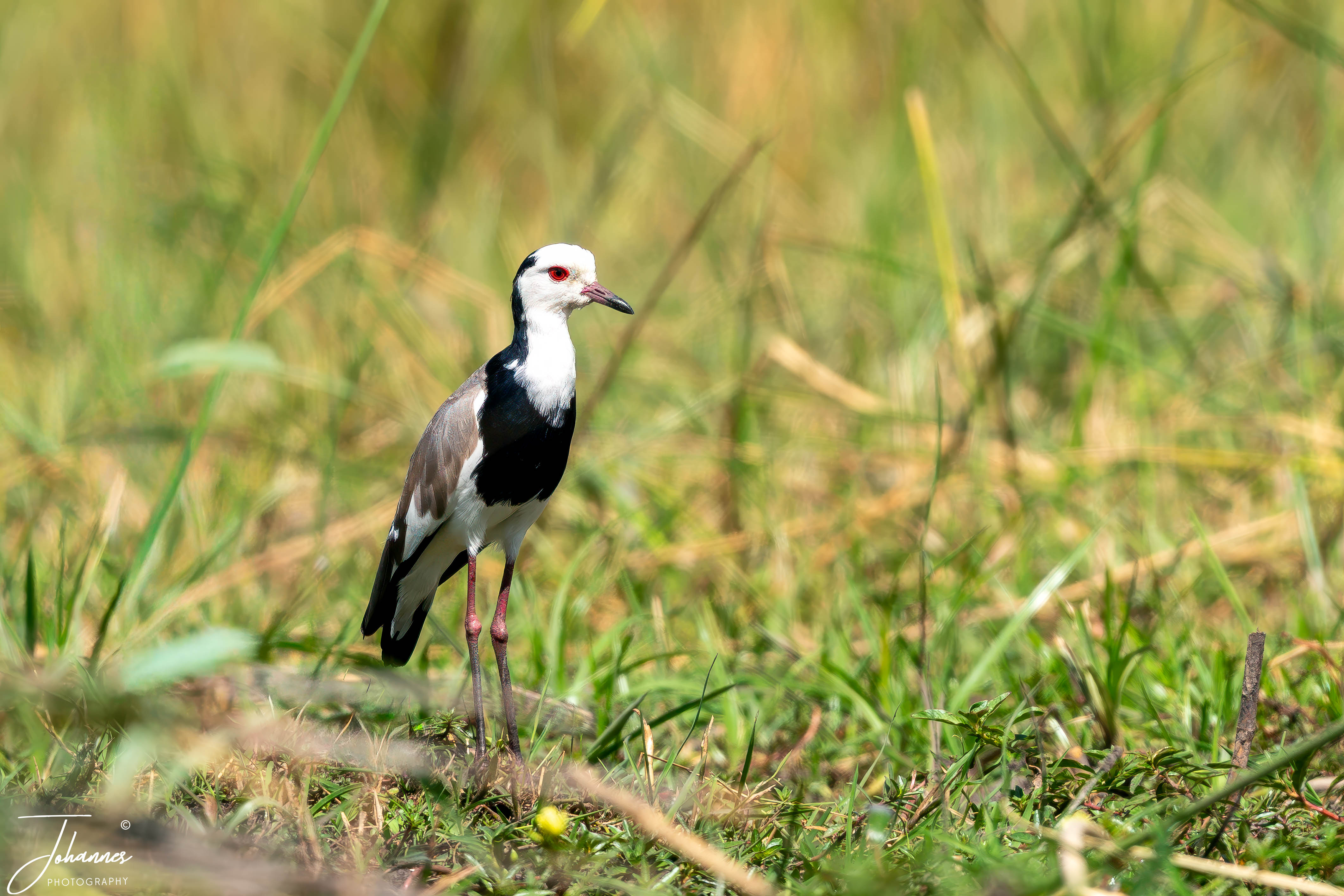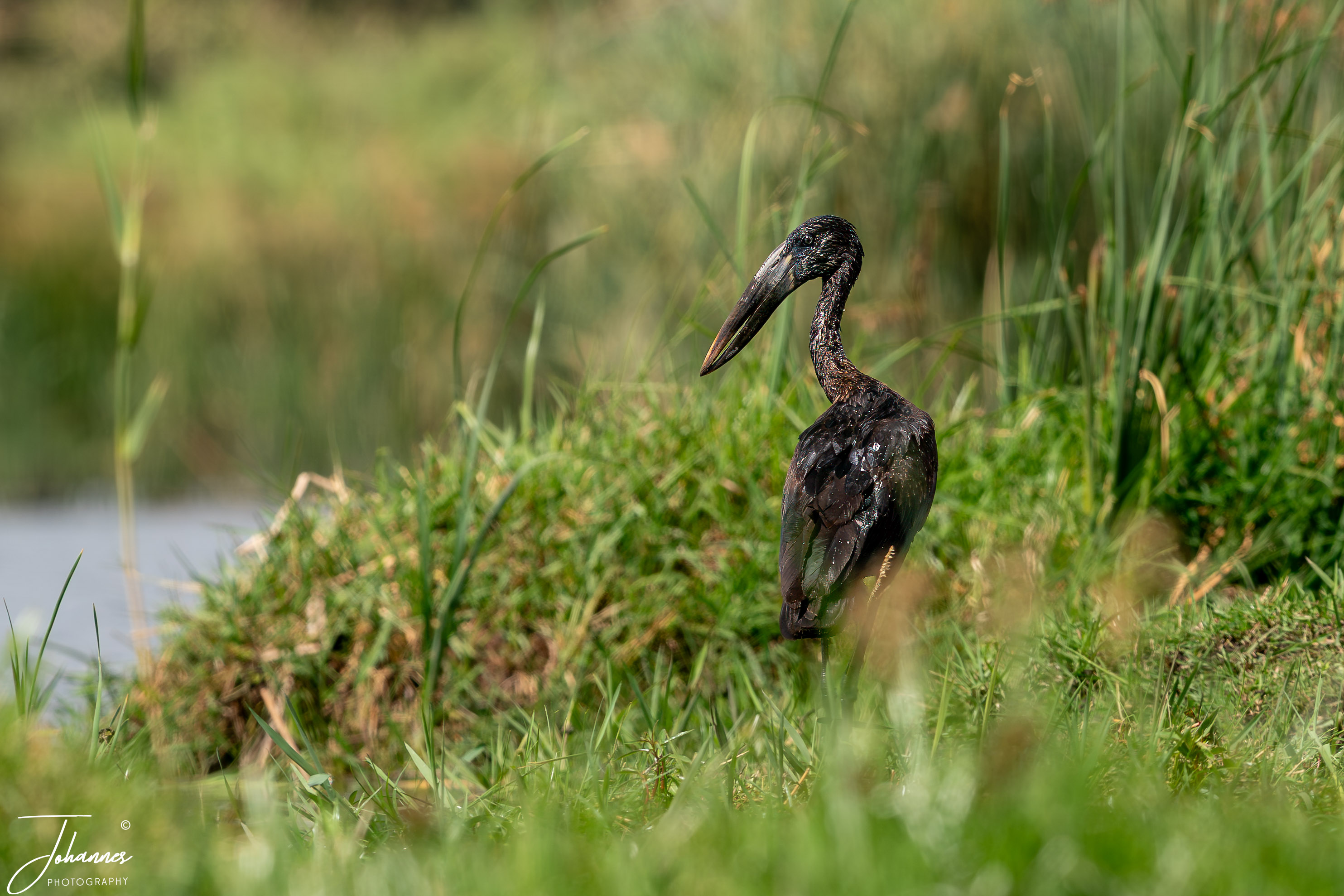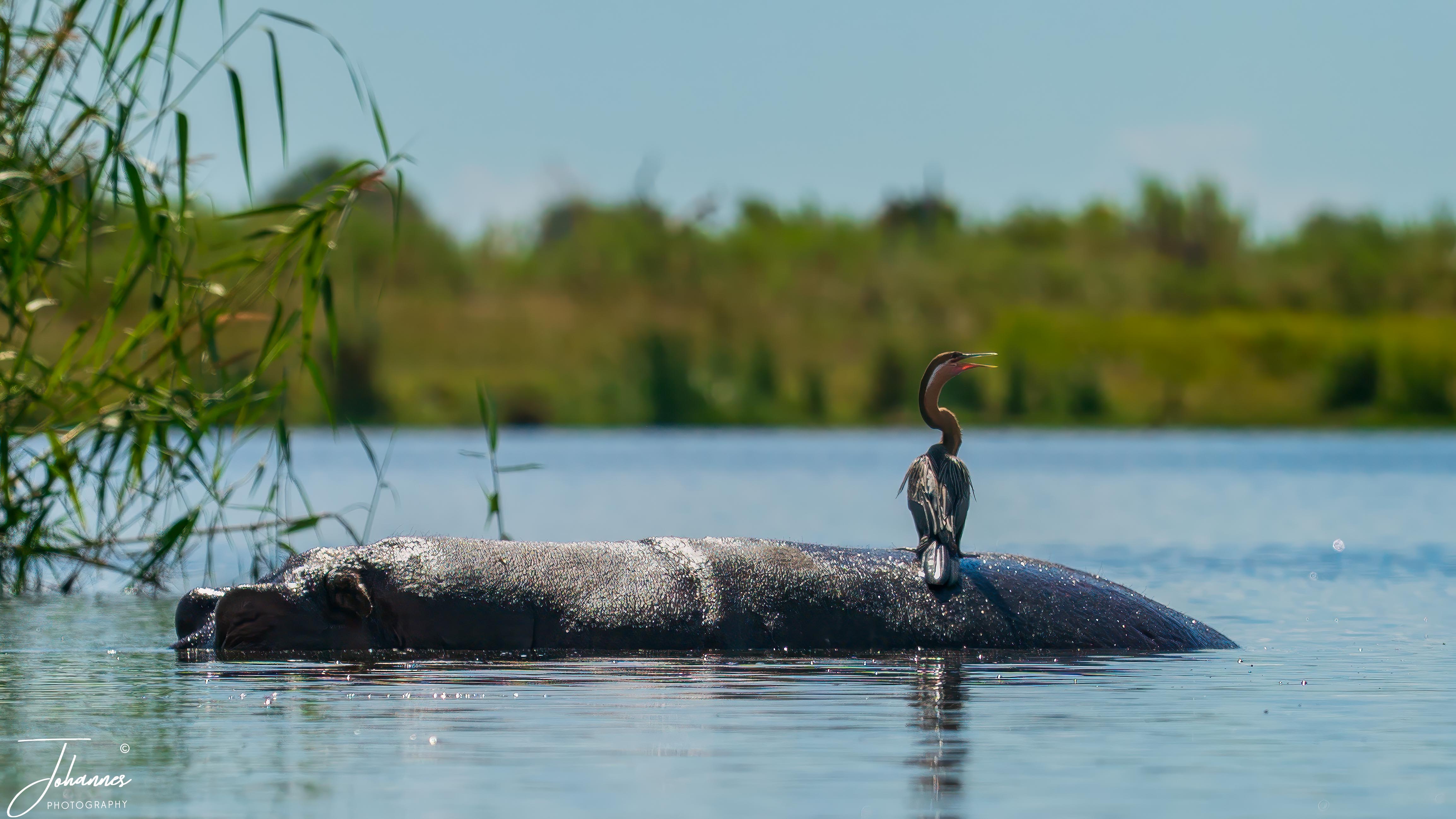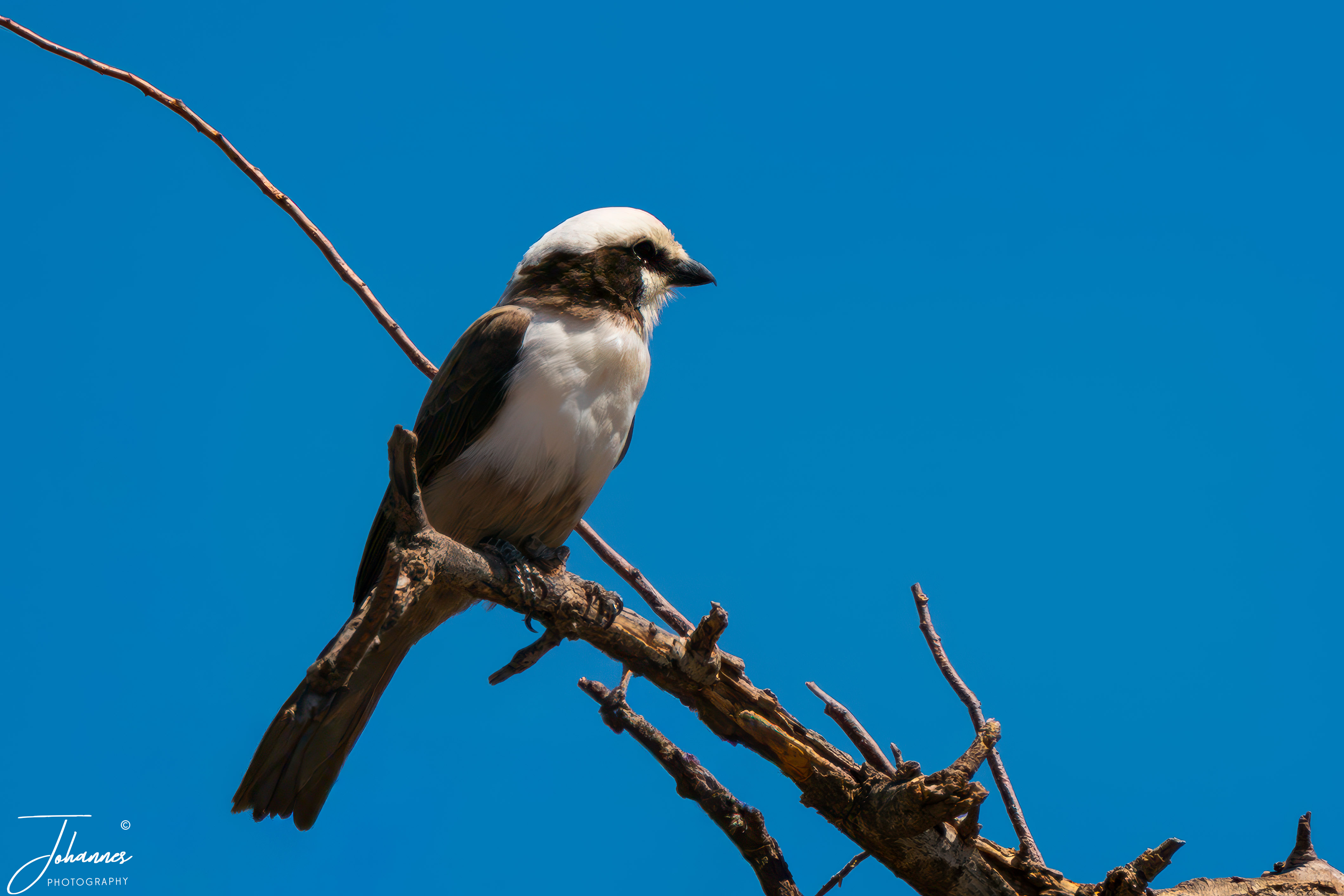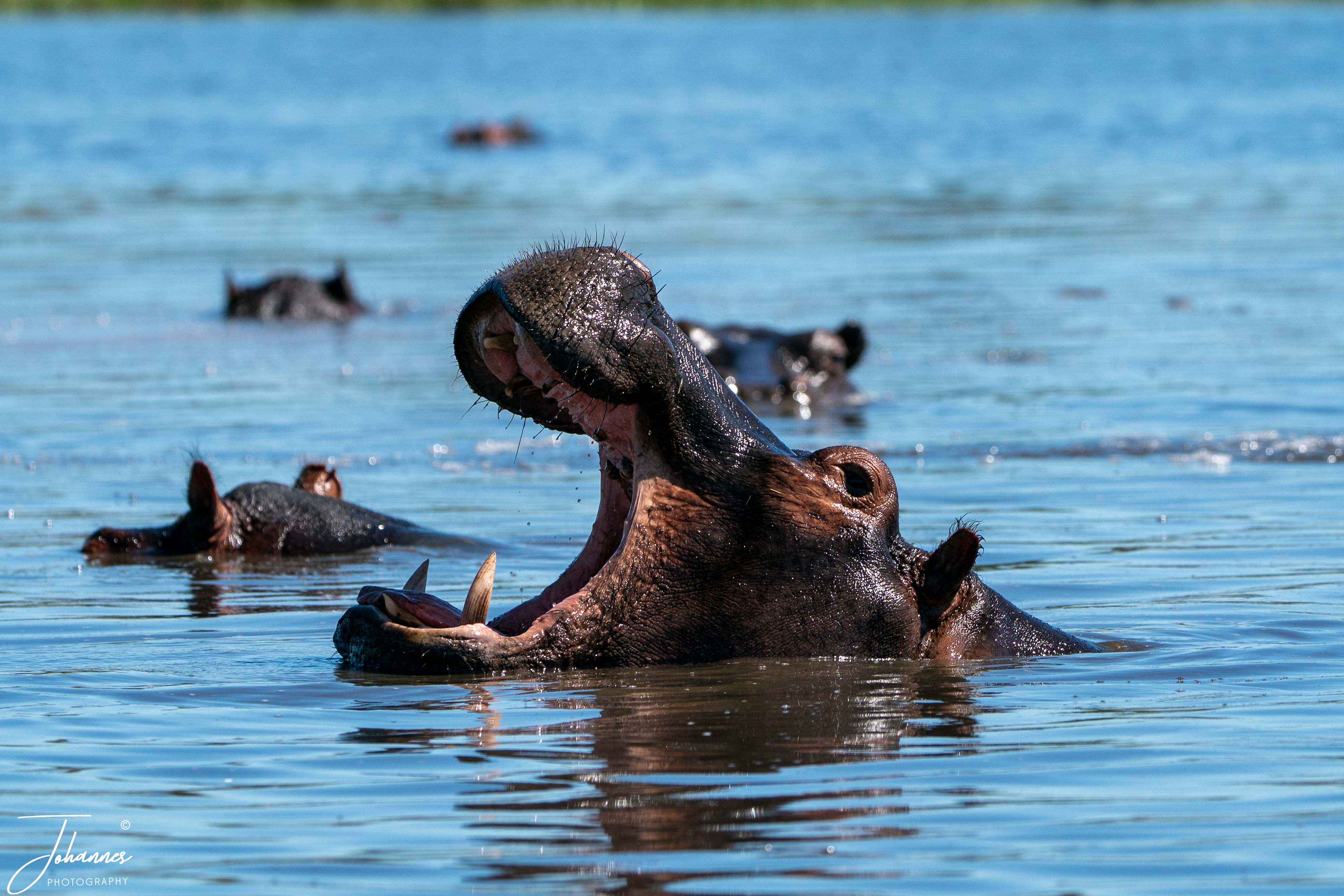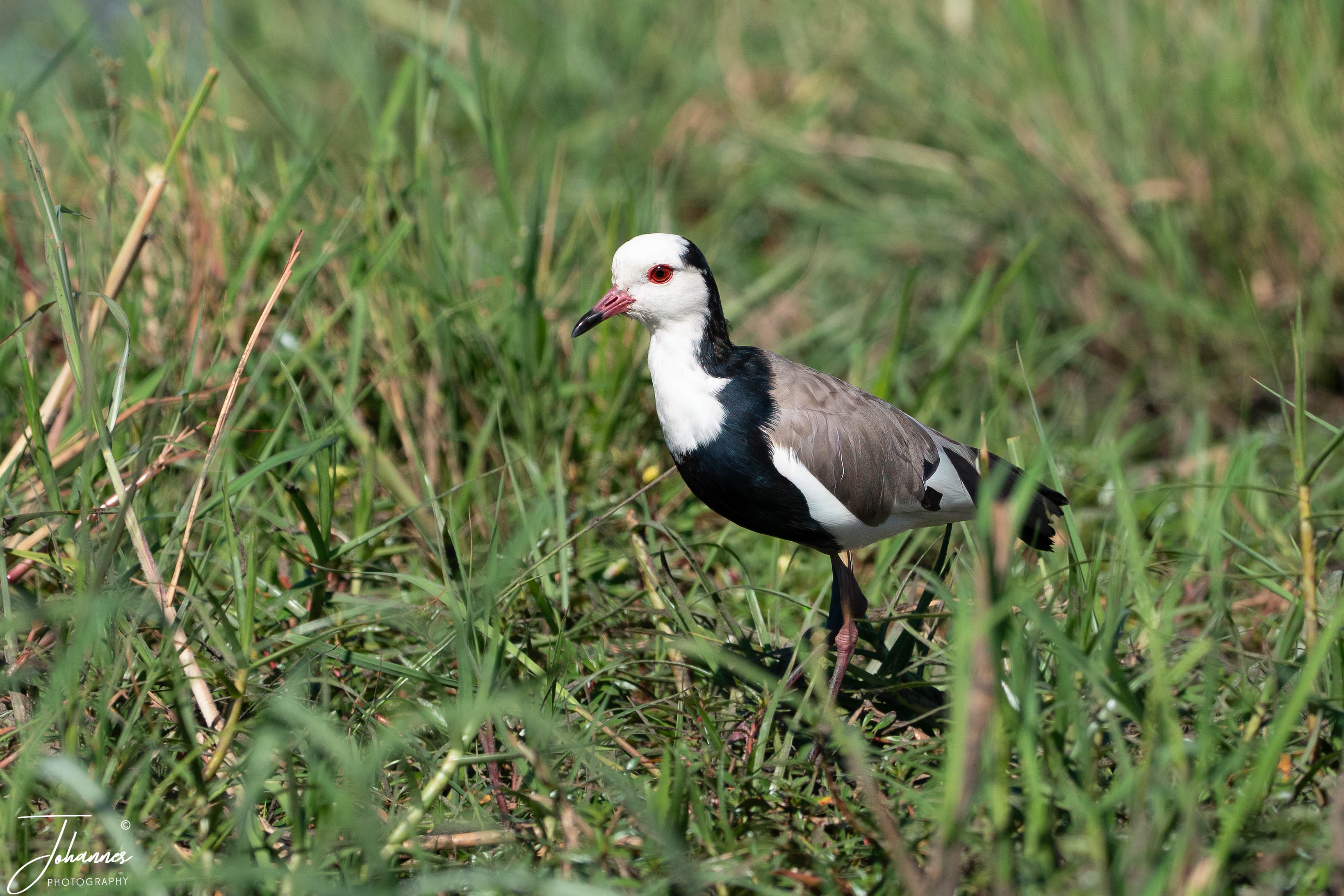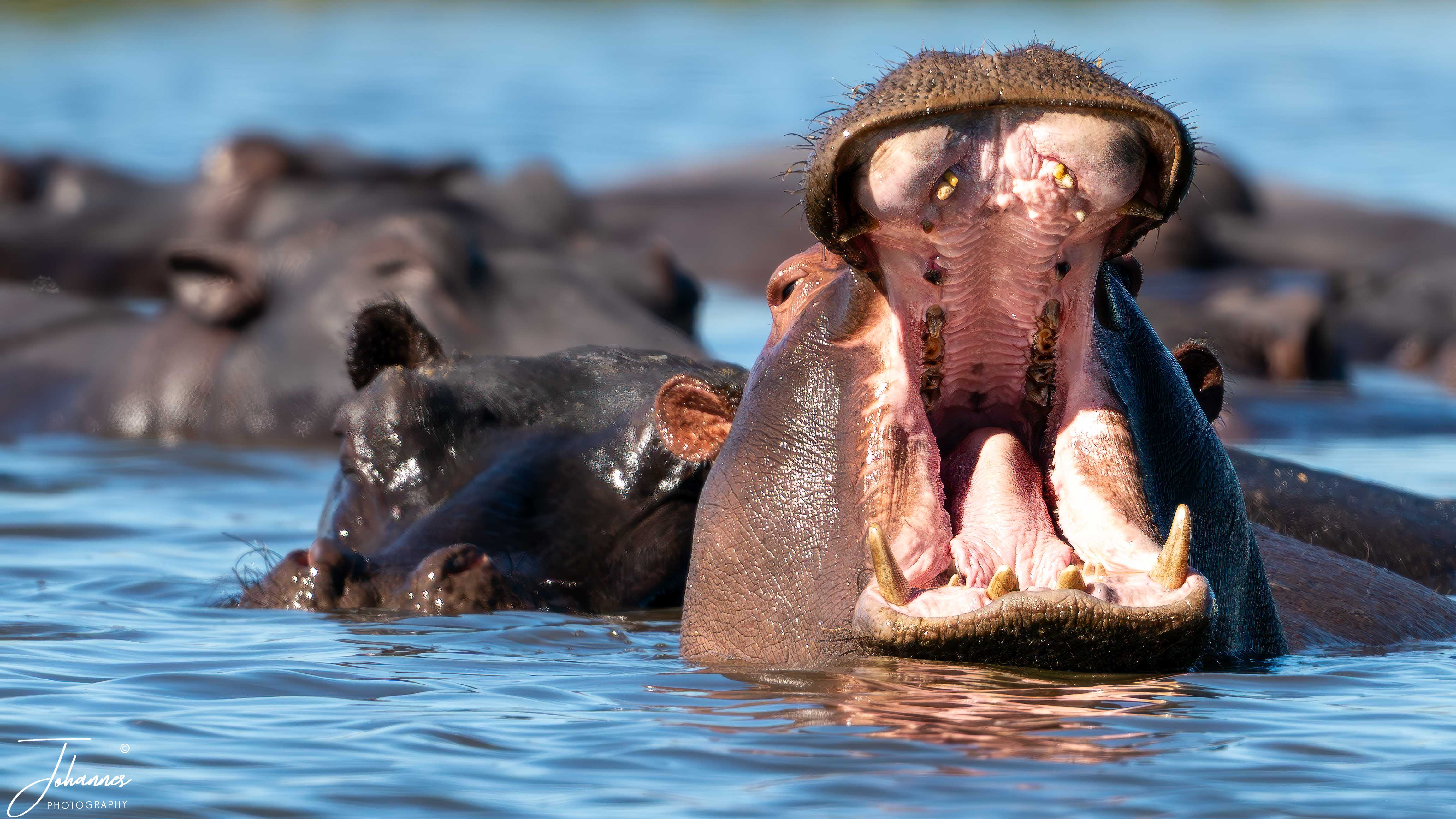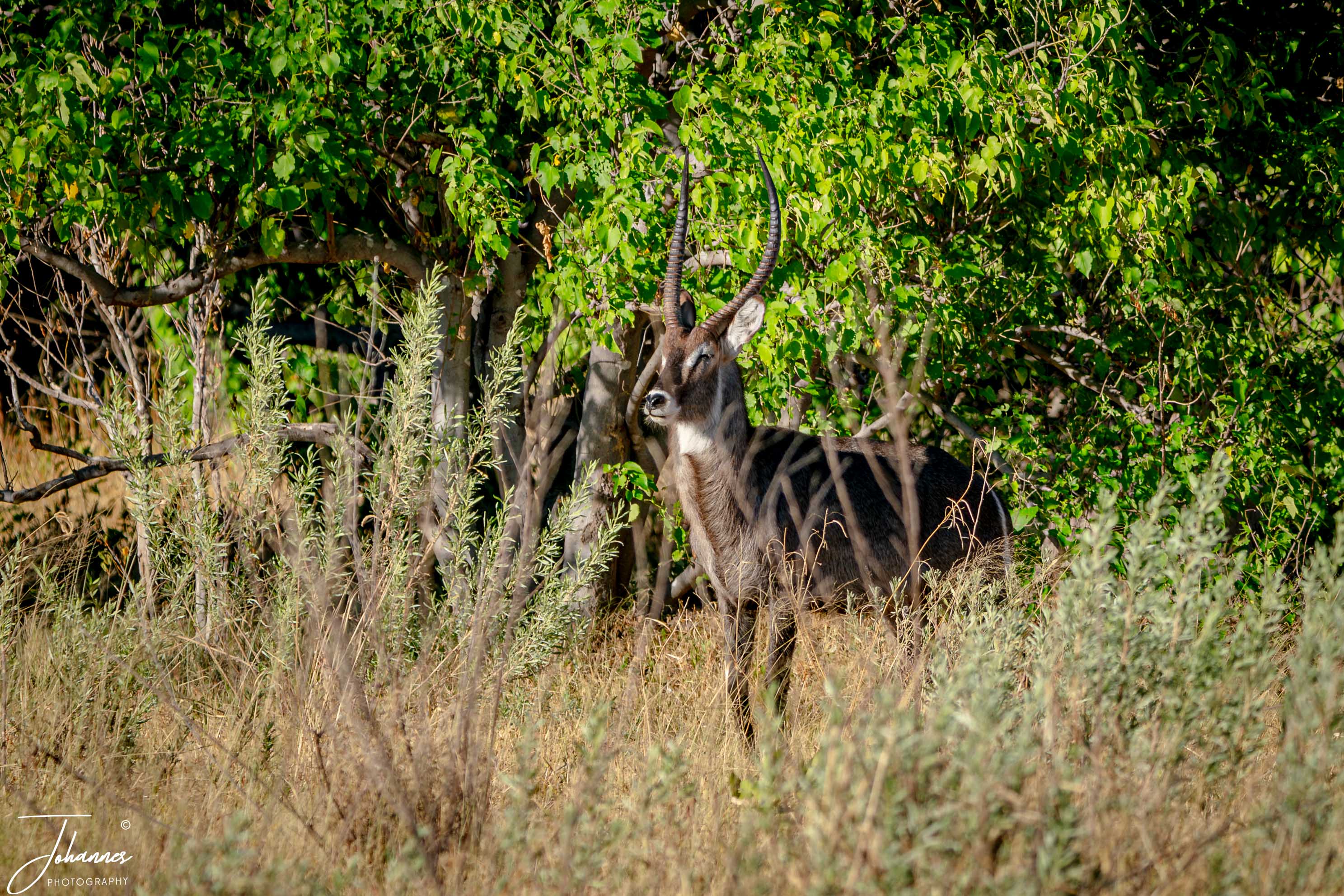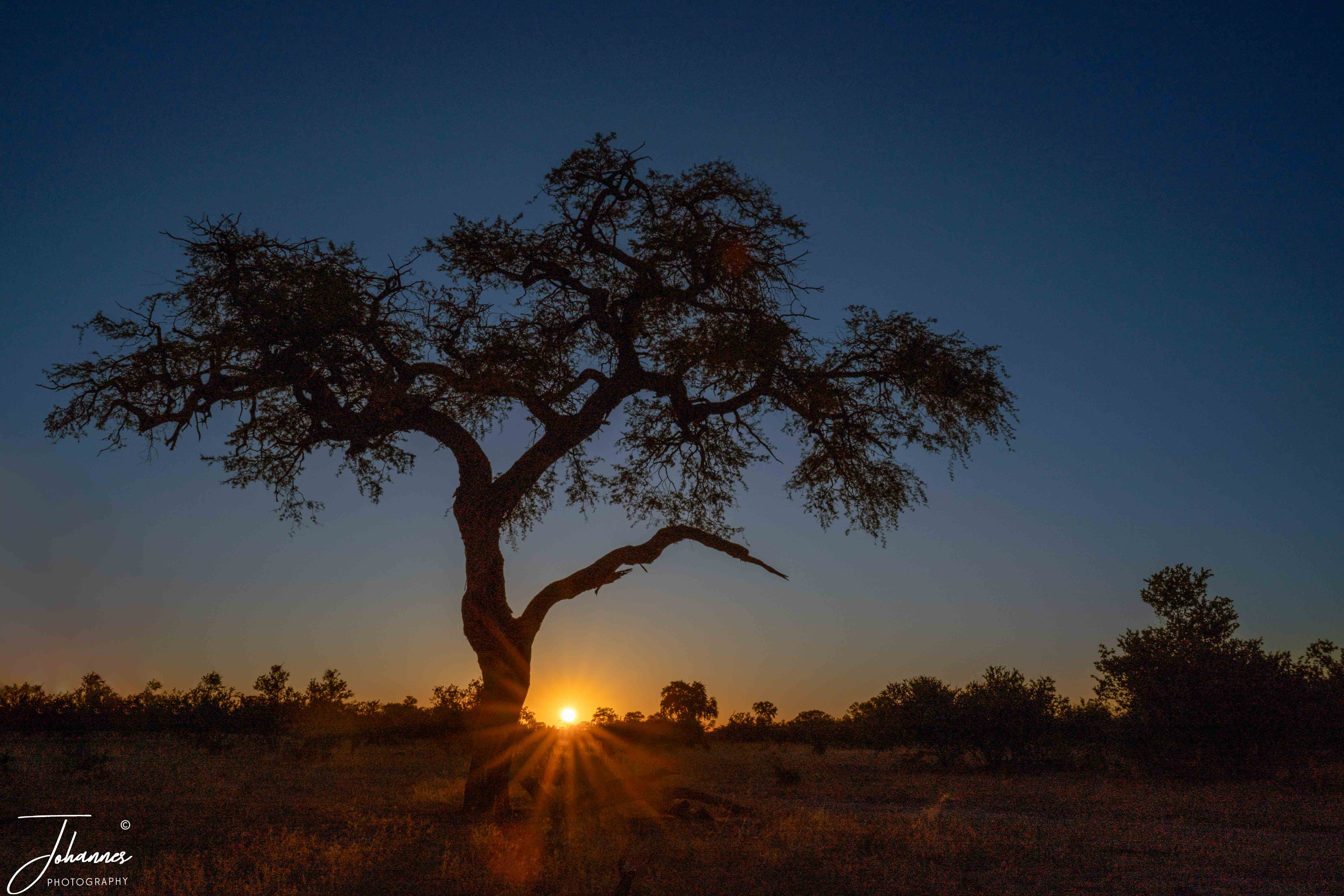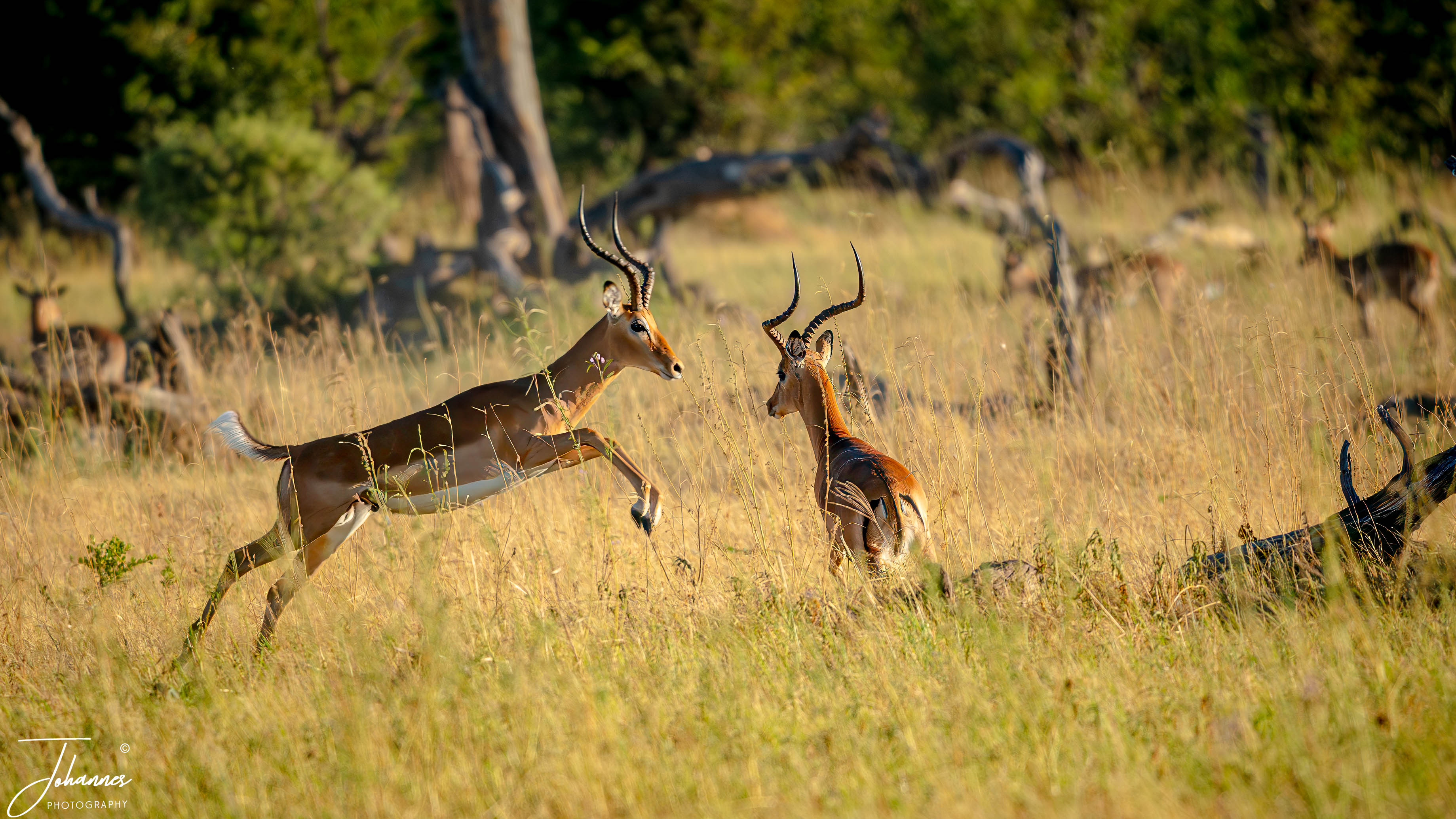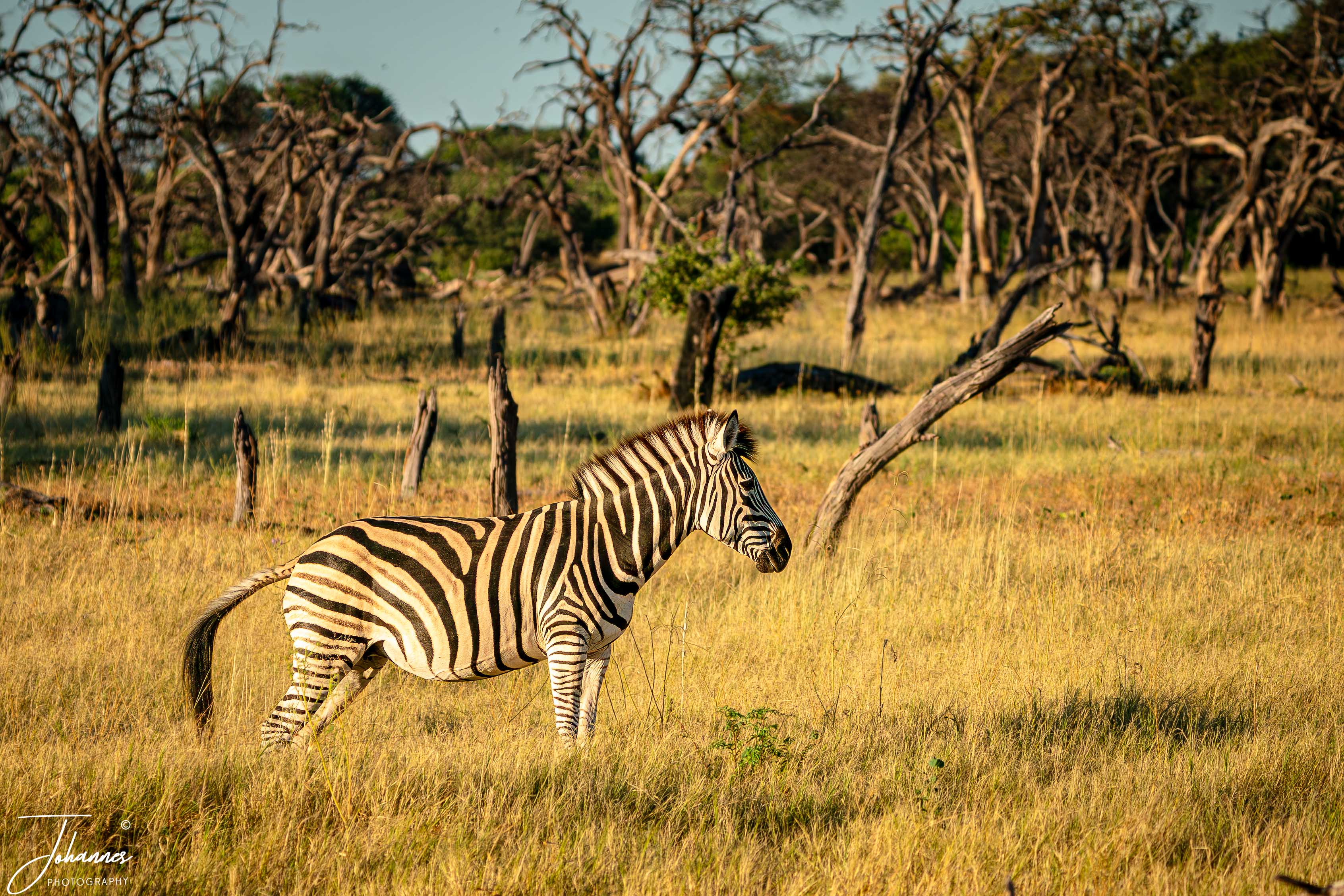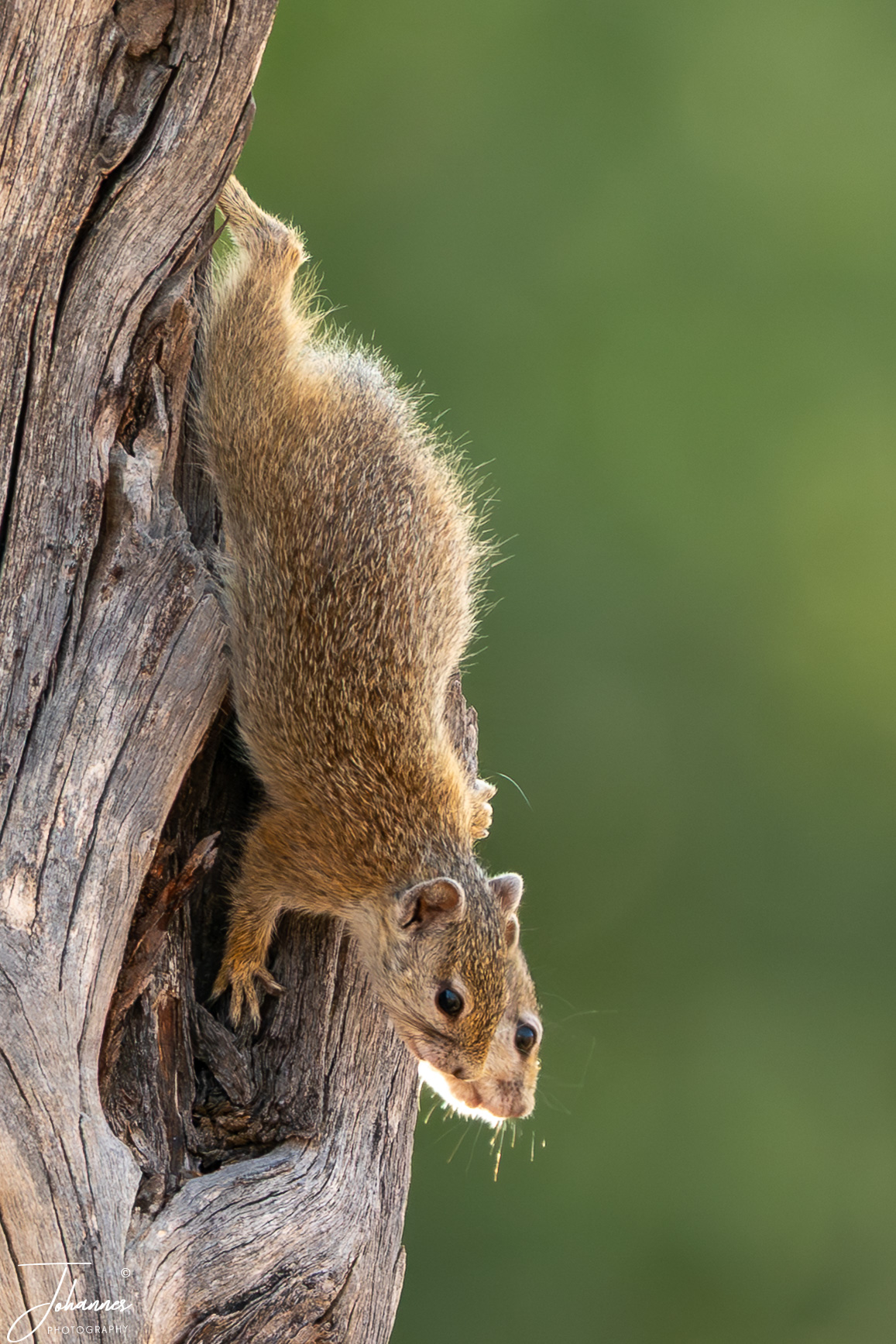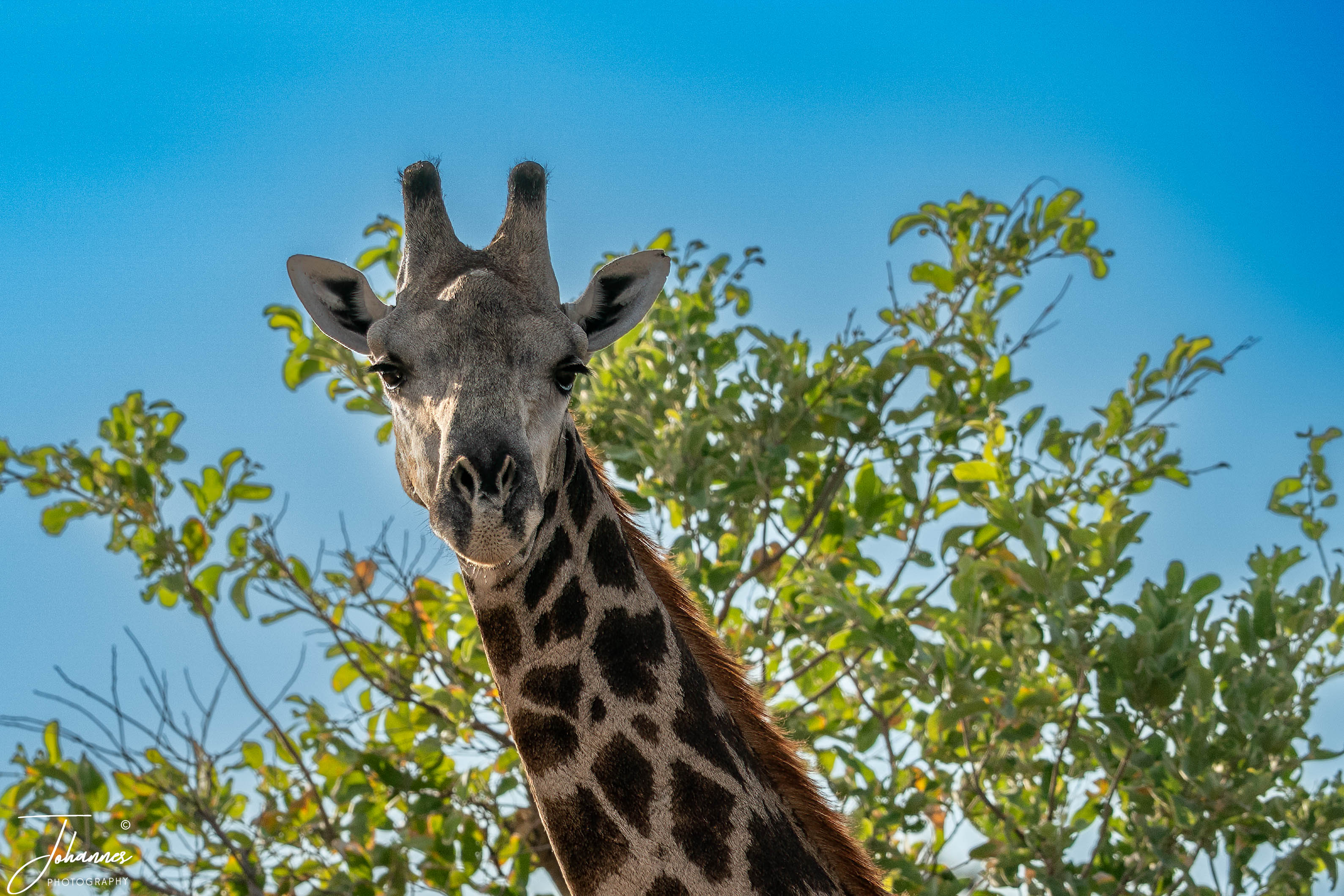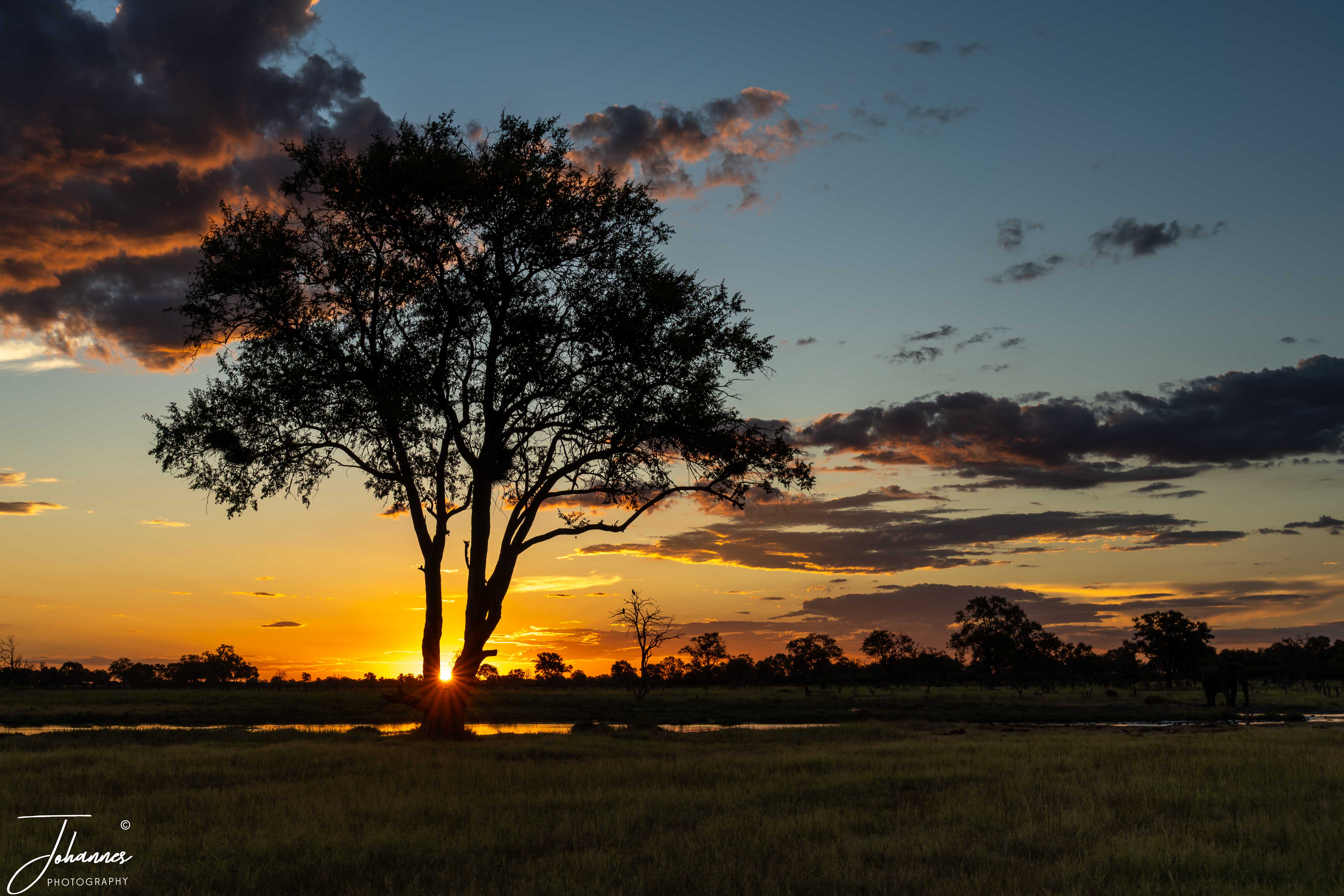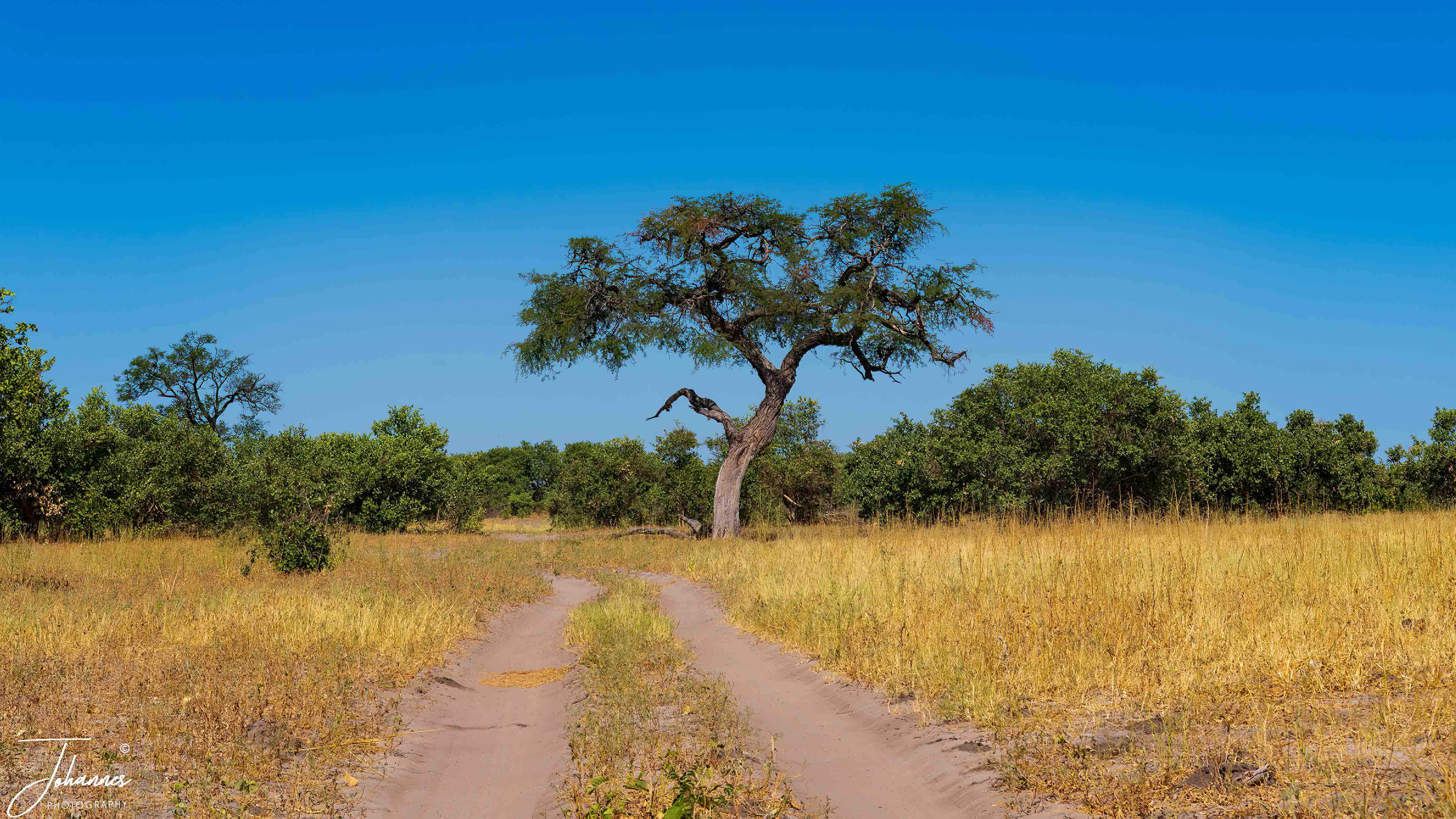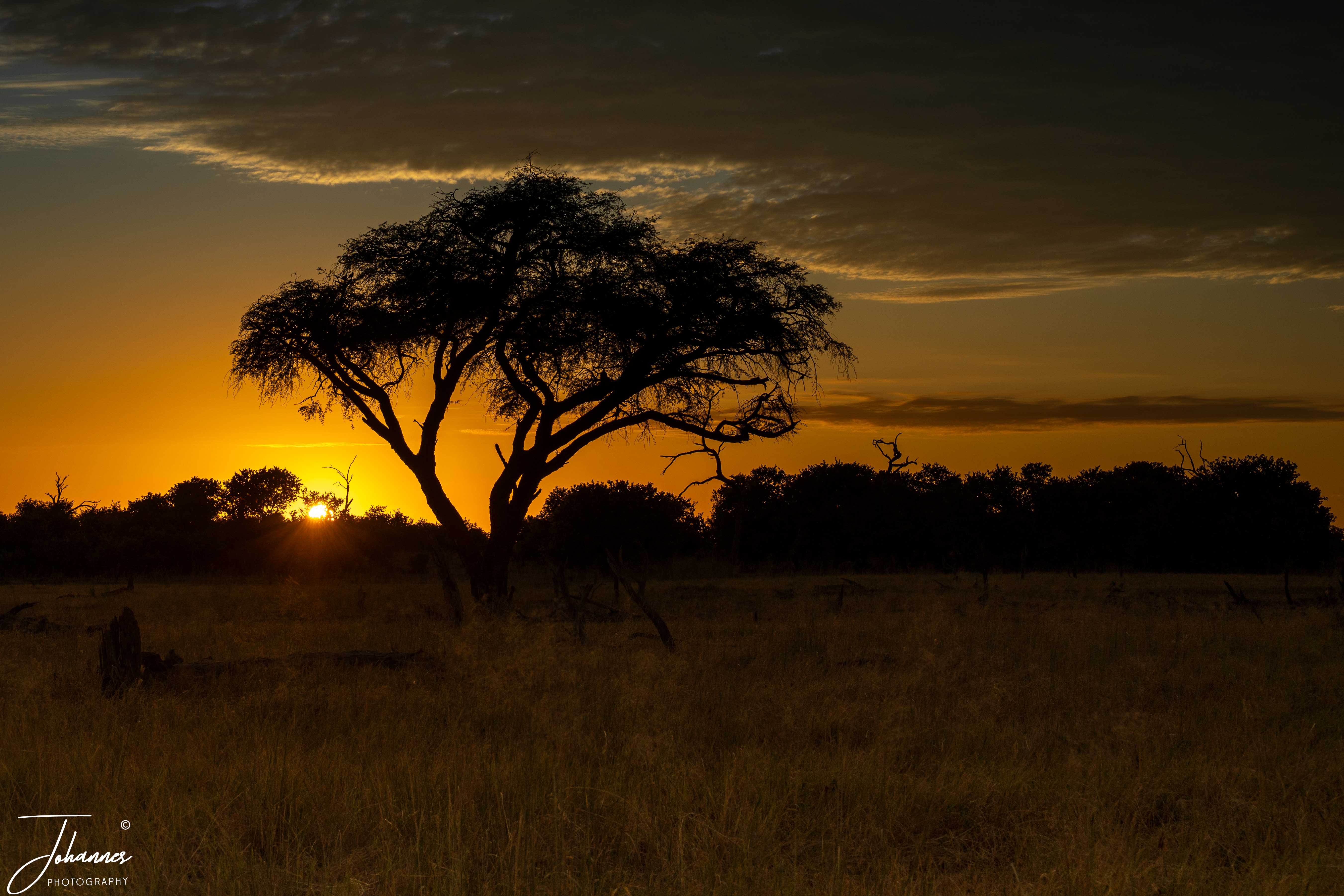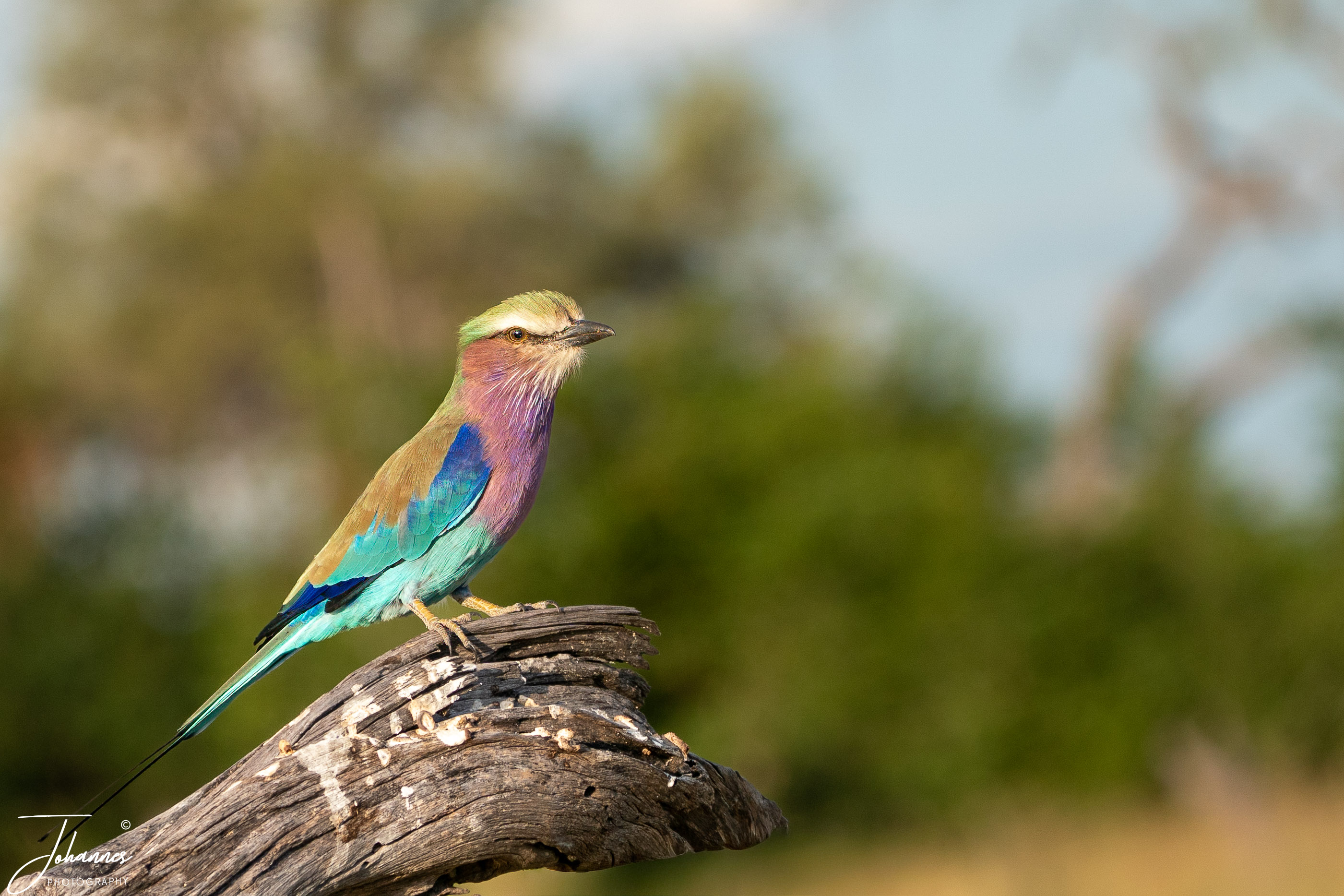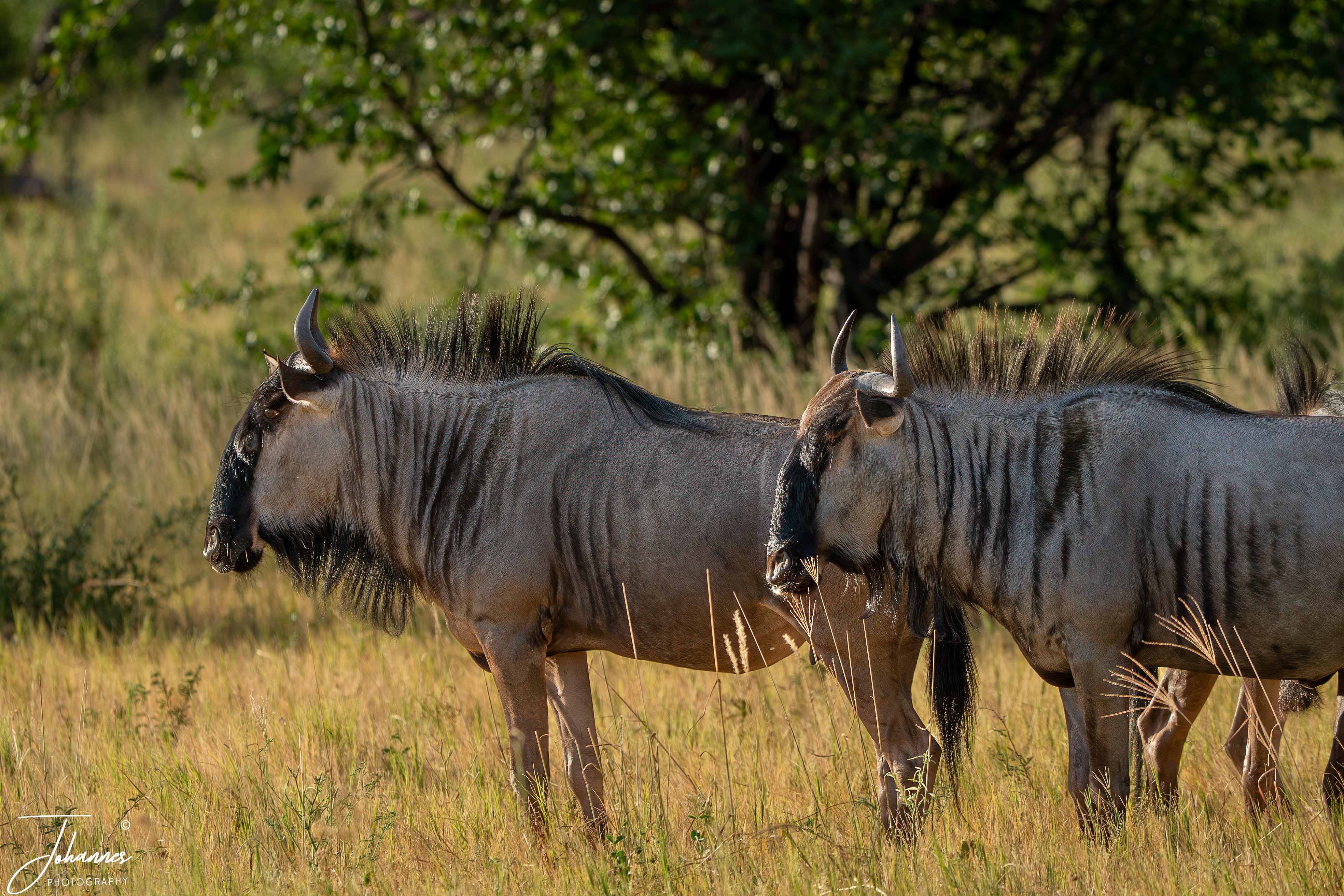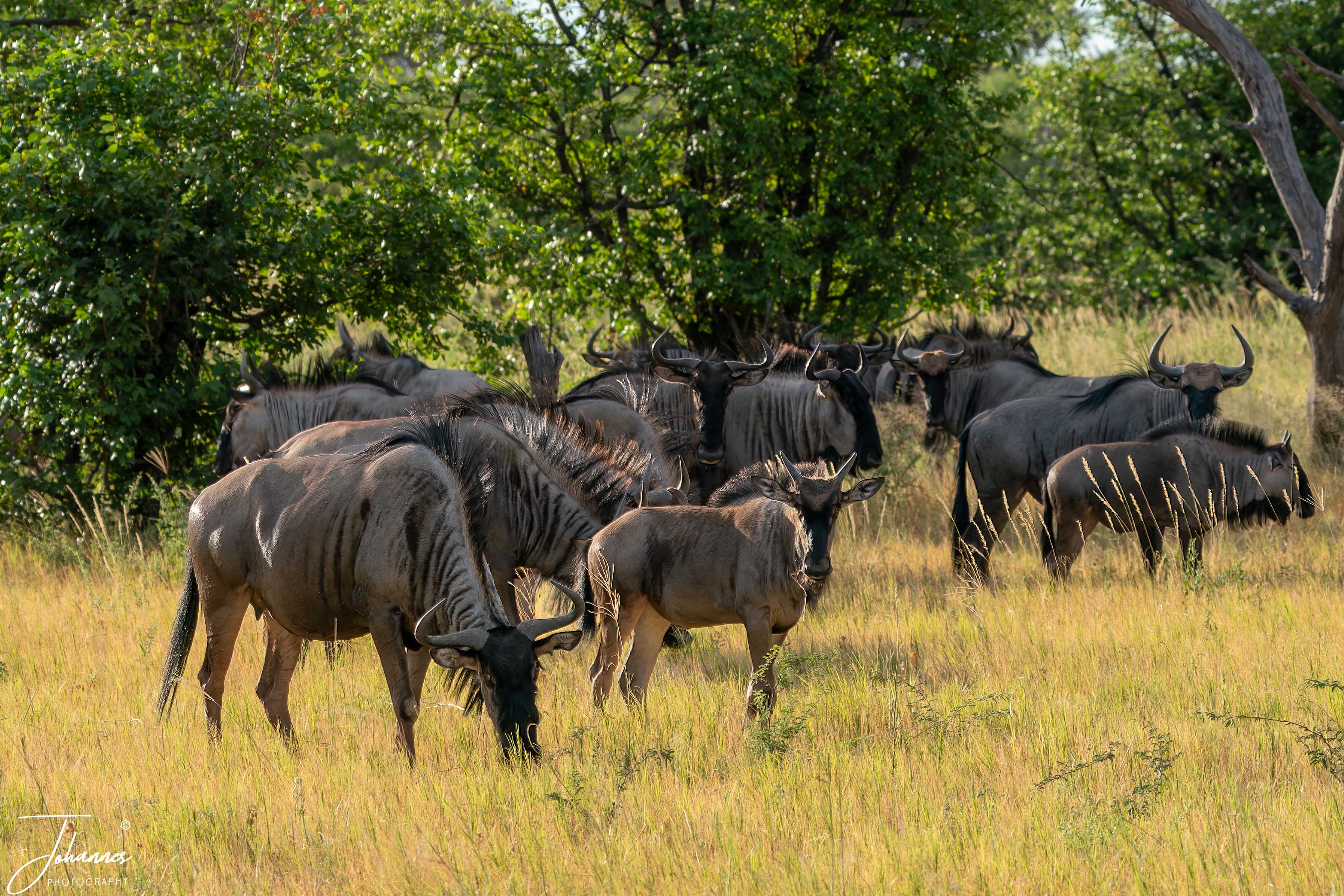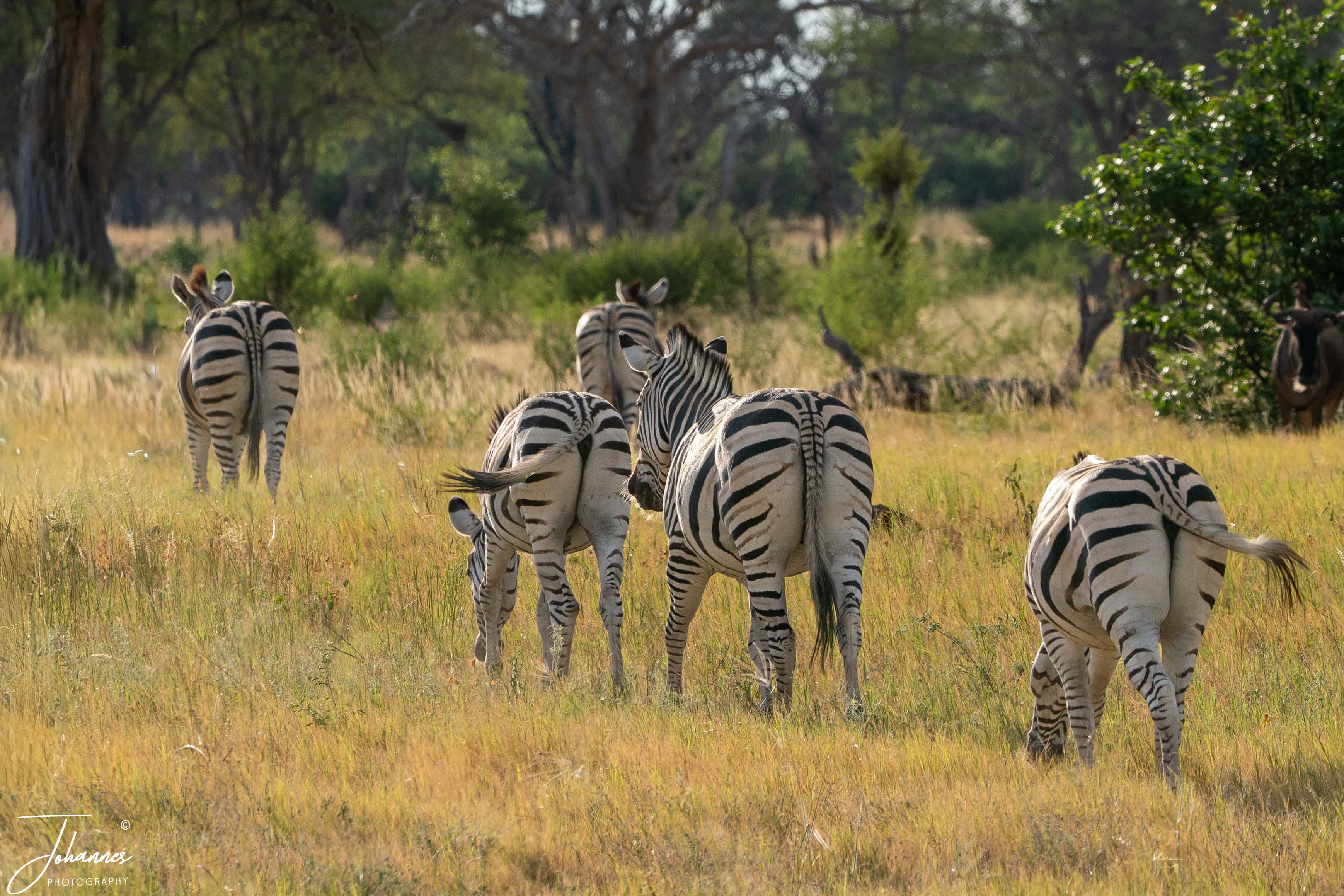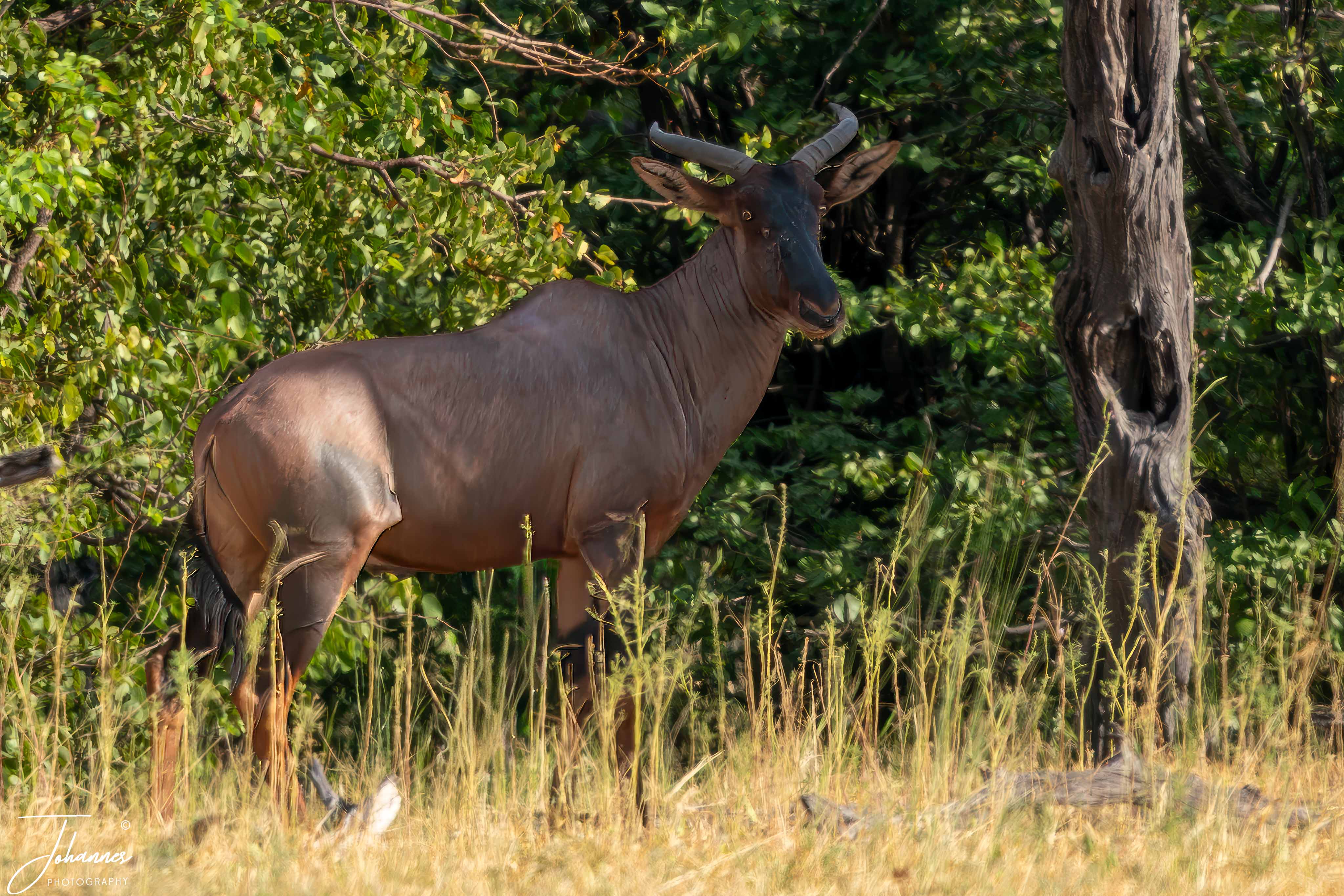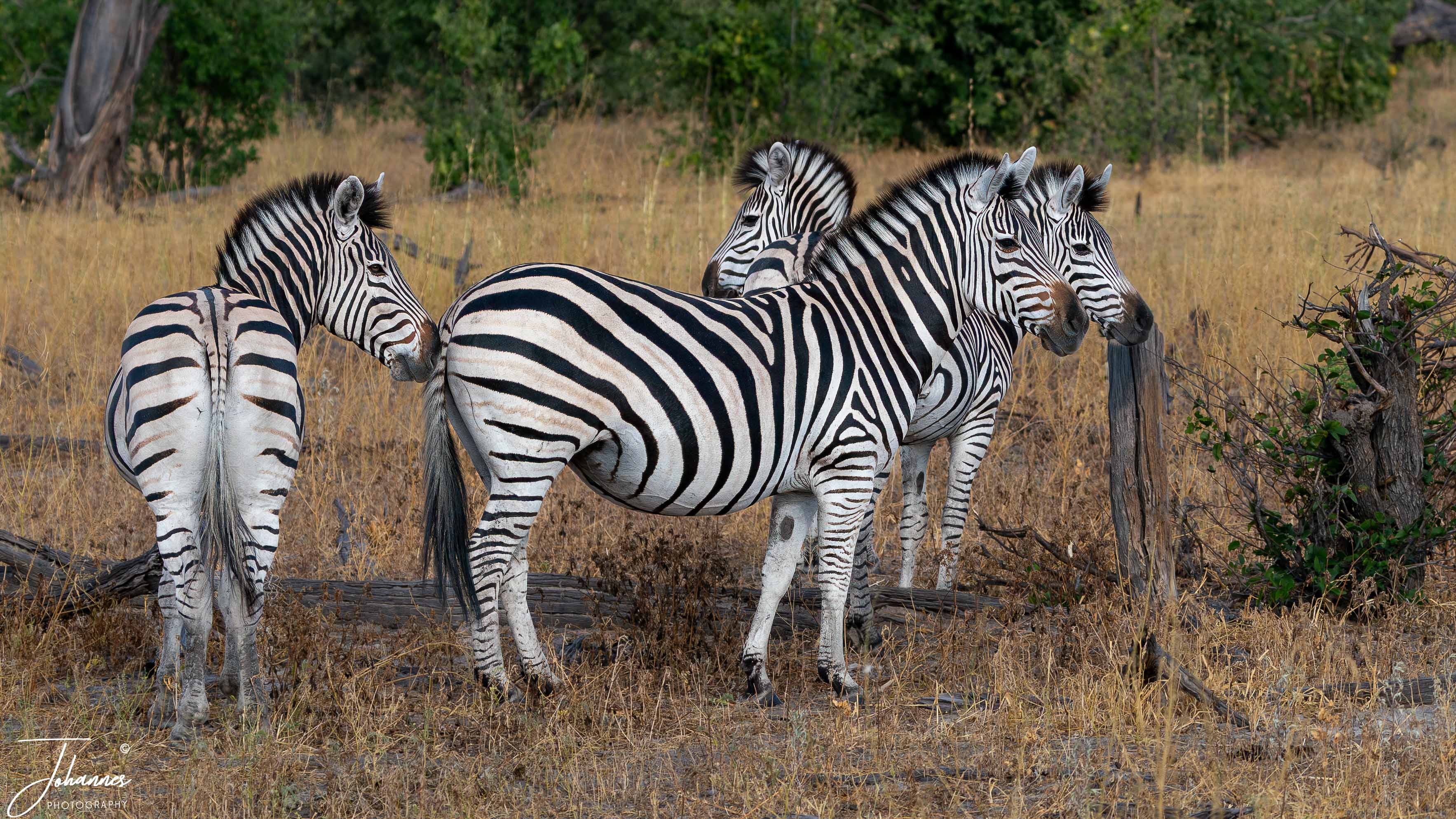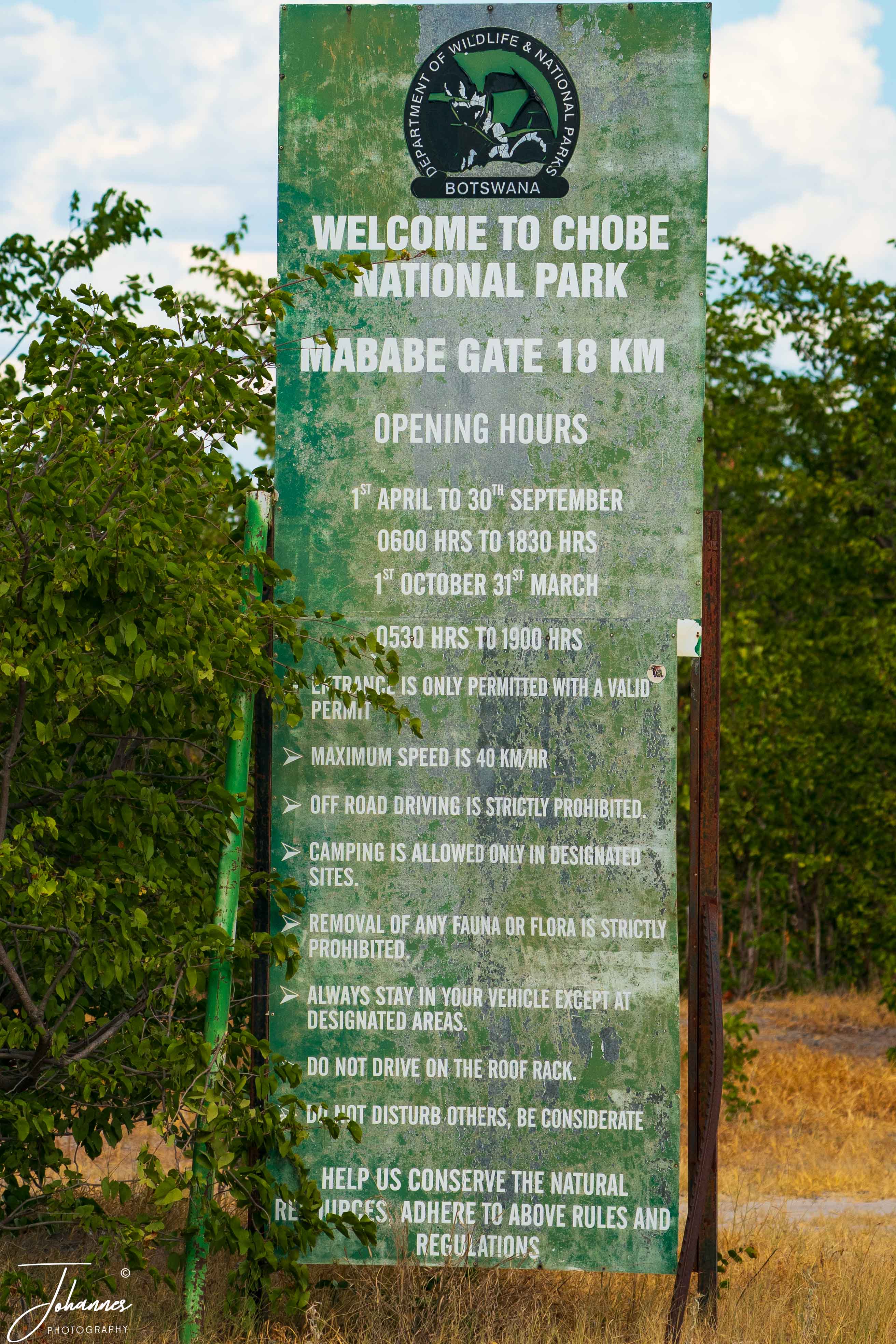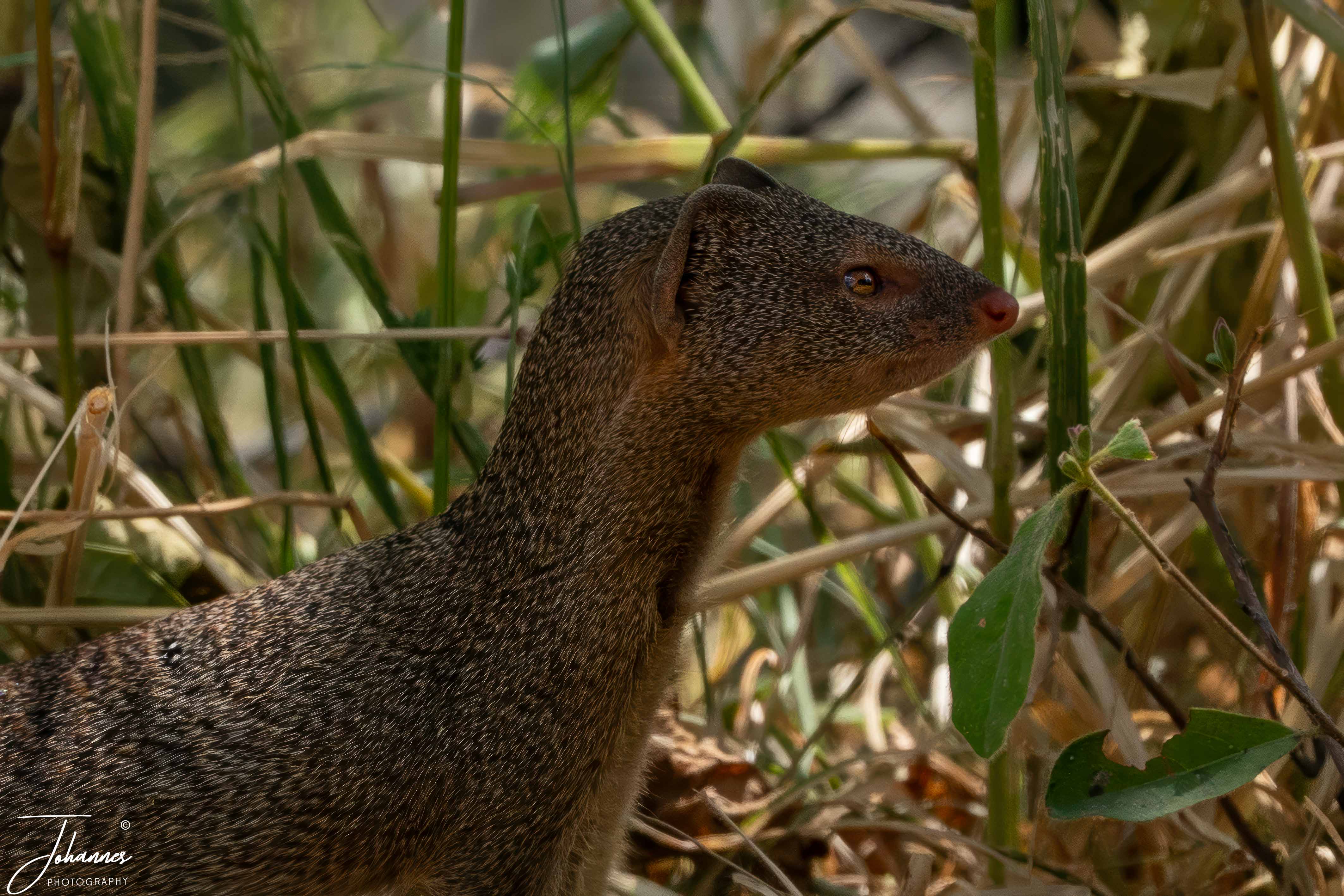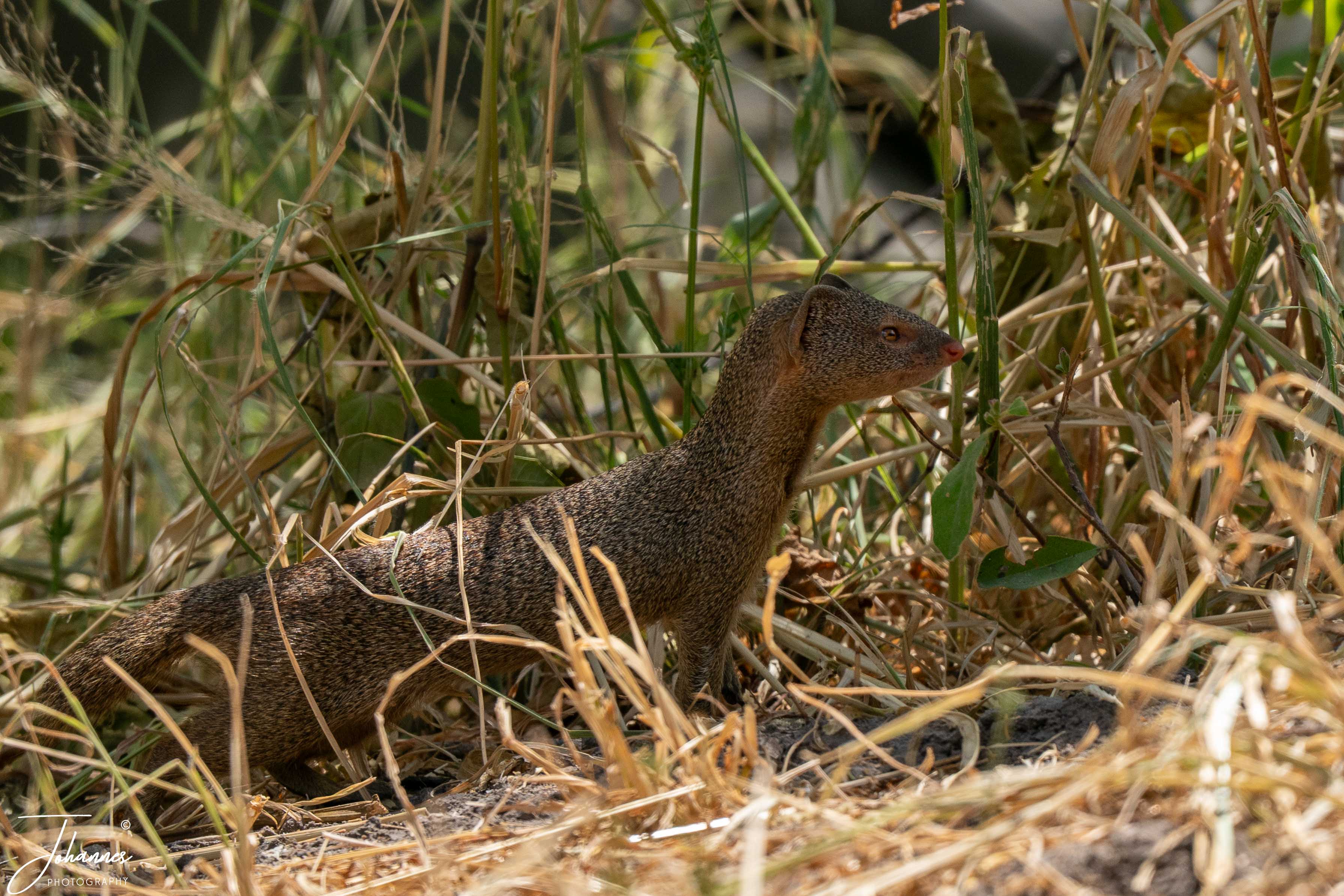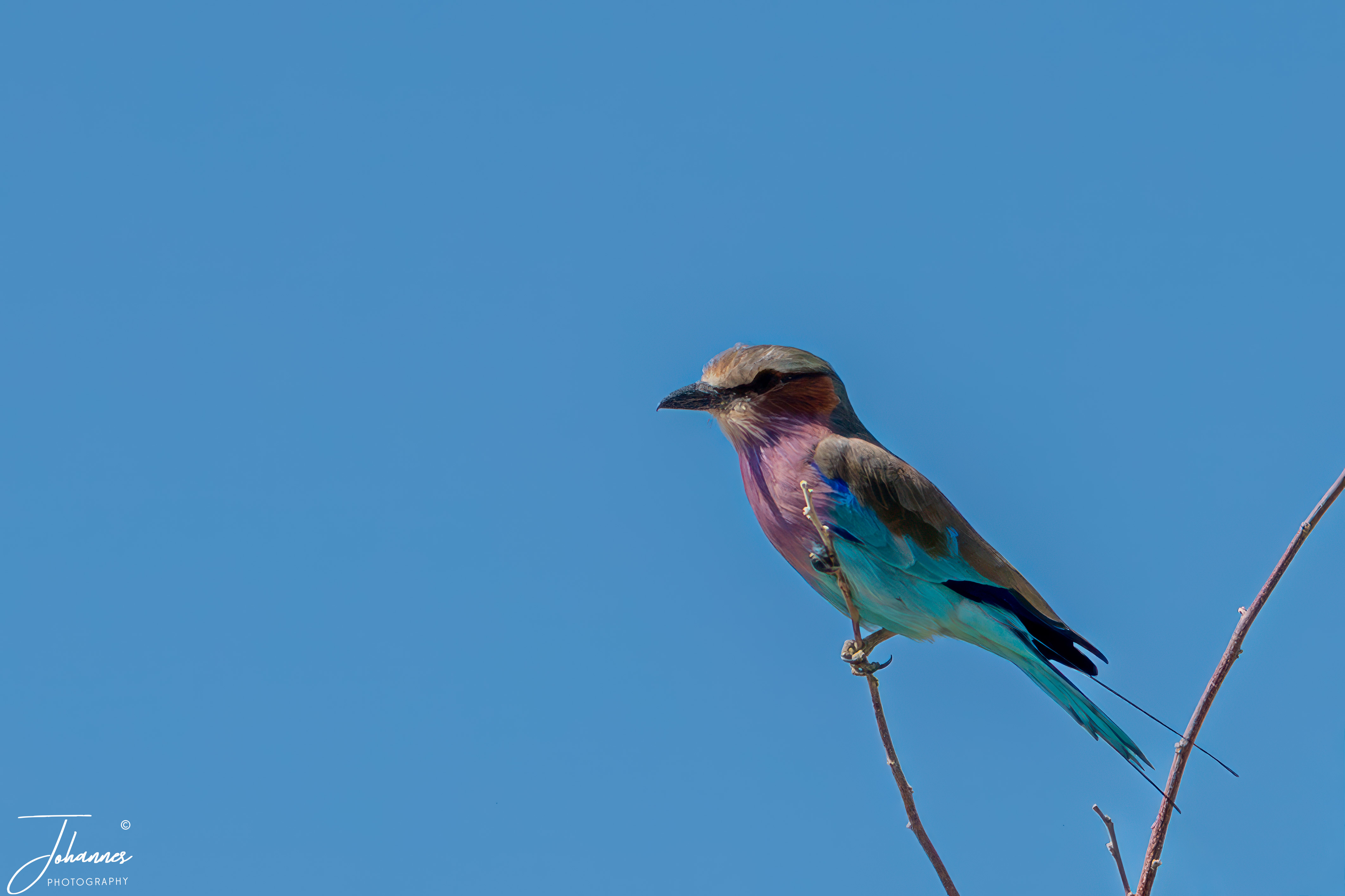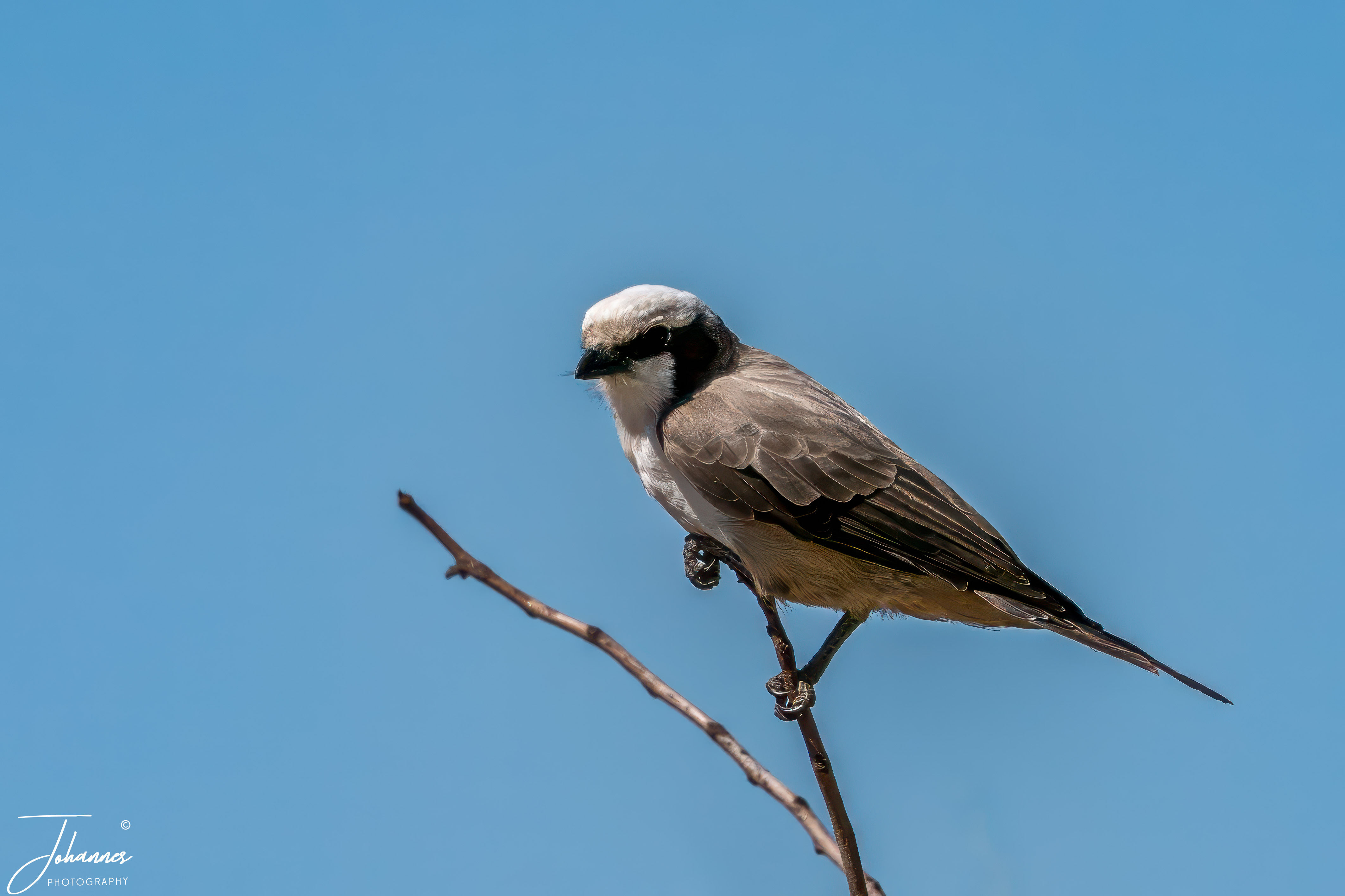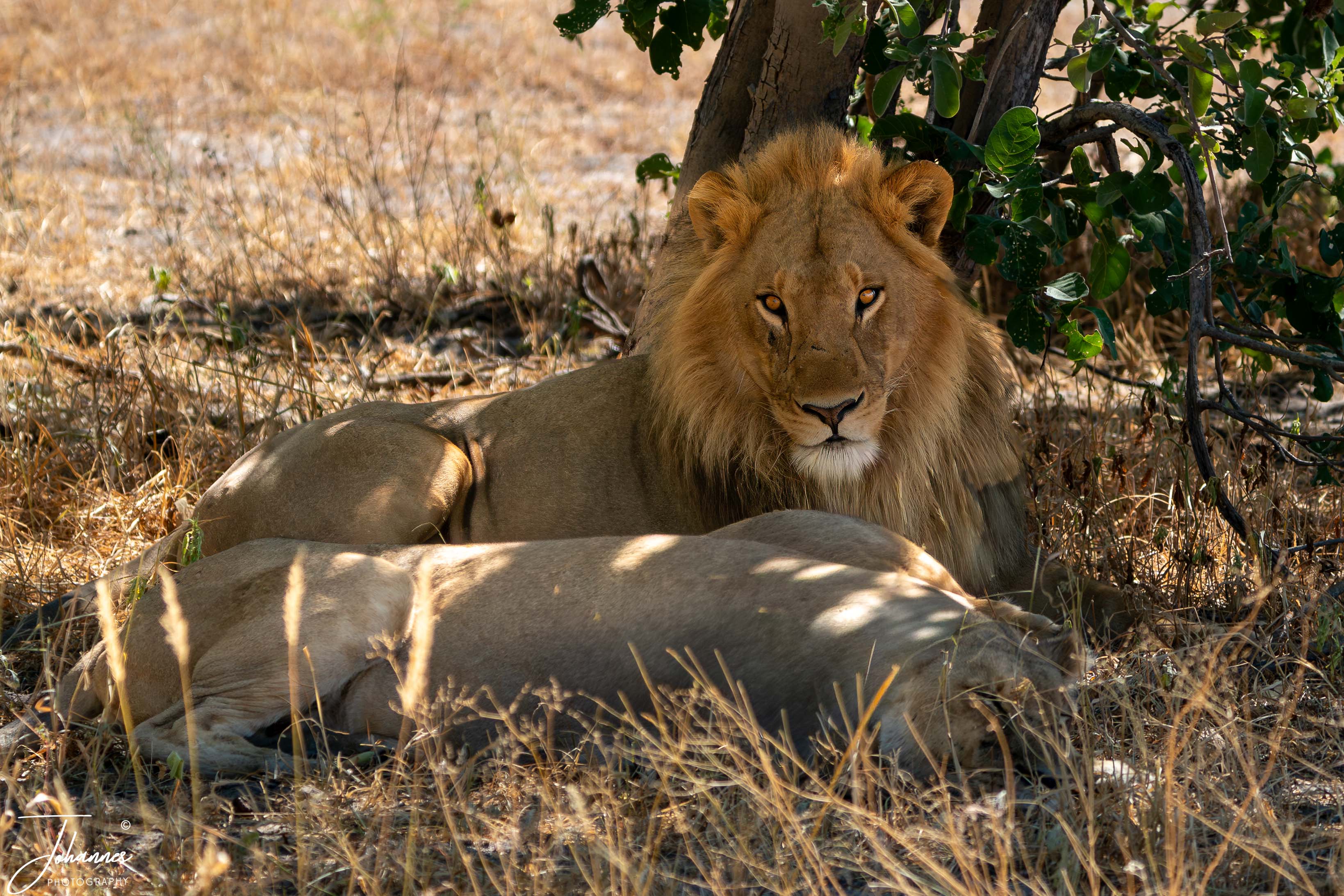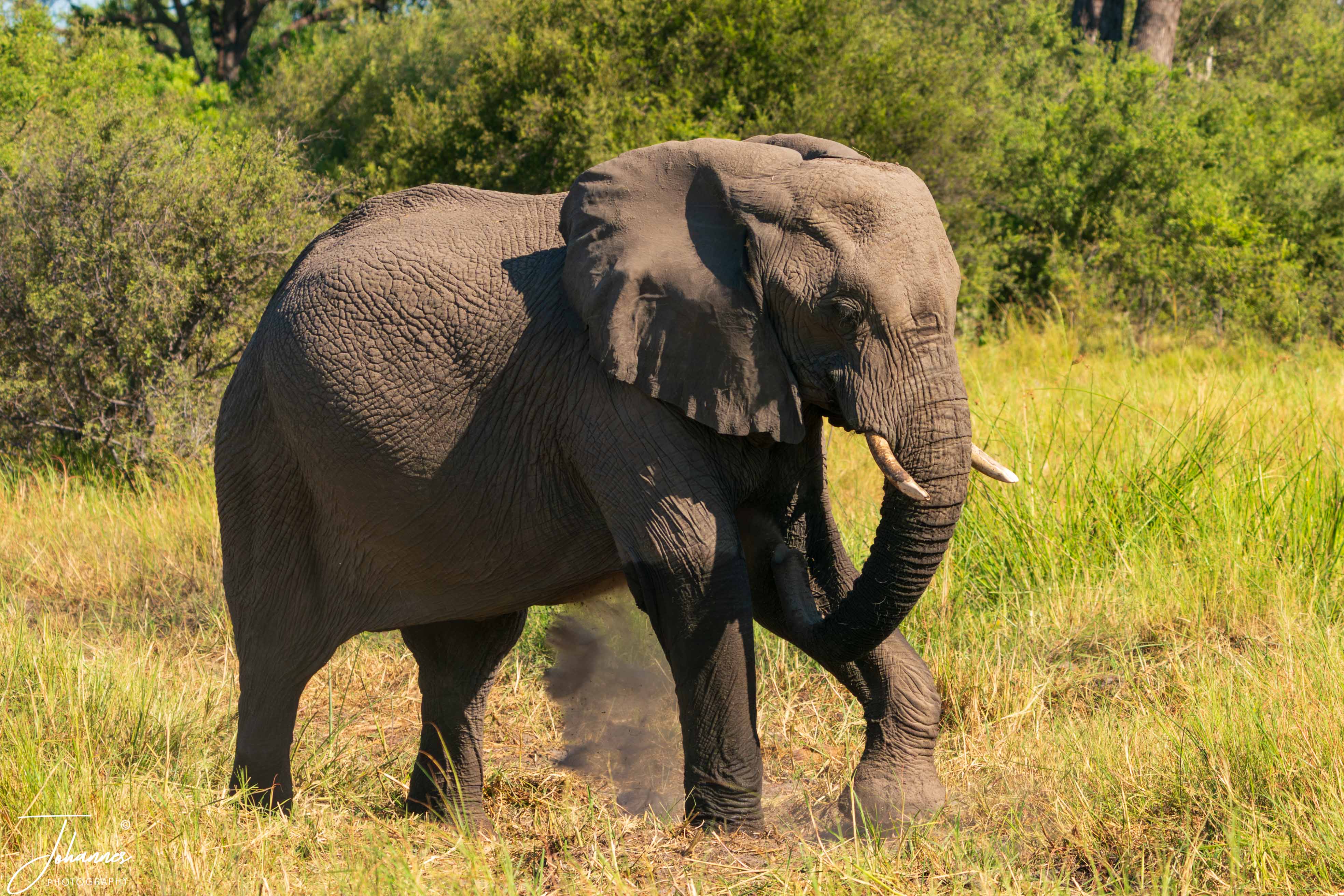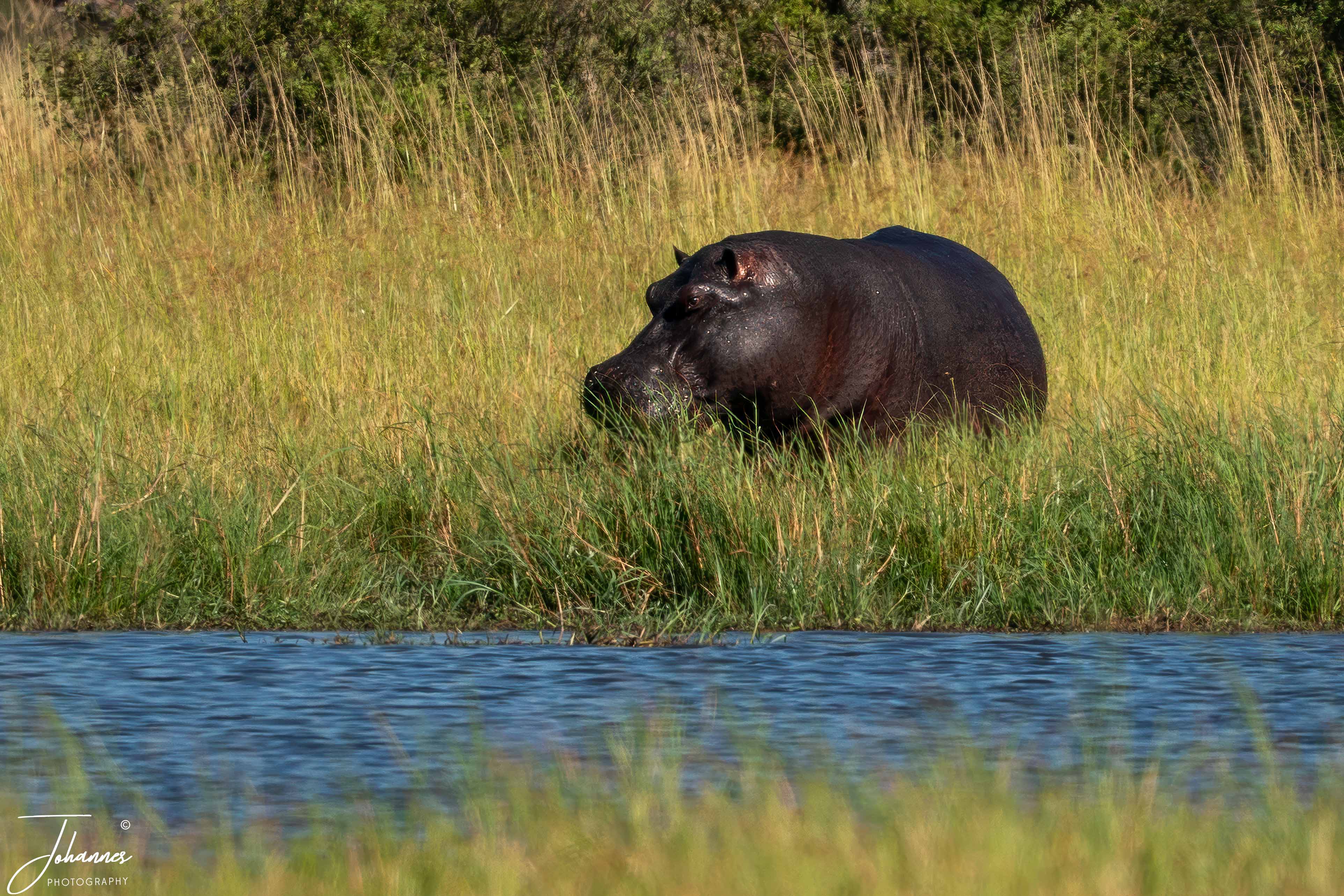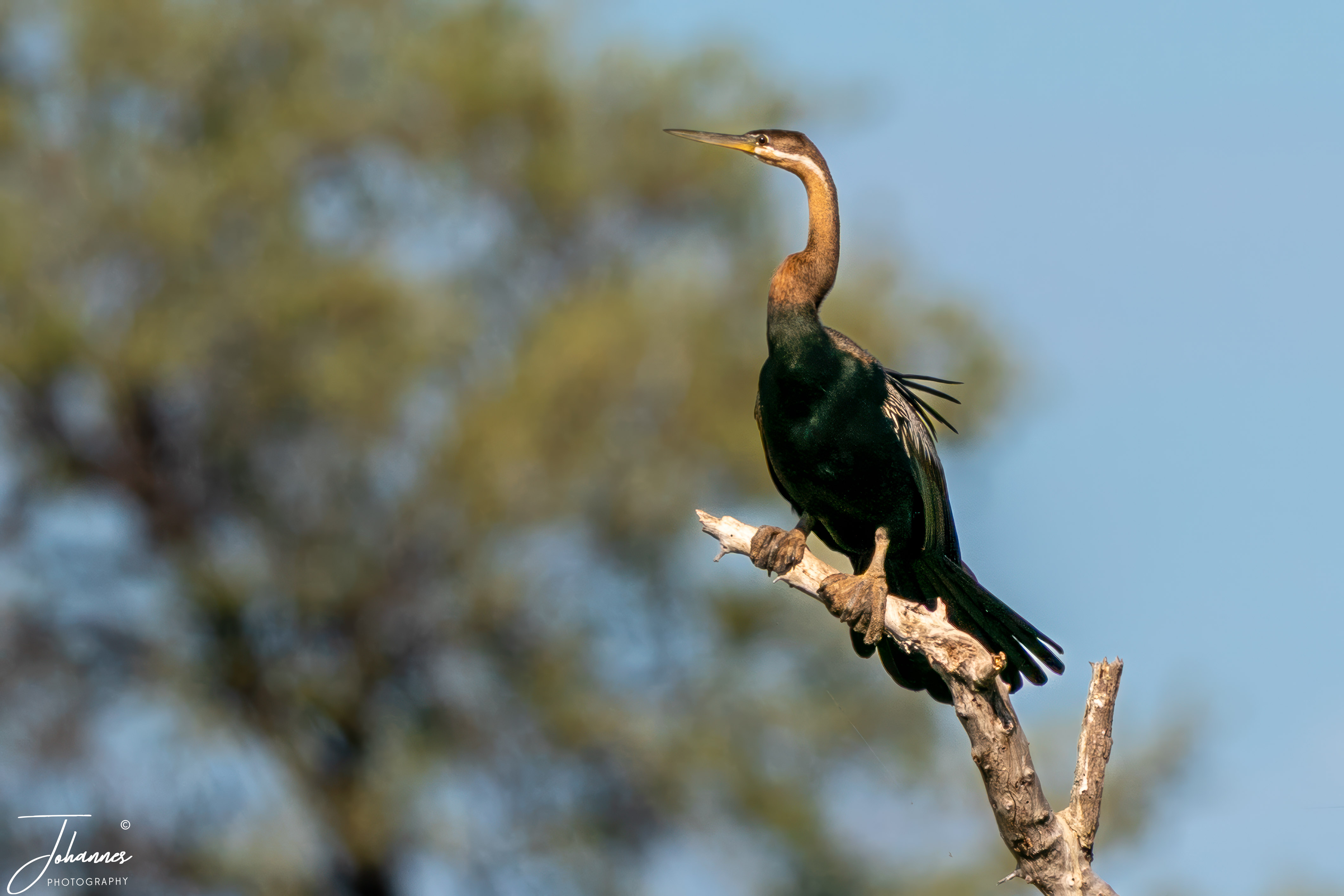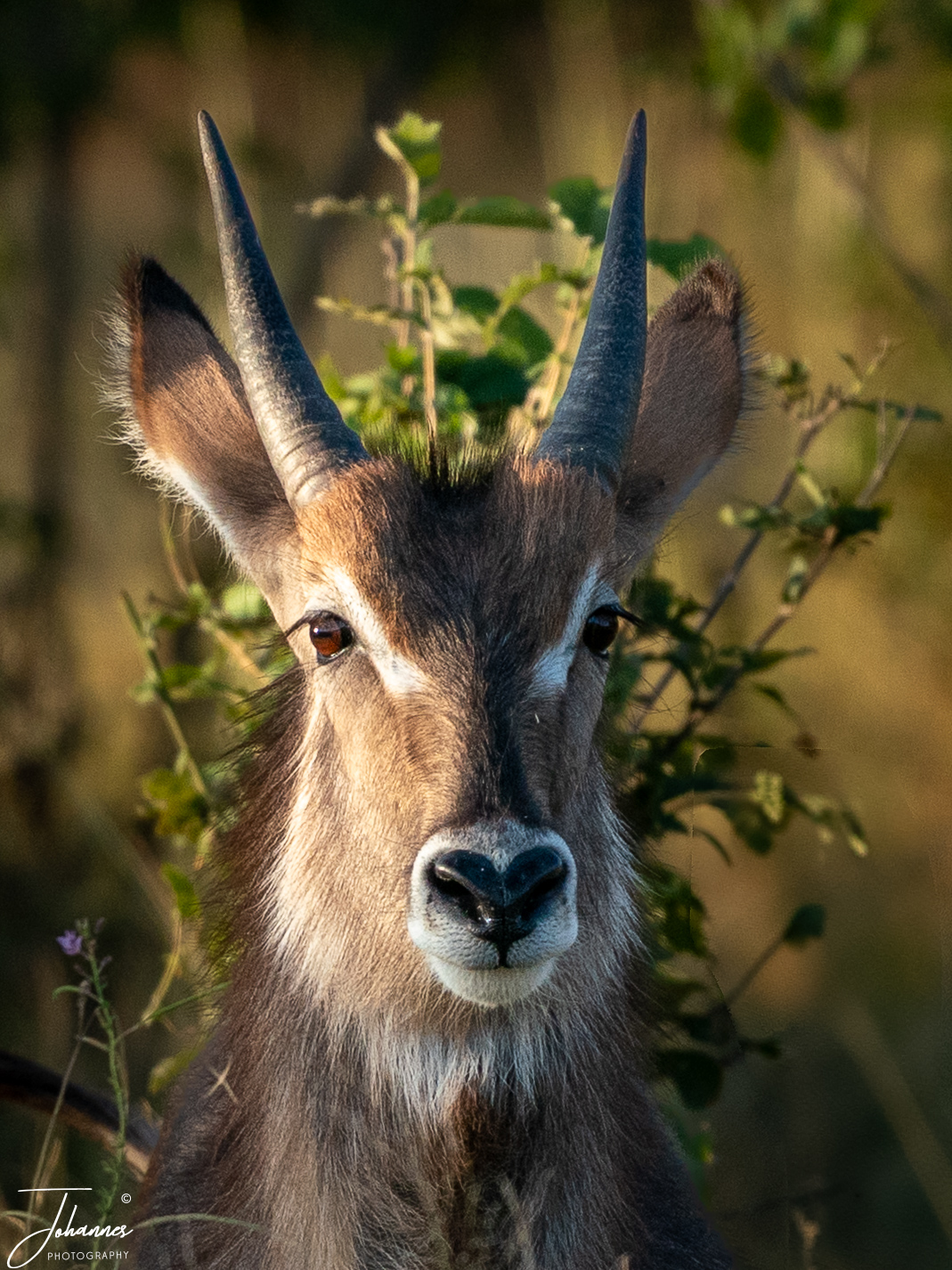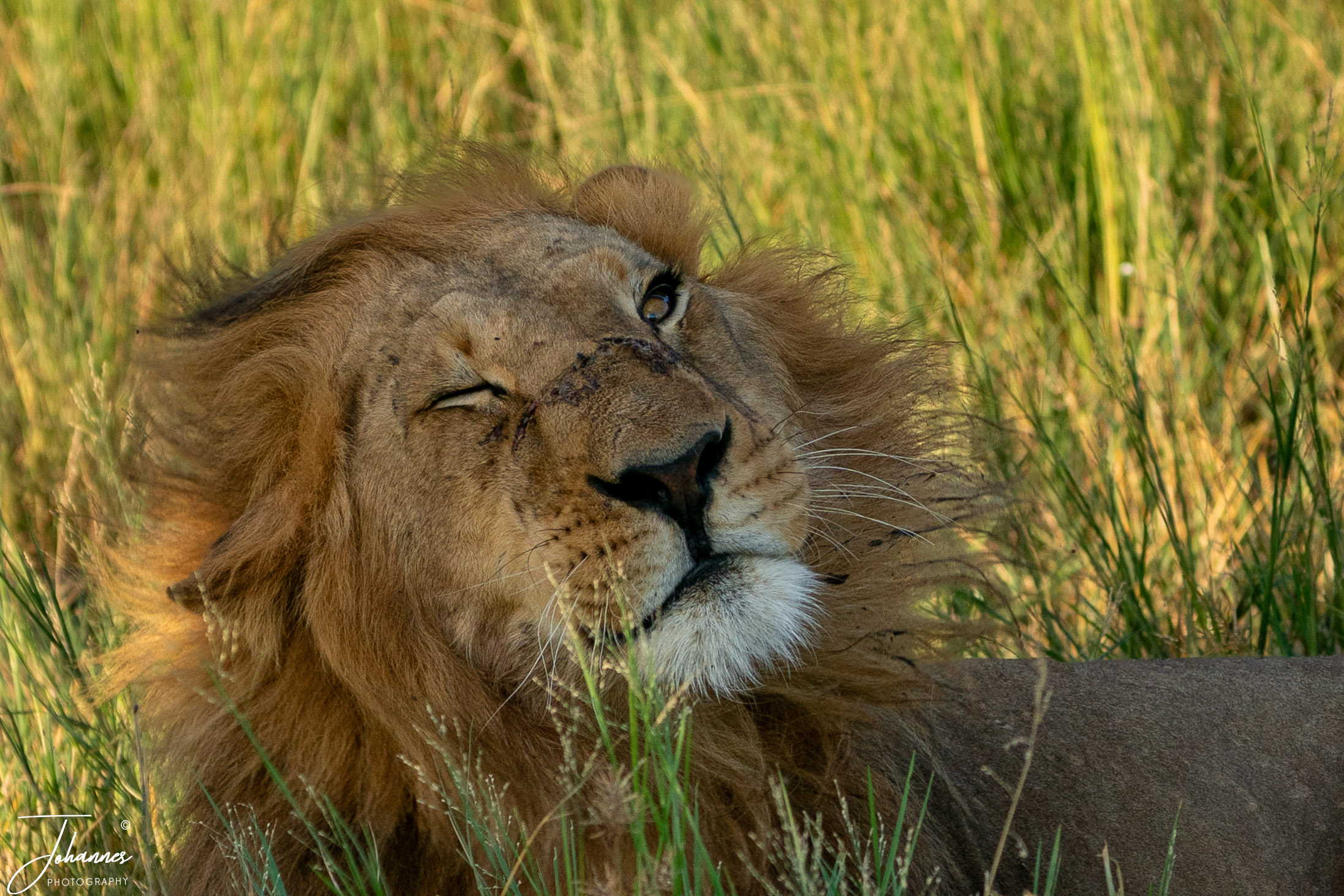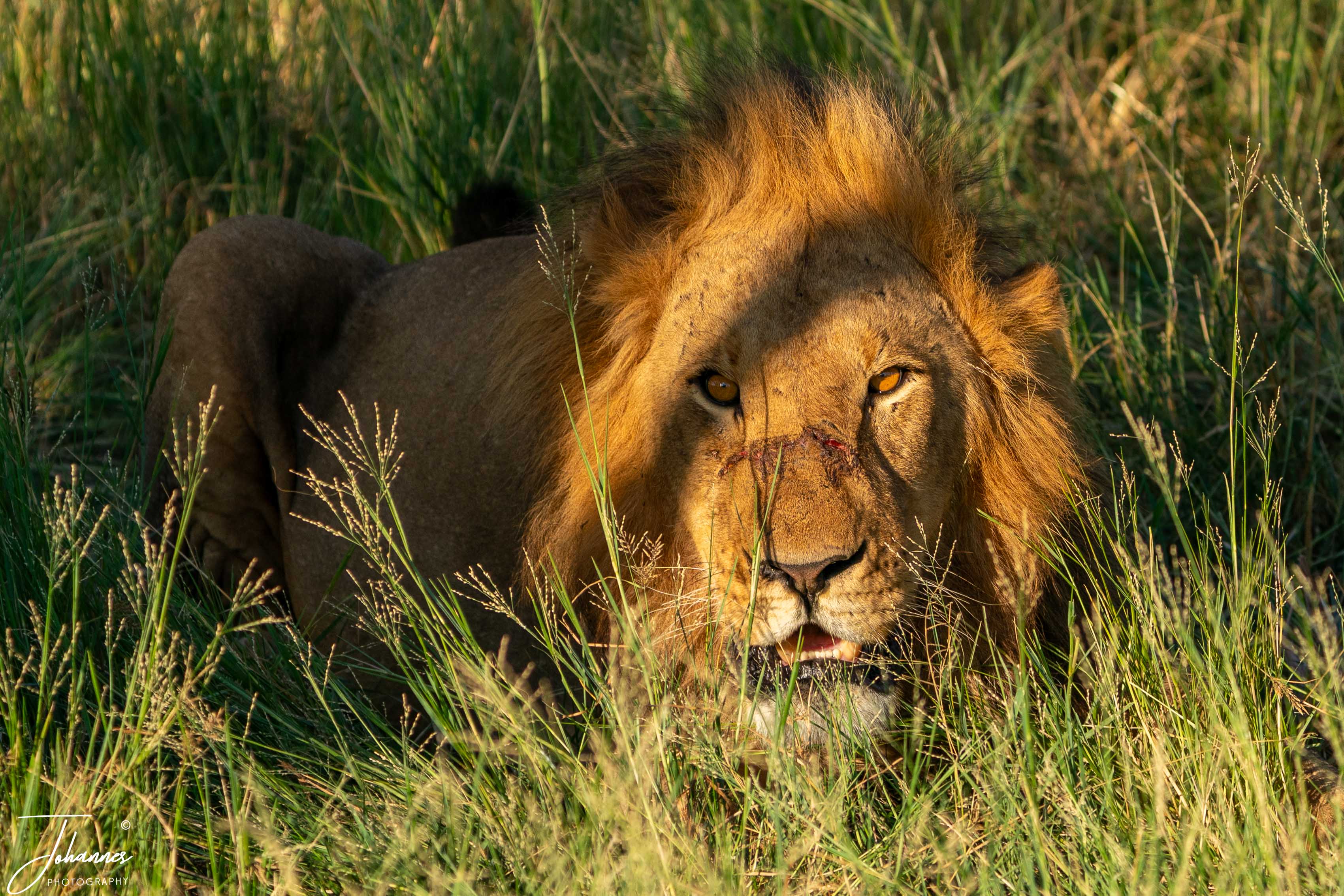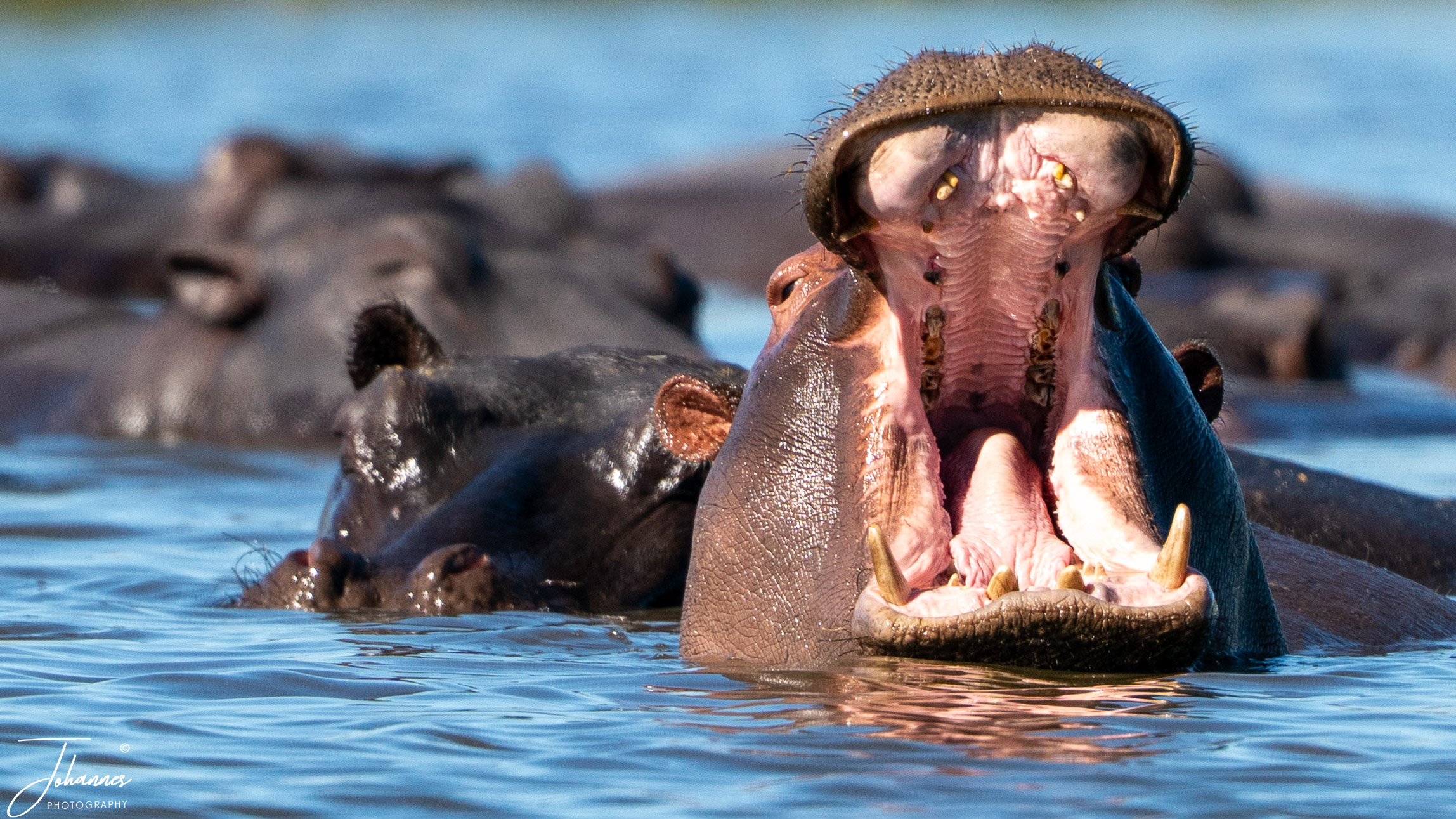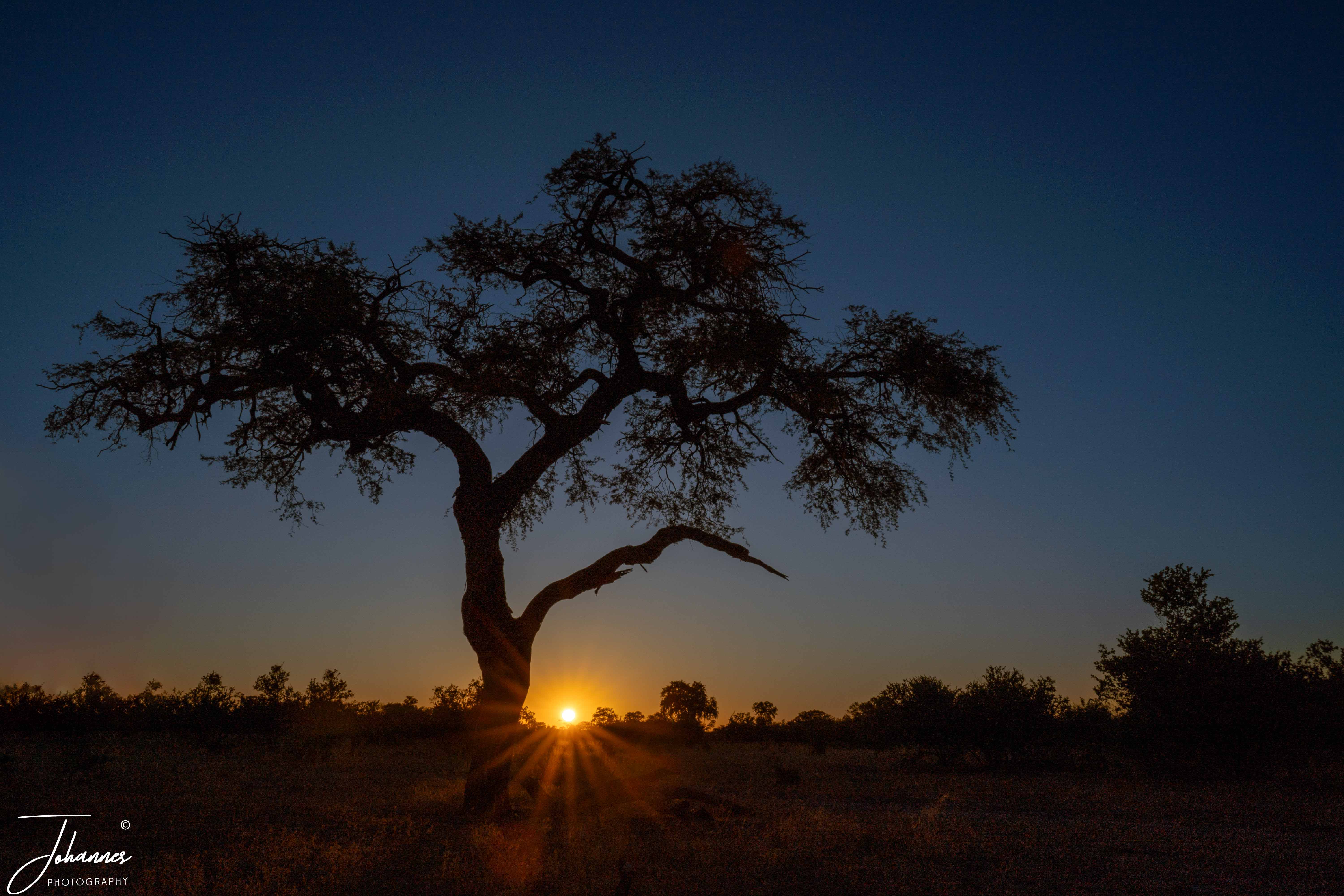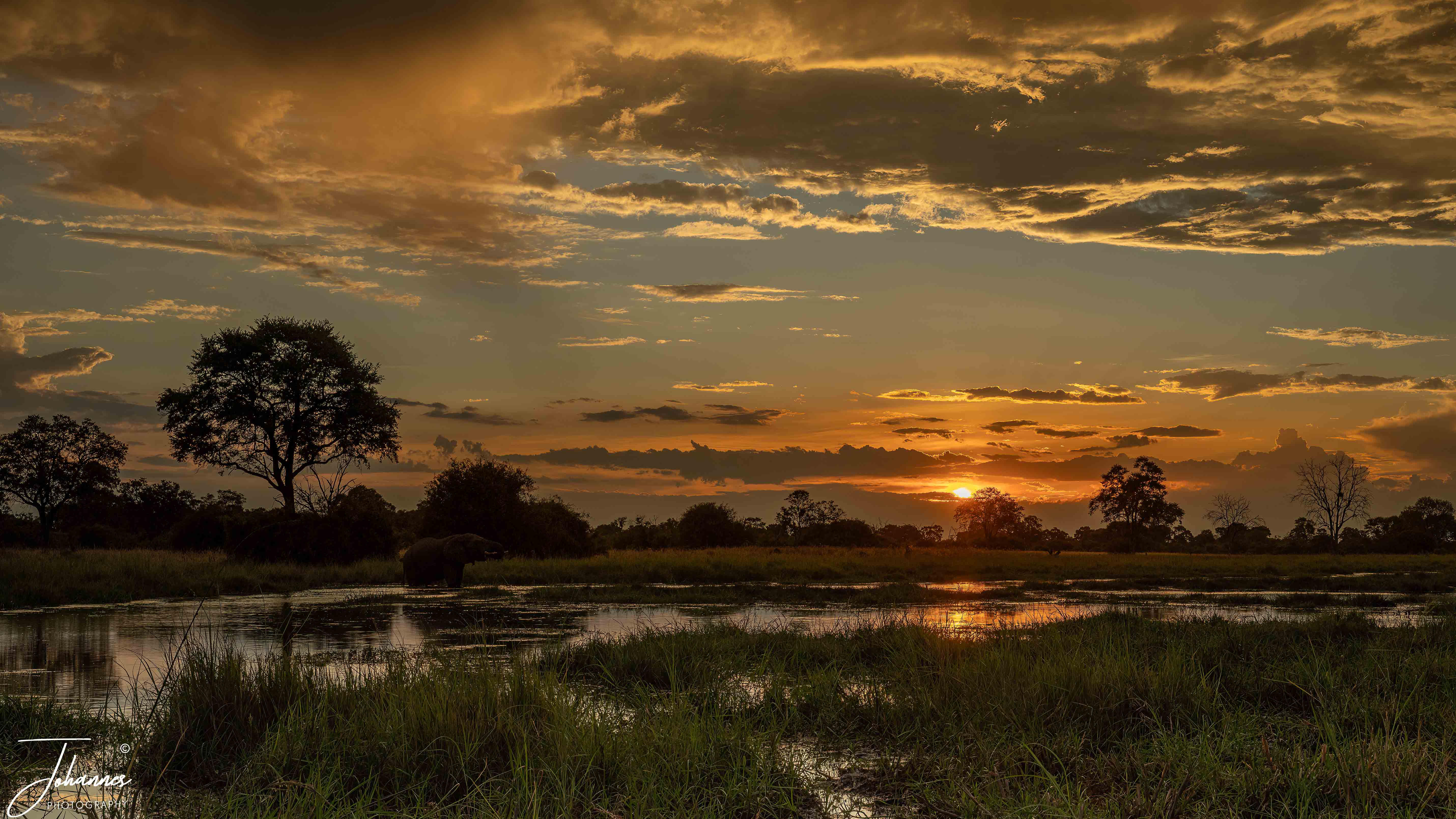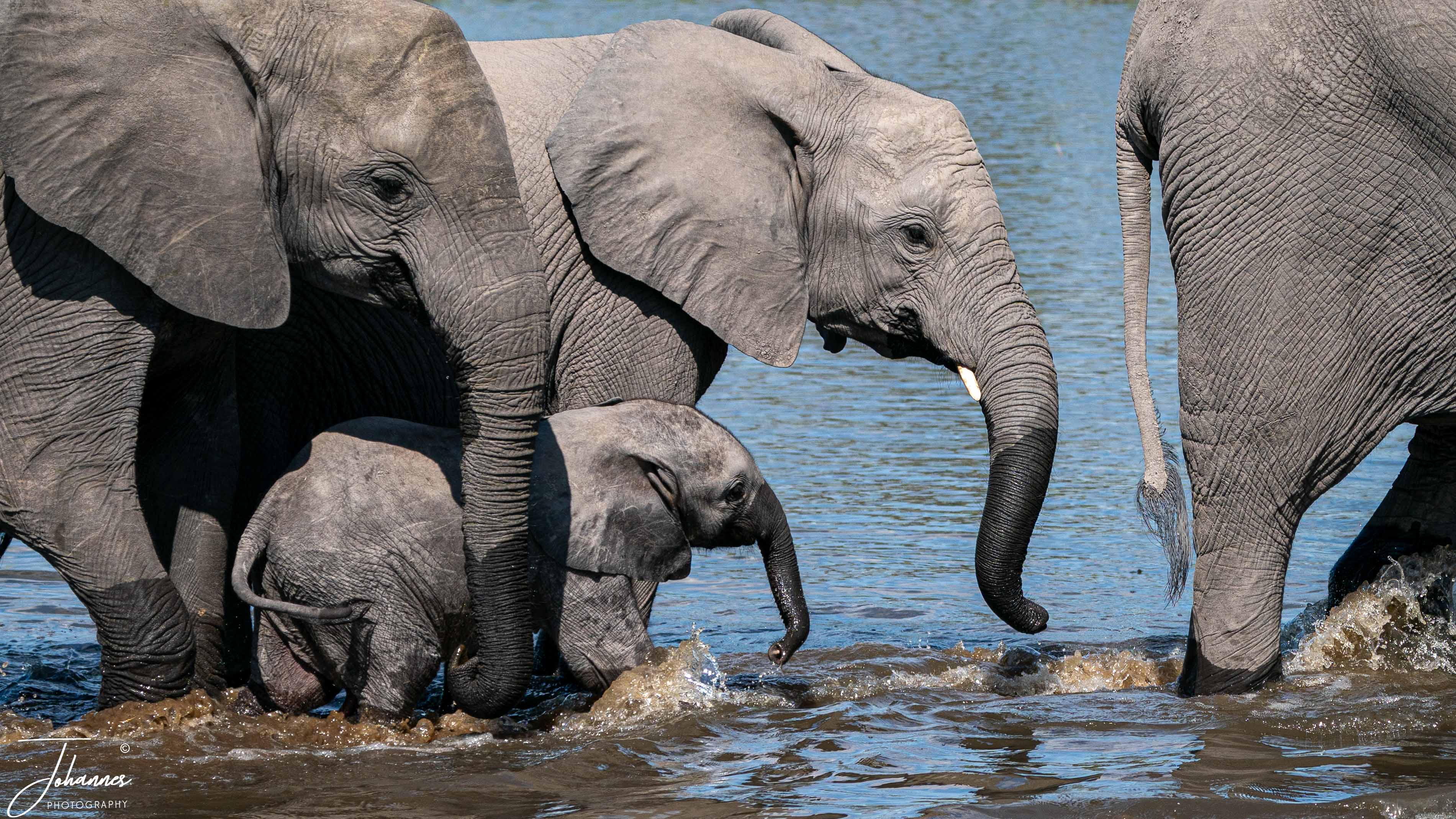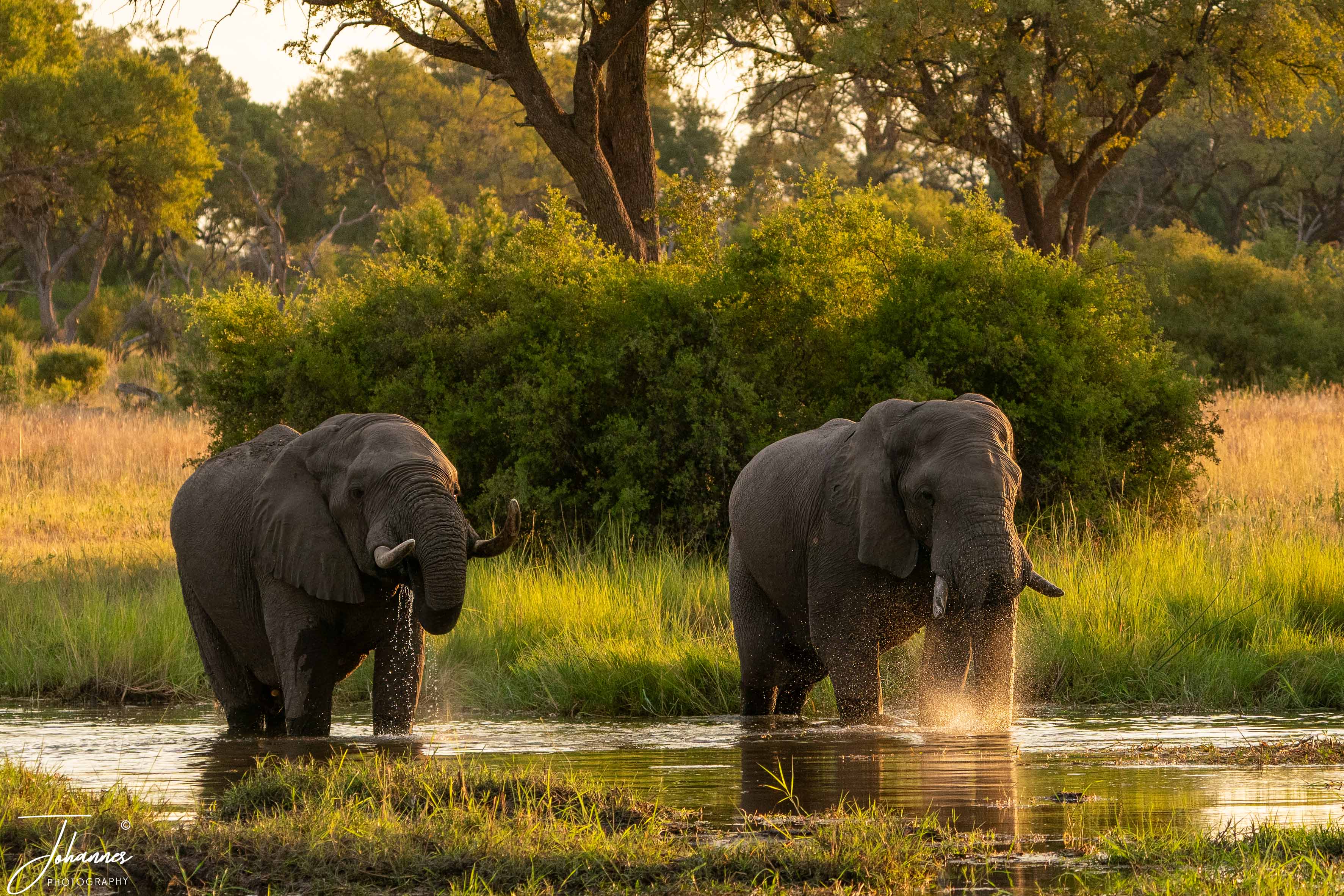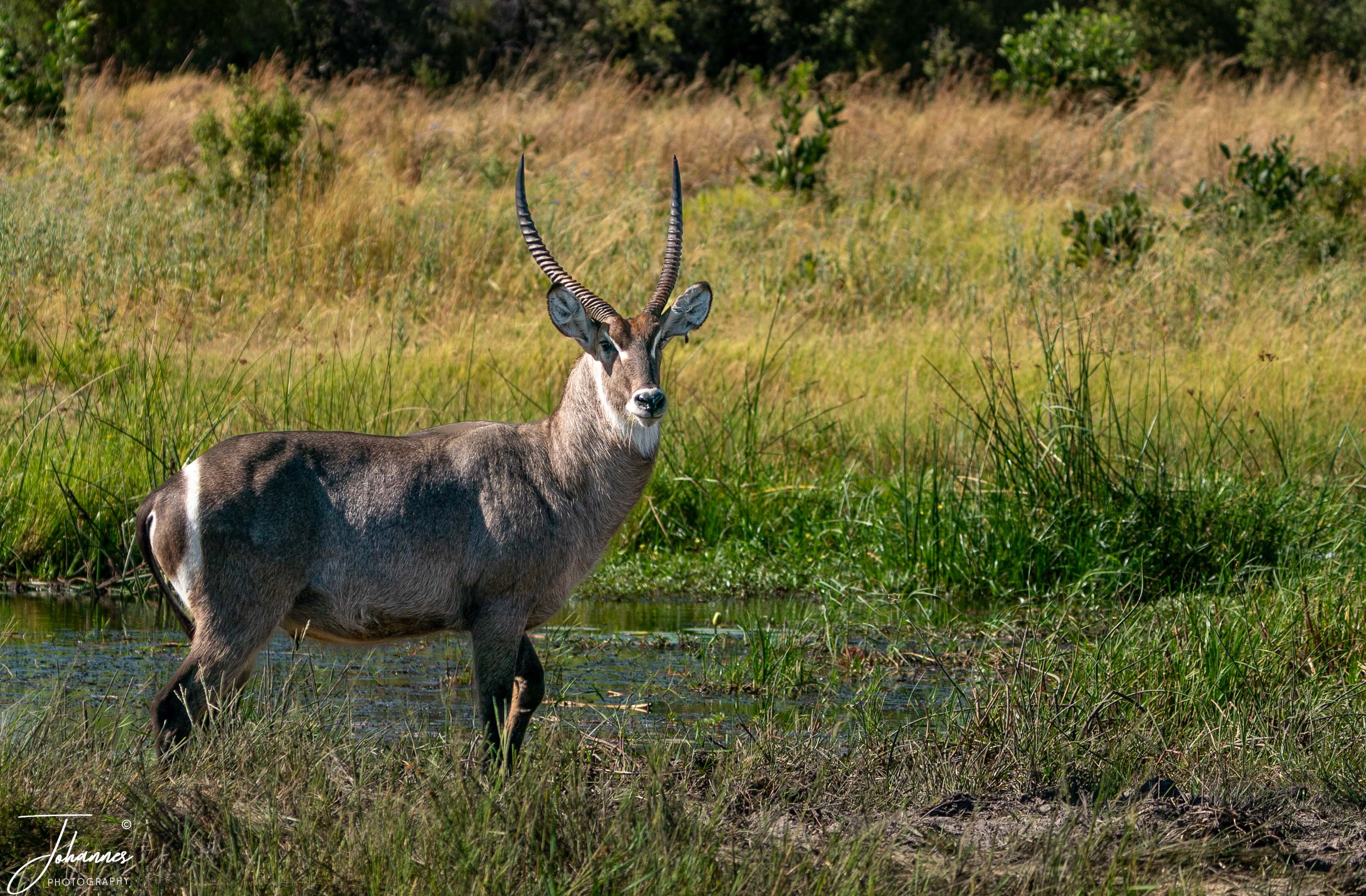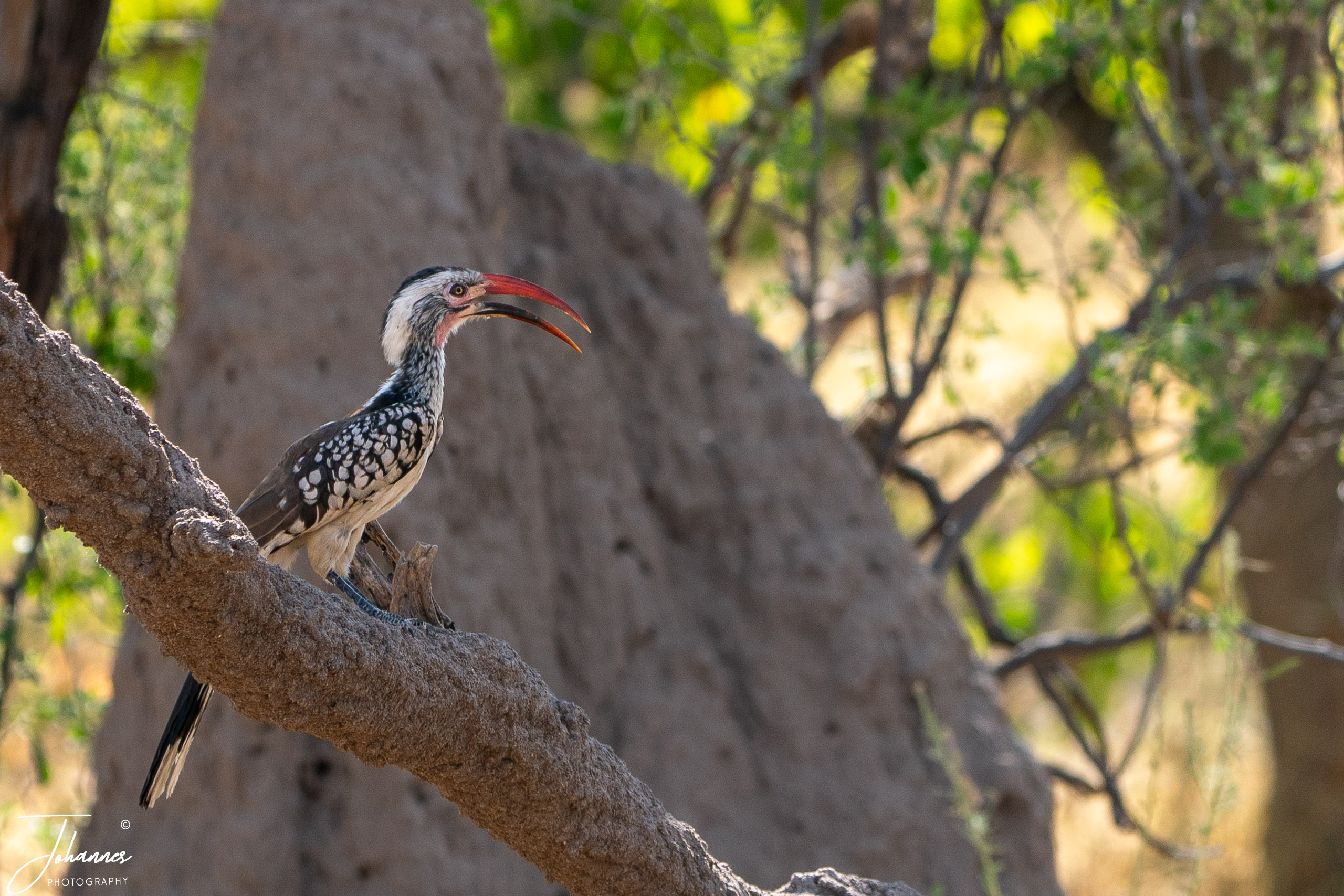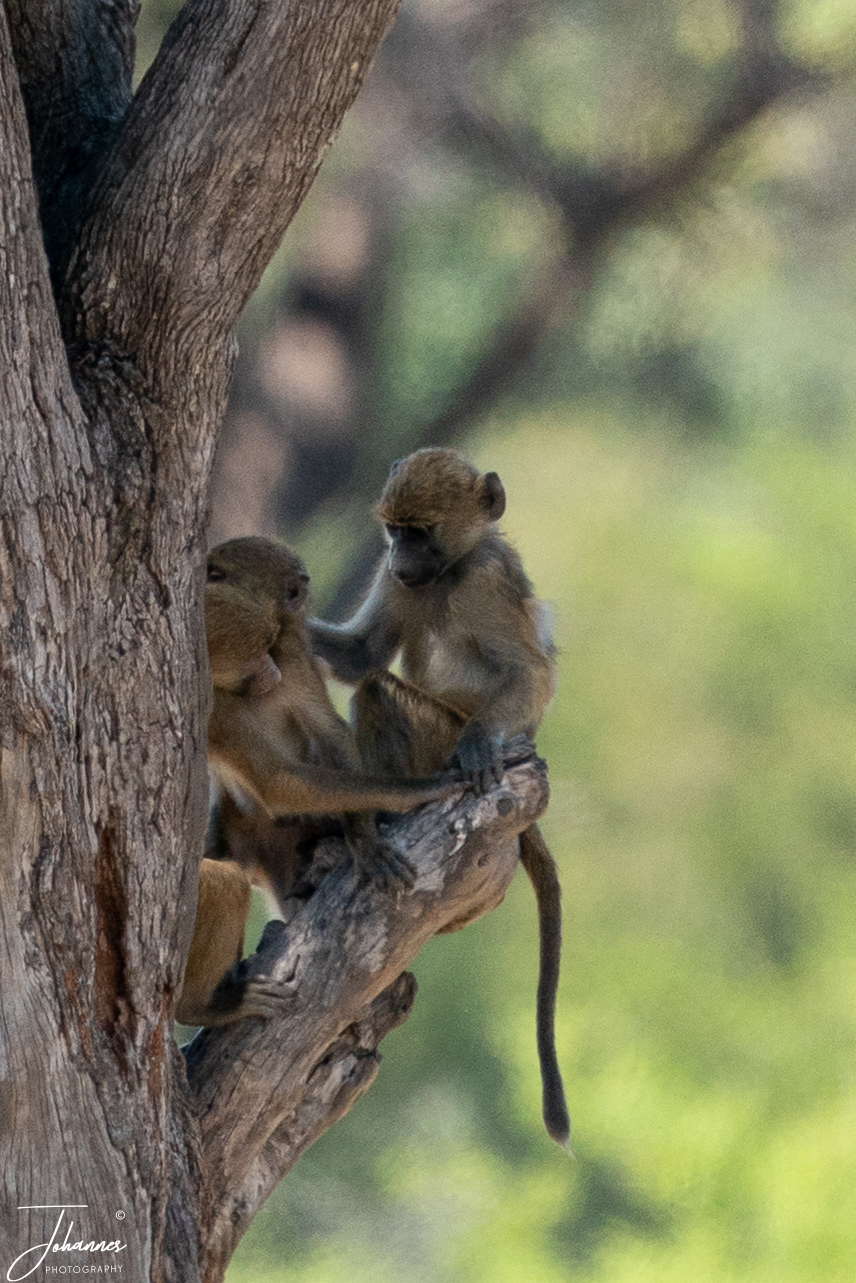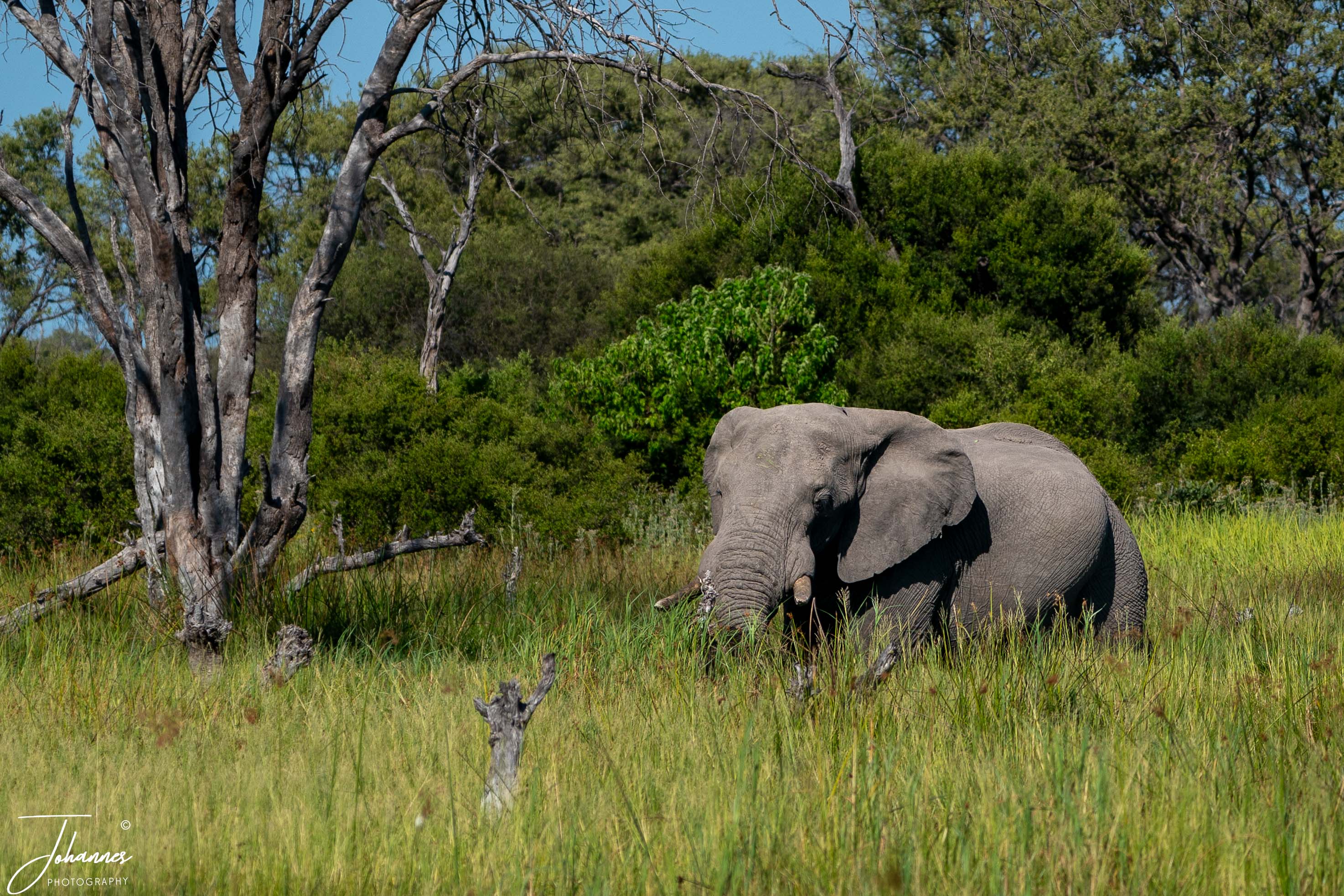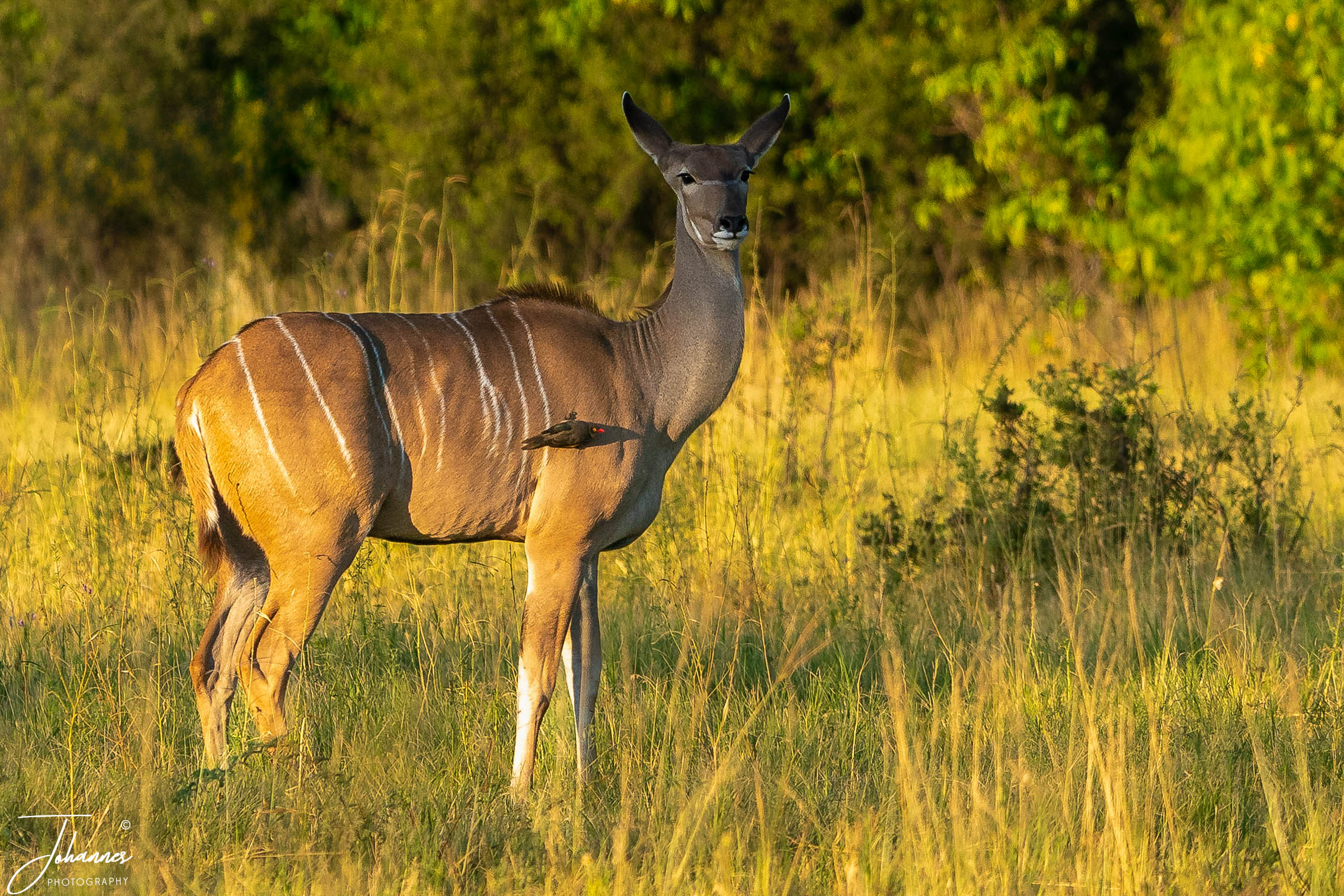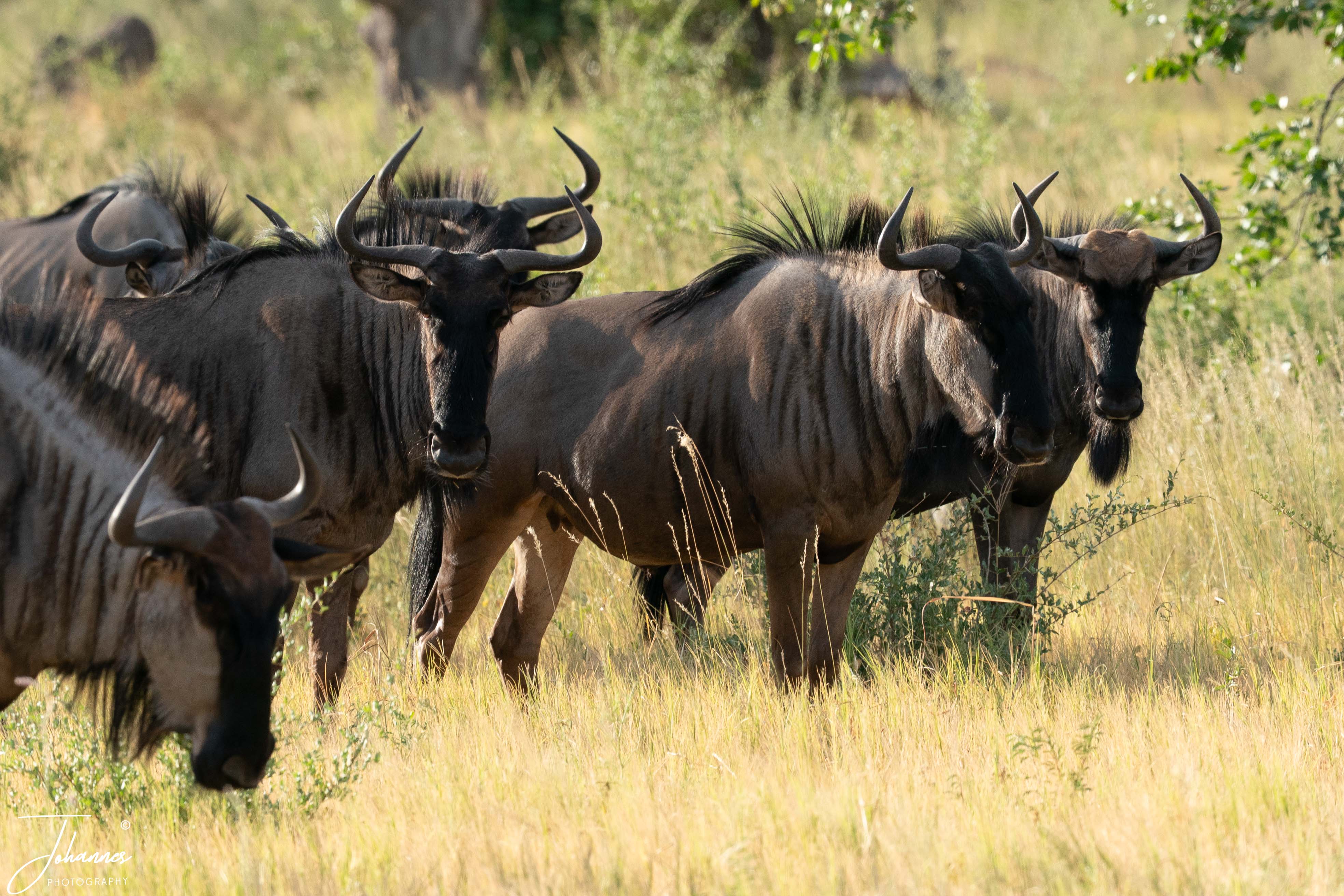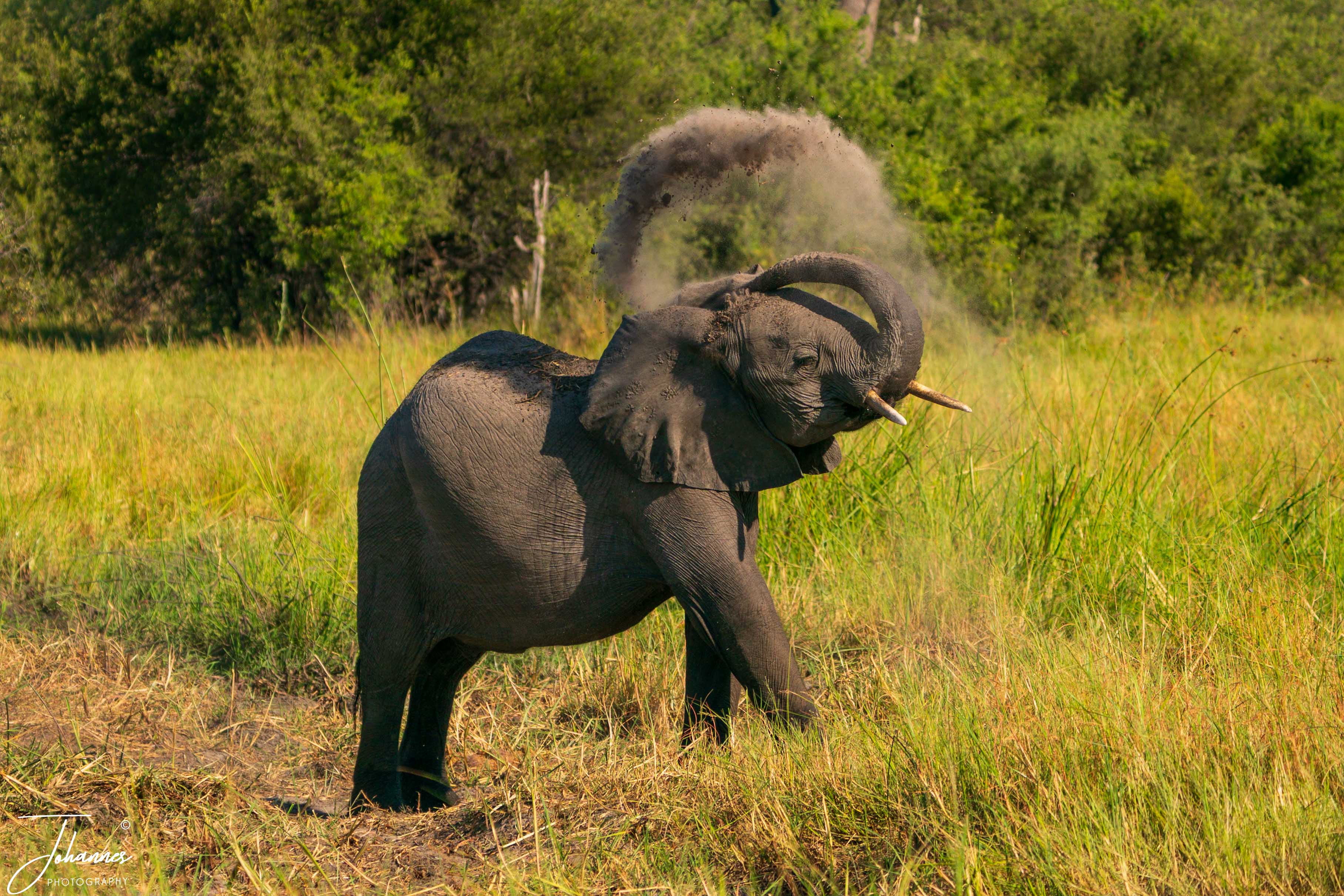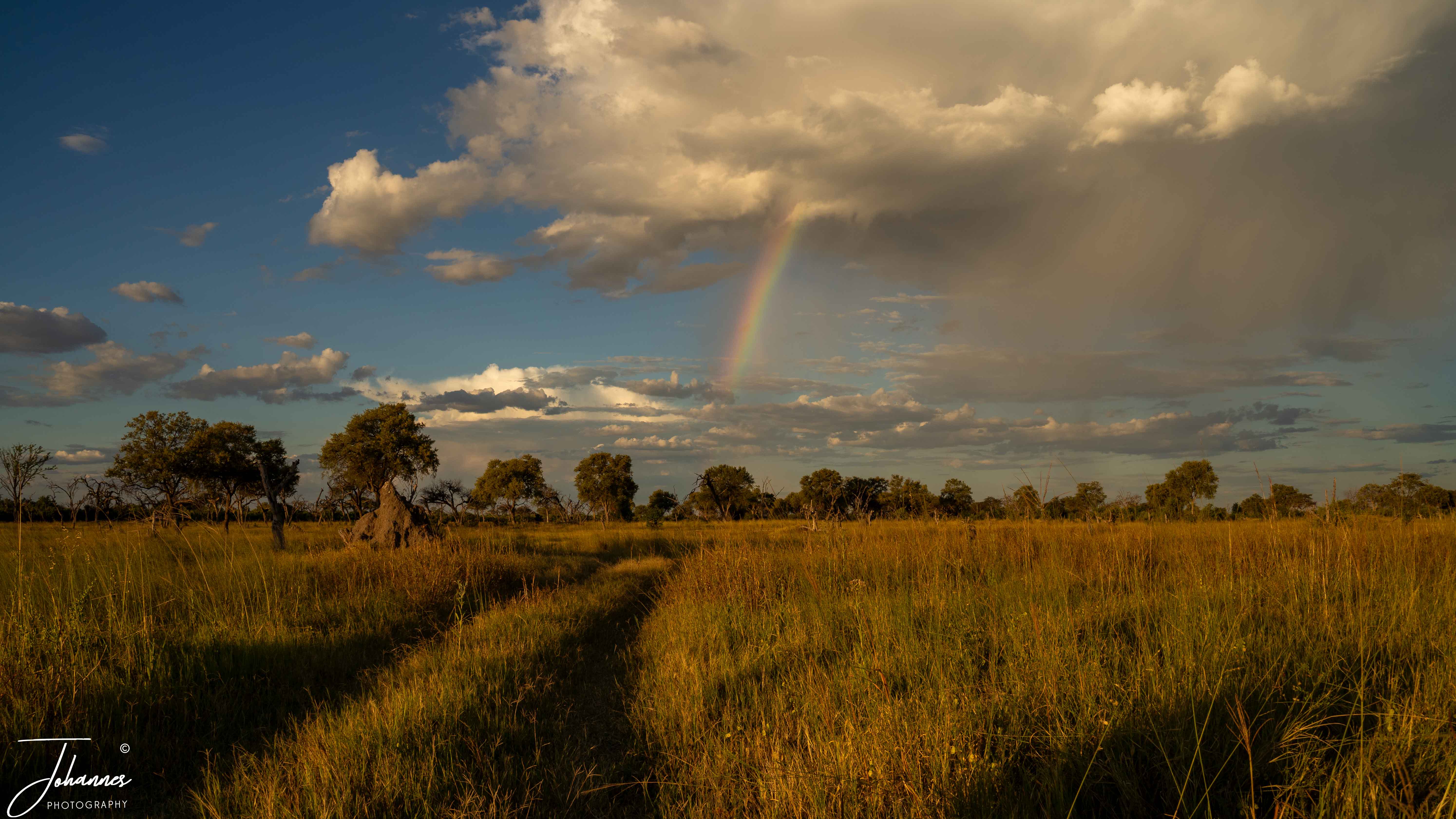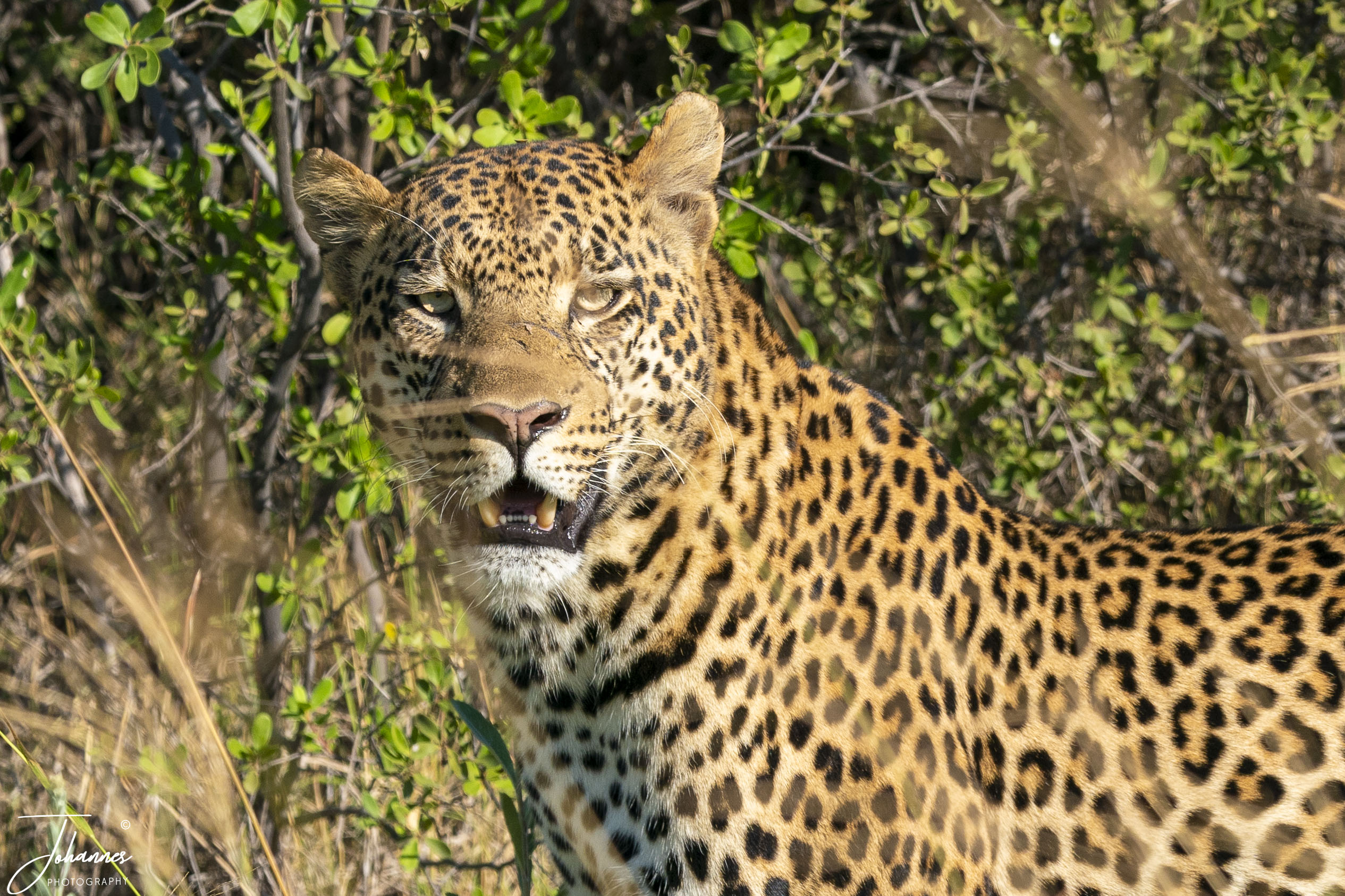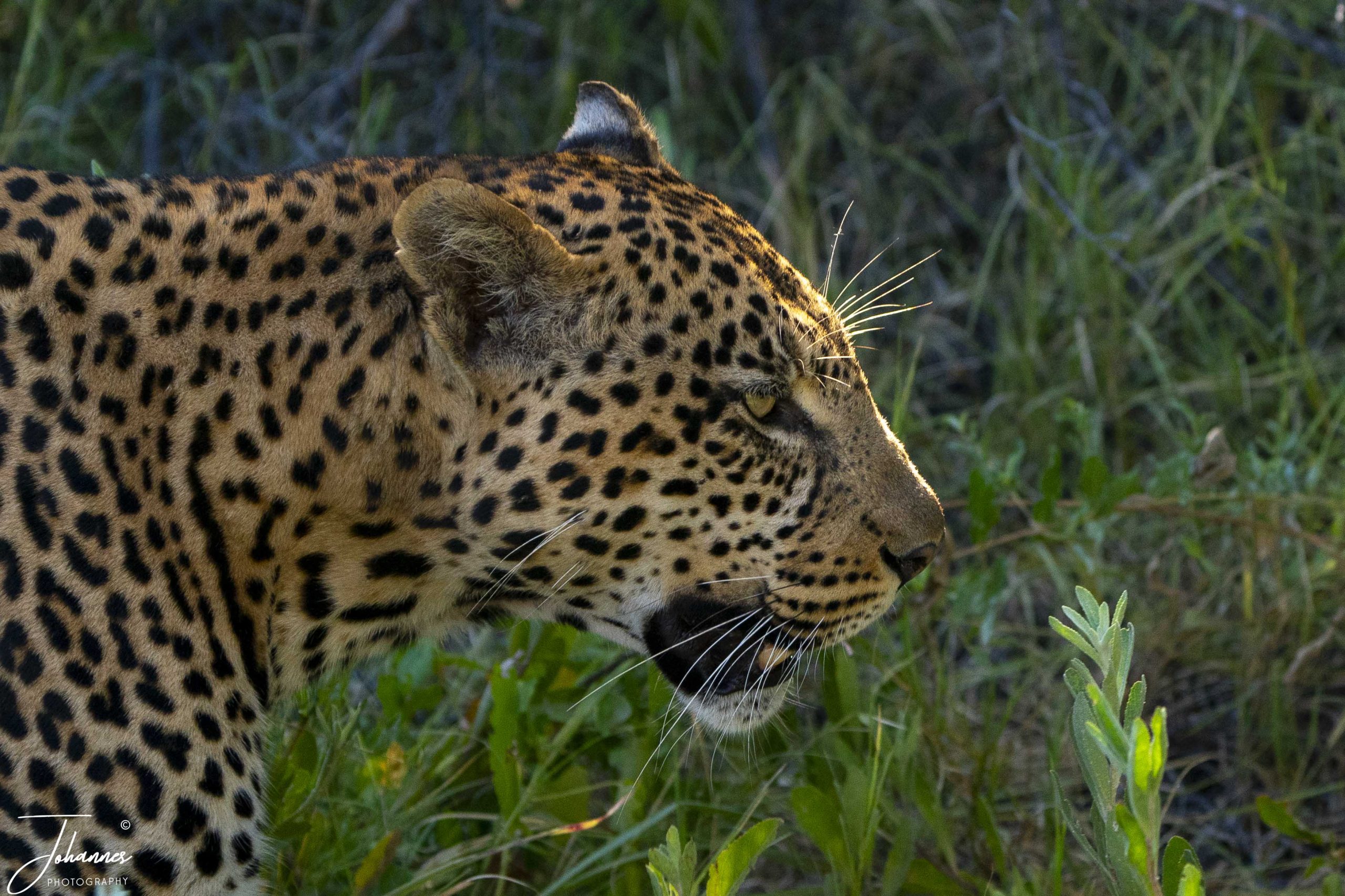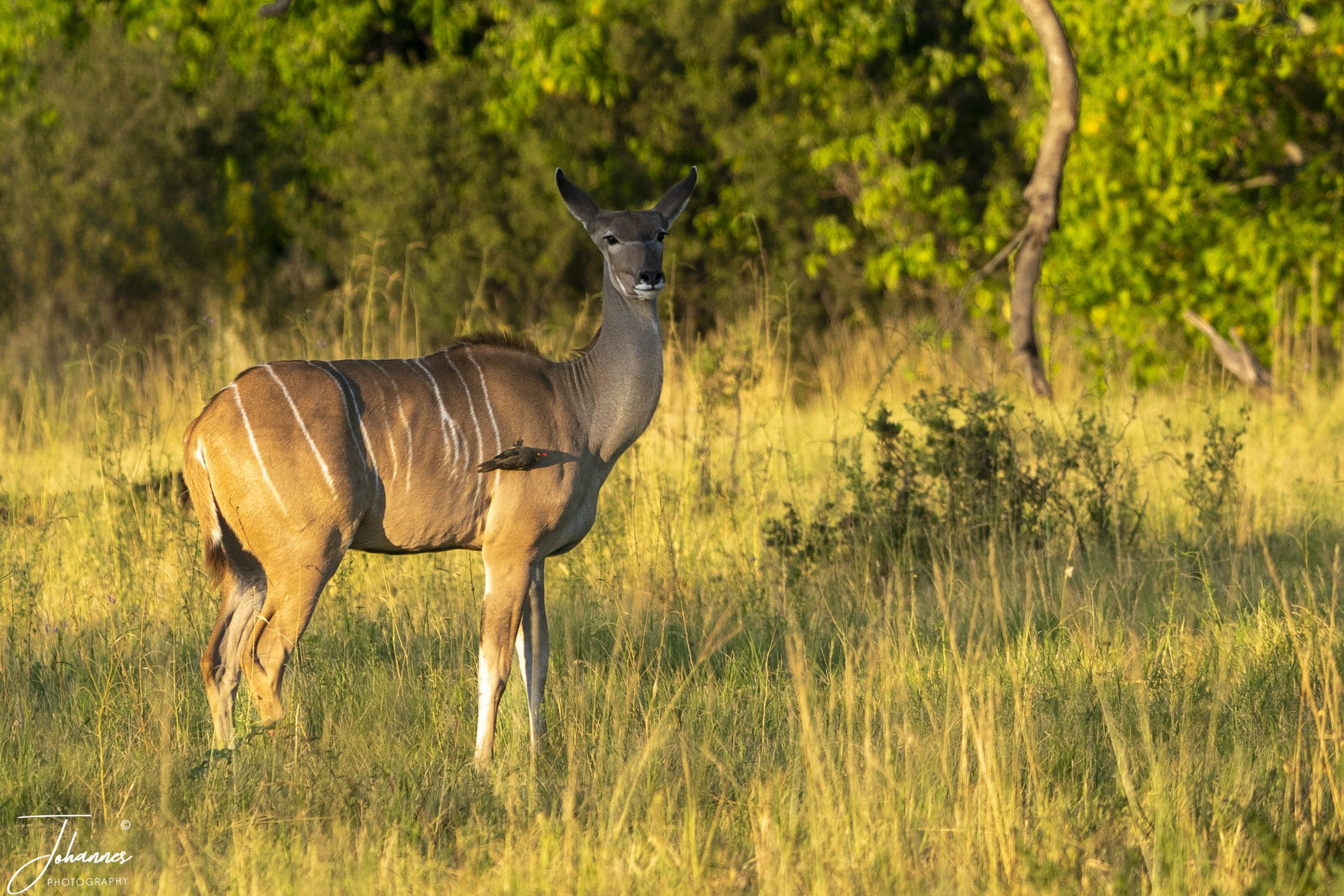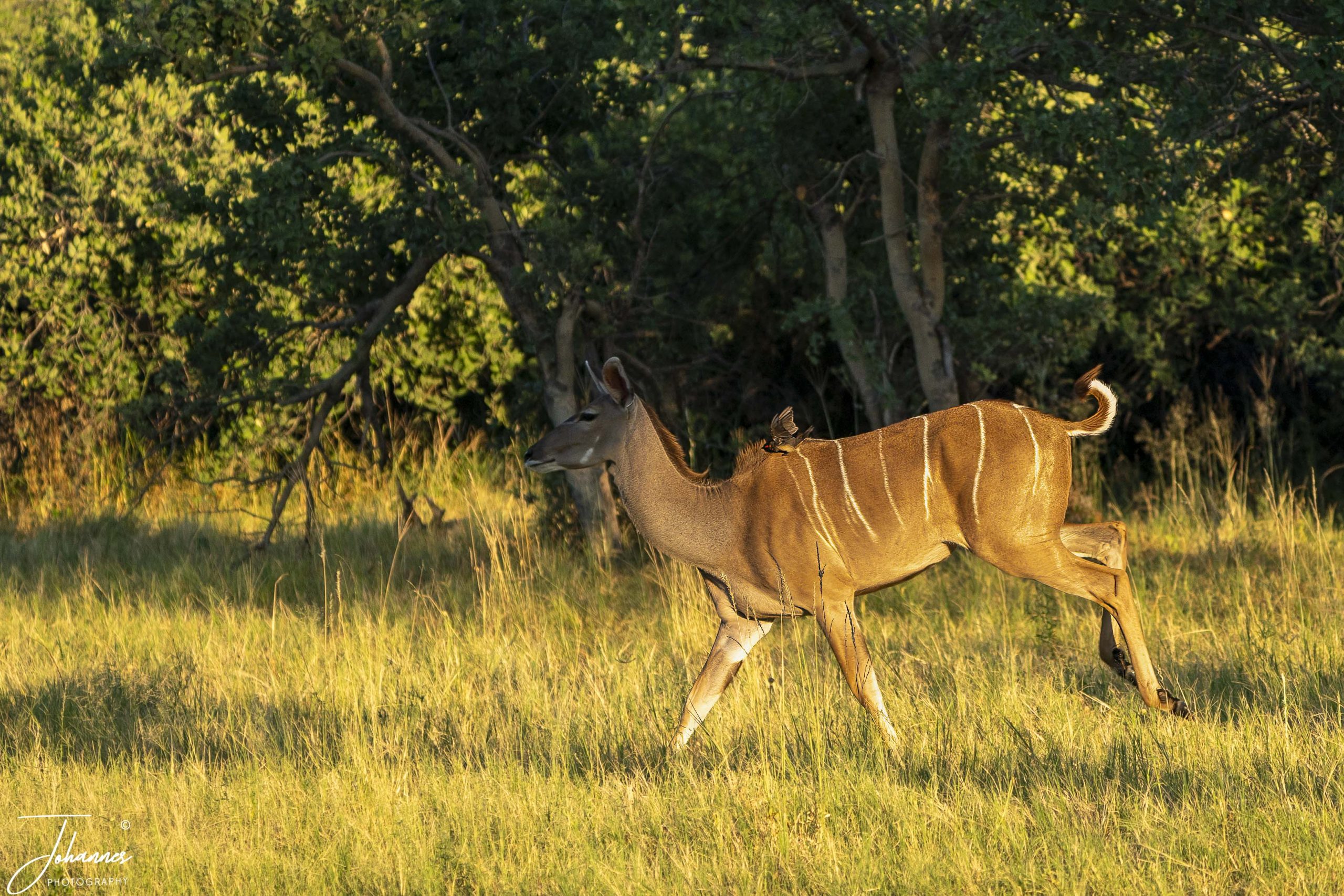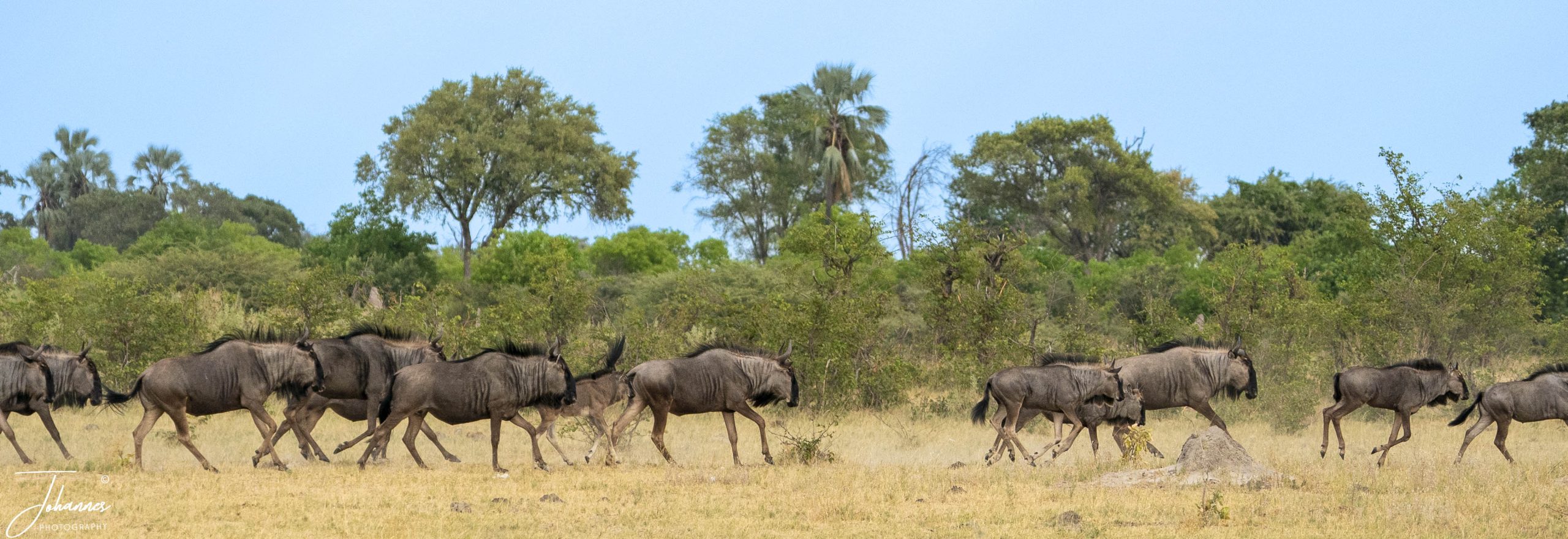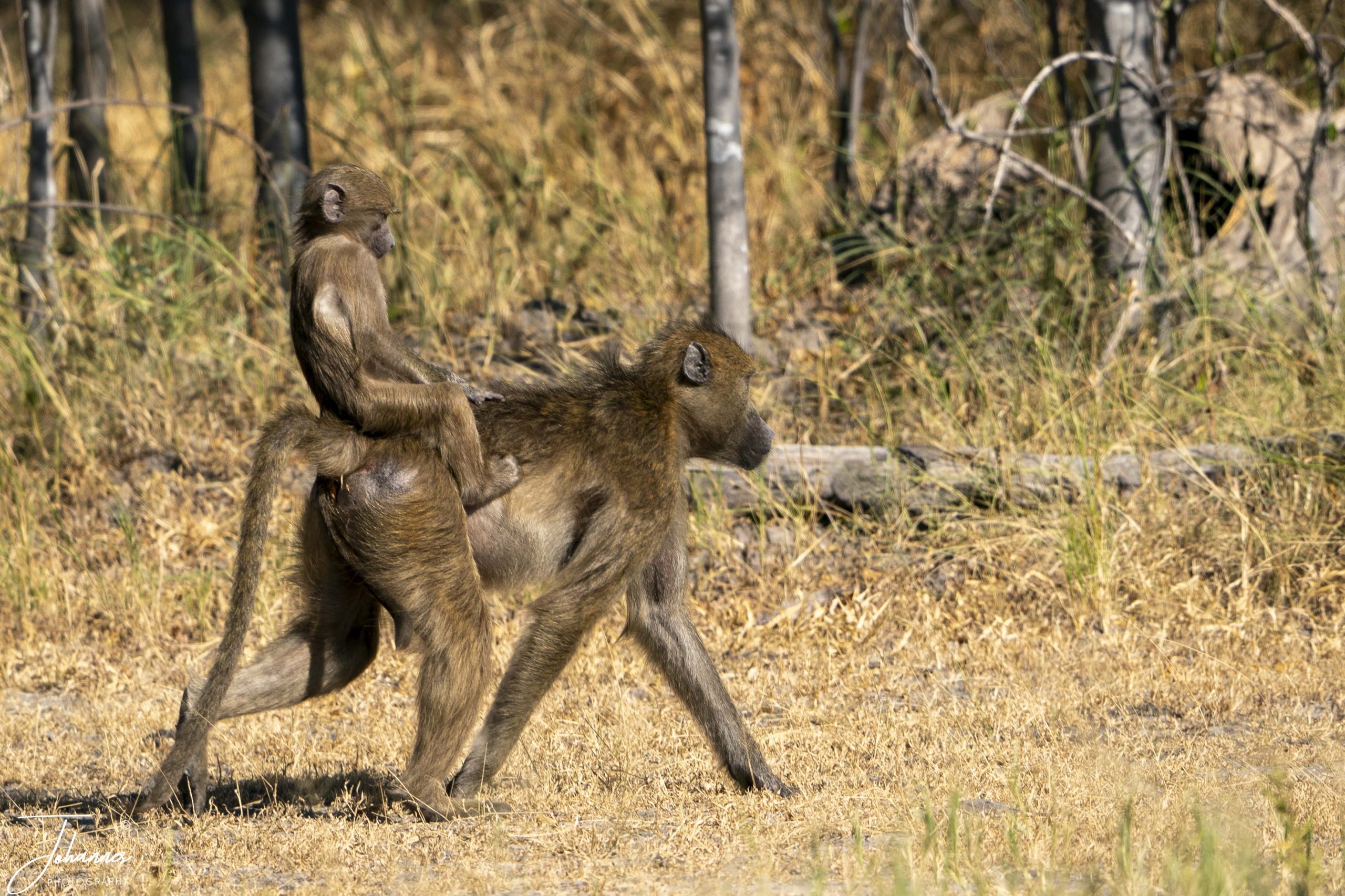
In March 2024, I traveled to Botswana with my photography buddy, Henk Vanetie. The trip was expertly organized by “The Africa specialist”.
It is a long journey to get there. We flew with KLM from Schiphol to Johannesburg, arriving late at night. We stayed overnight just 10 km from the airport, and the next day, after a nice breakfast, we returned to the airport for our flight to Maun.
In Maun, we met Julias from Go Bold Adventures.
ulias is a fantastic guide—exceptionally kind, fluent in English, and possessing incredible instincts; he sees and hears everything and manages every detail perfectly. Our journey was split into two parts: the first four days in the Moremi Khwai Nature Reserve, followed by three days of sailing in the Okavango Delta.
Moremi Khwai: Life in Abundance
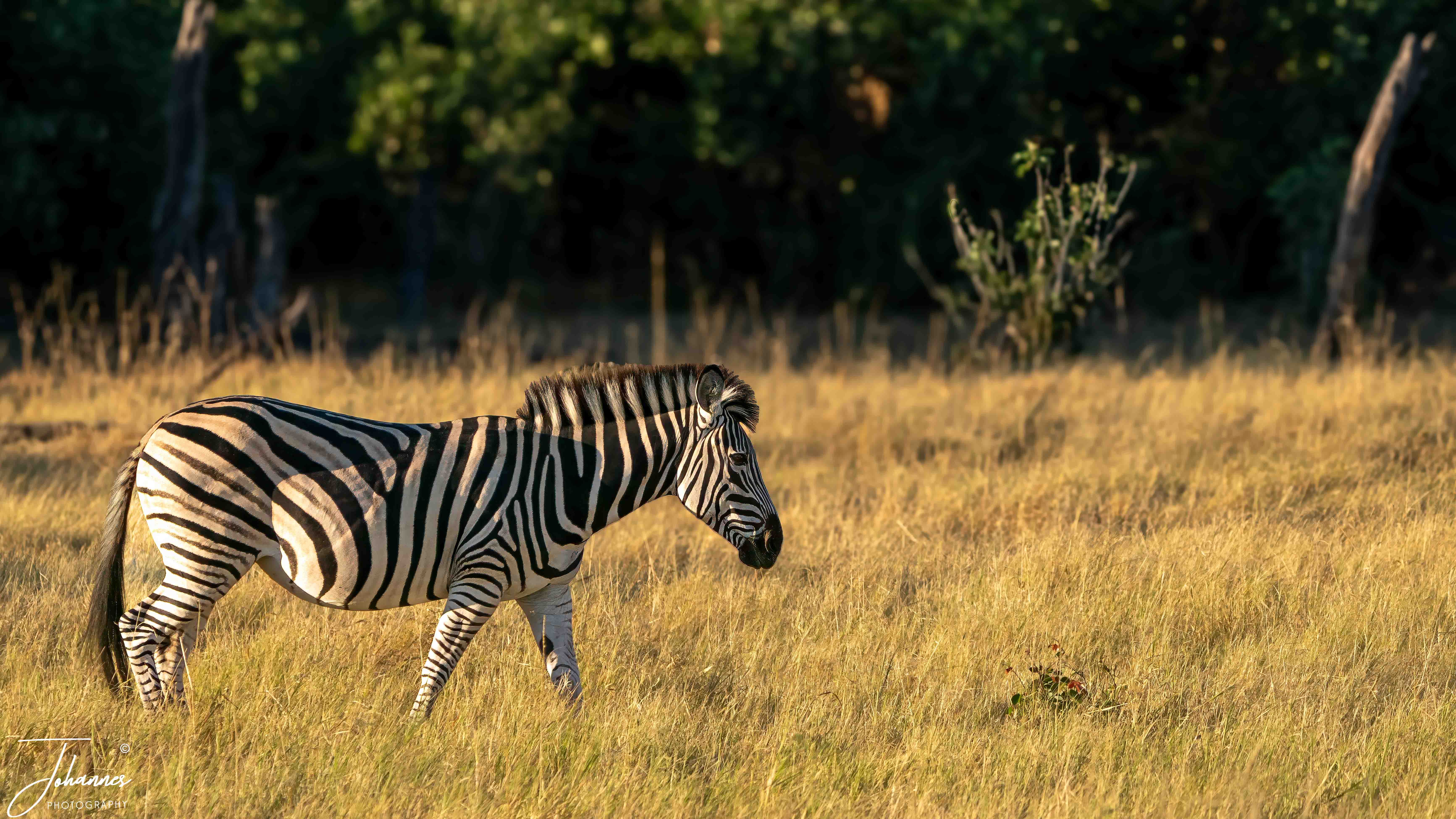
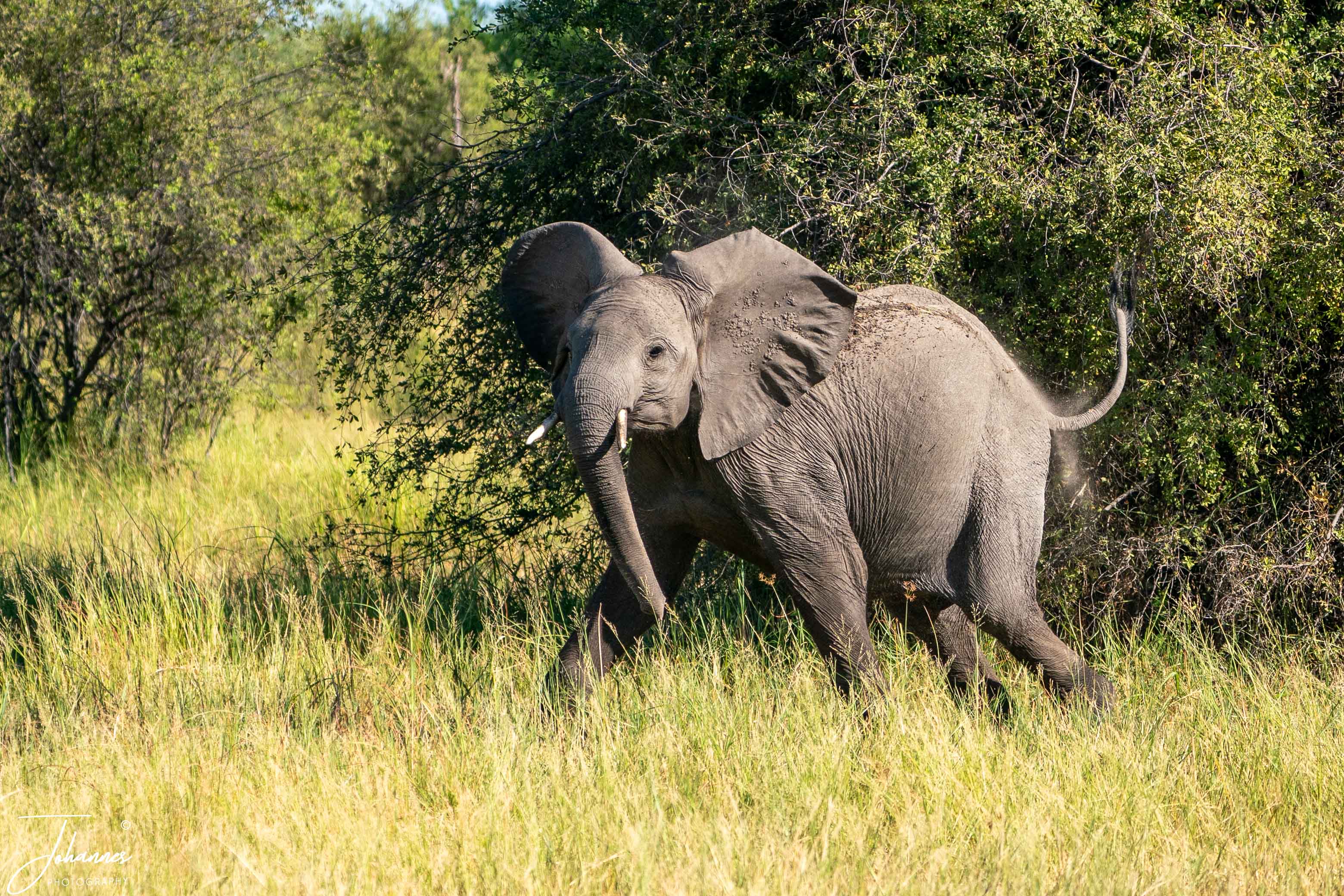
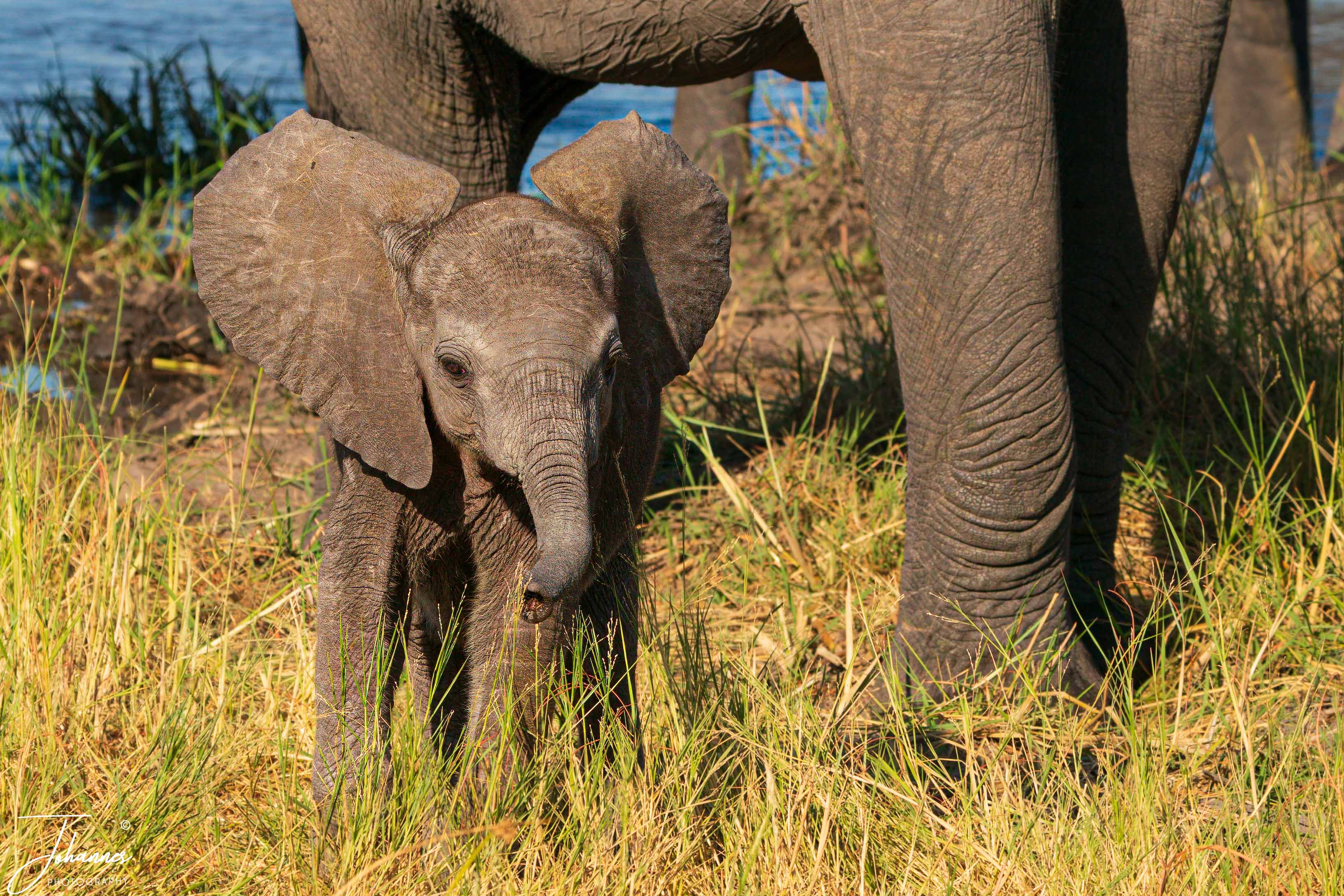
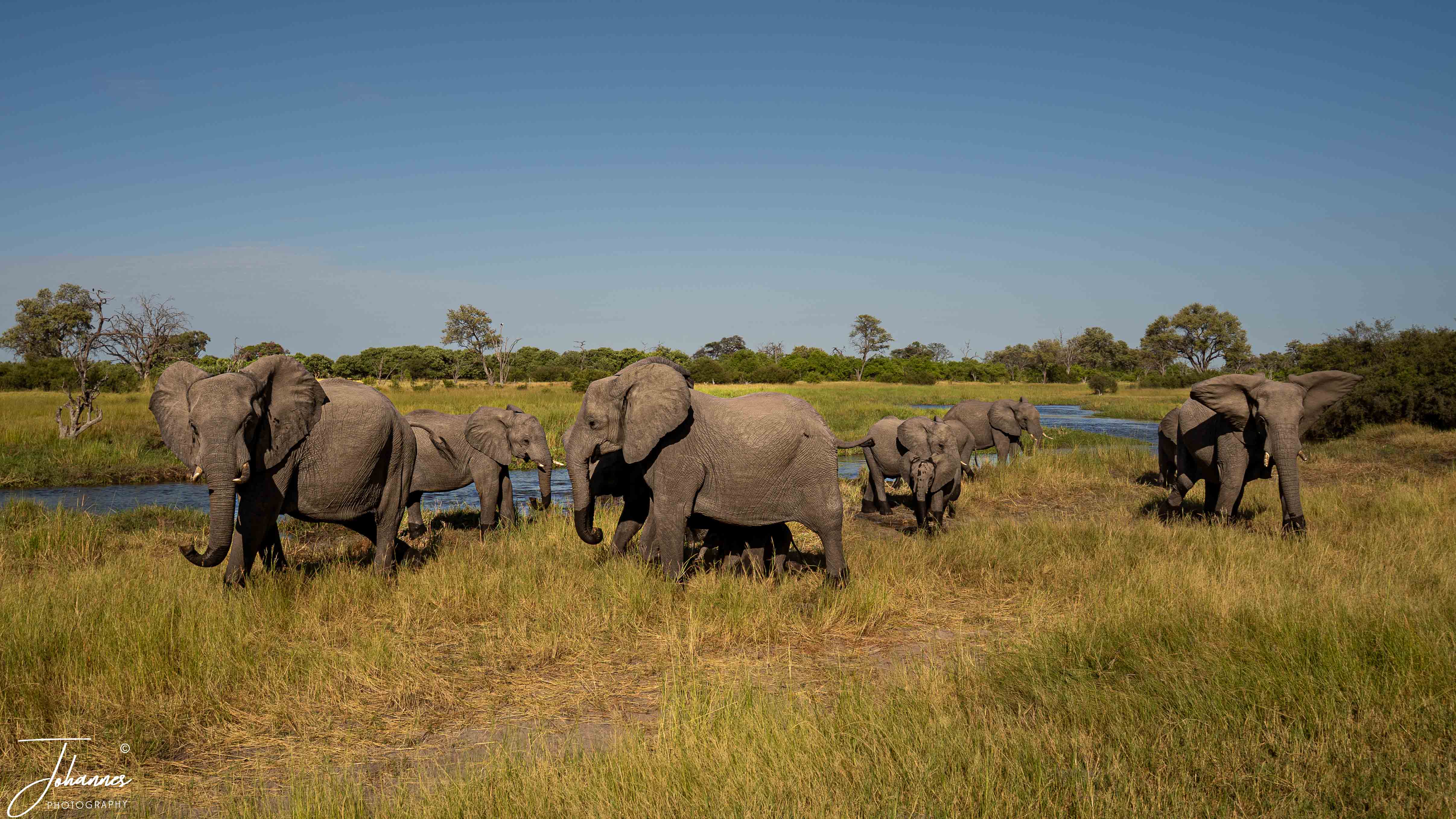
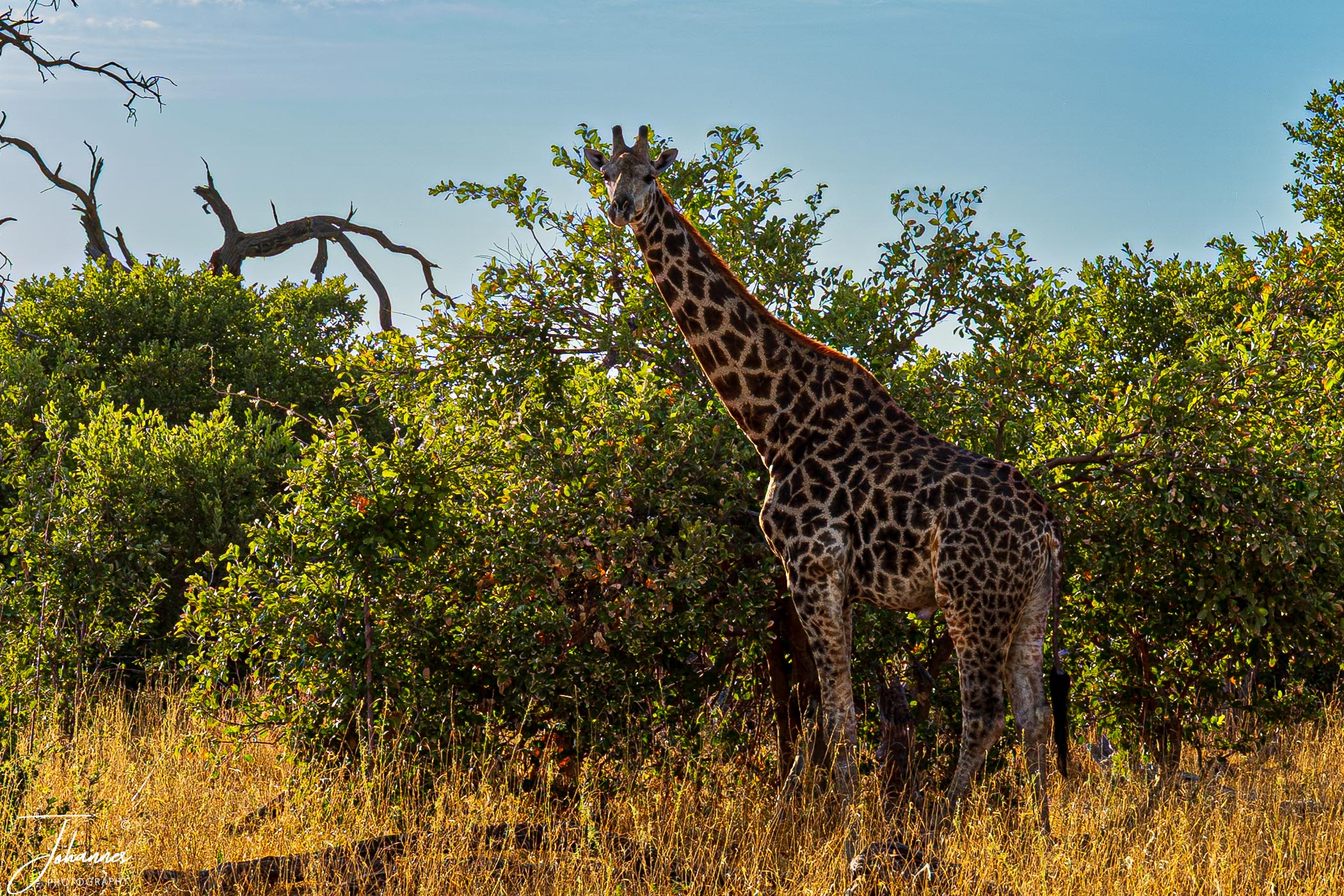
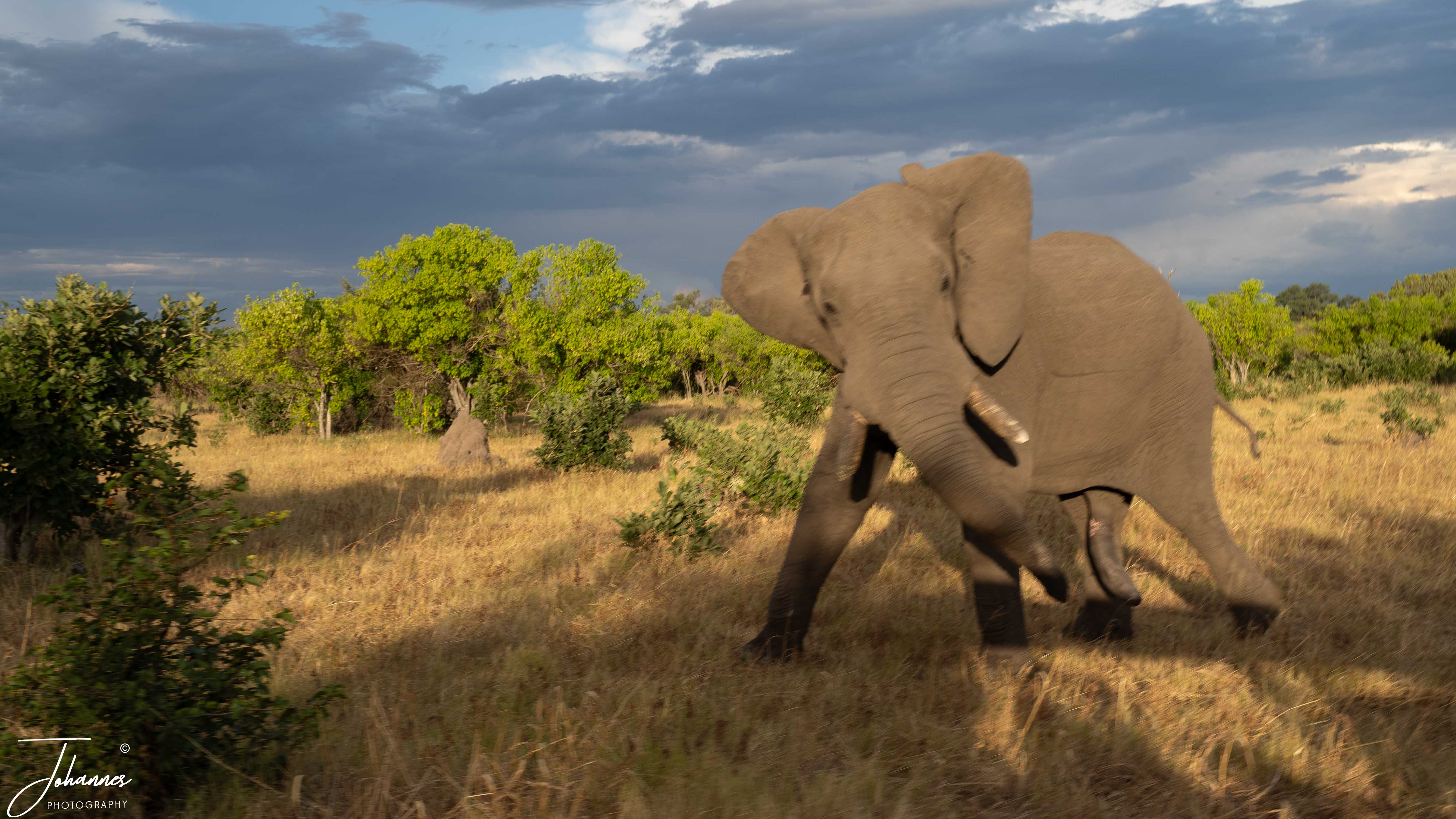
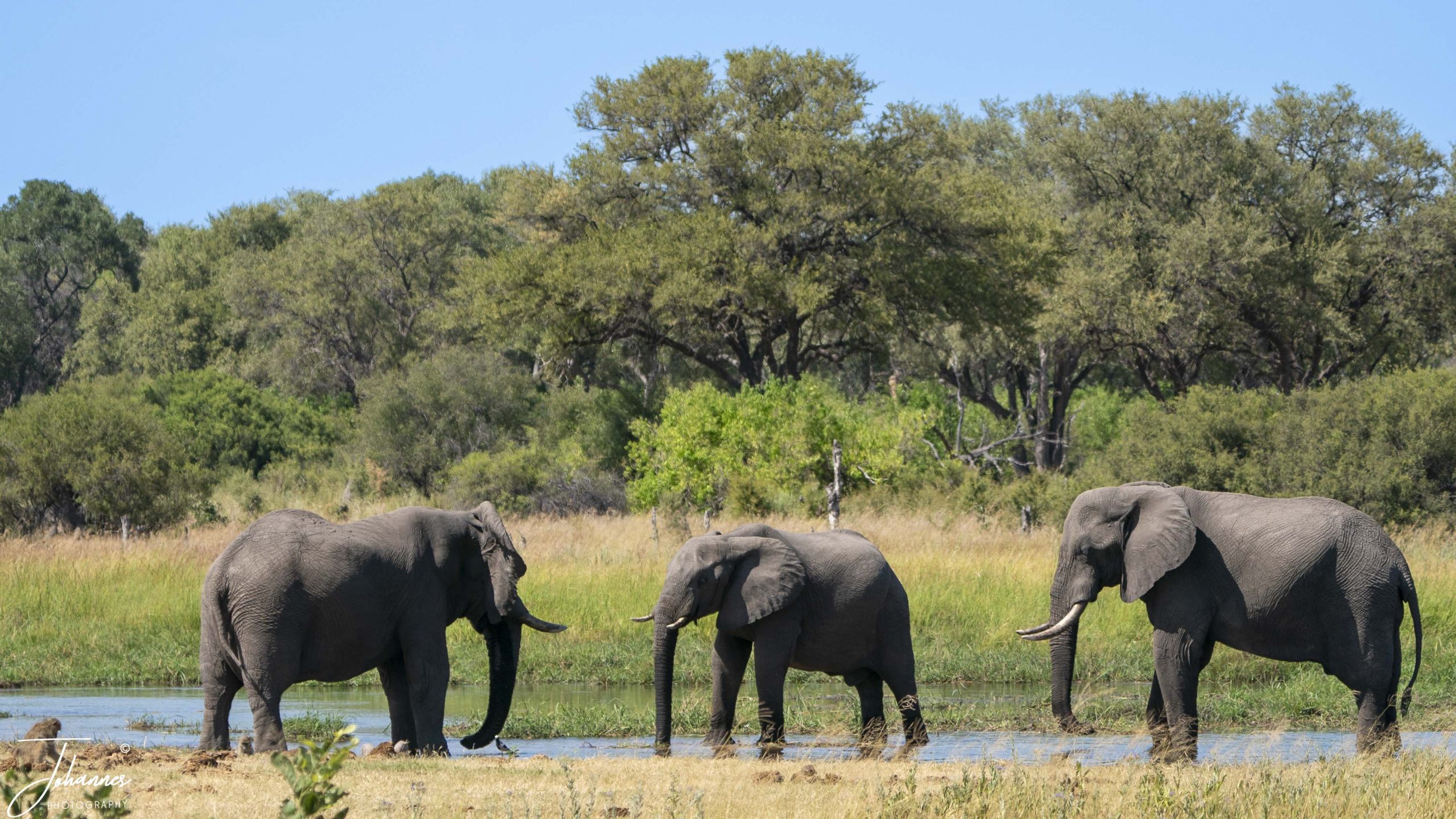
The journey from Maun to Moremi Khwai takes about five hours. Shortly after leaving Maun, we already spotted our first elephants along the road, as well as ostriches and giraffes.
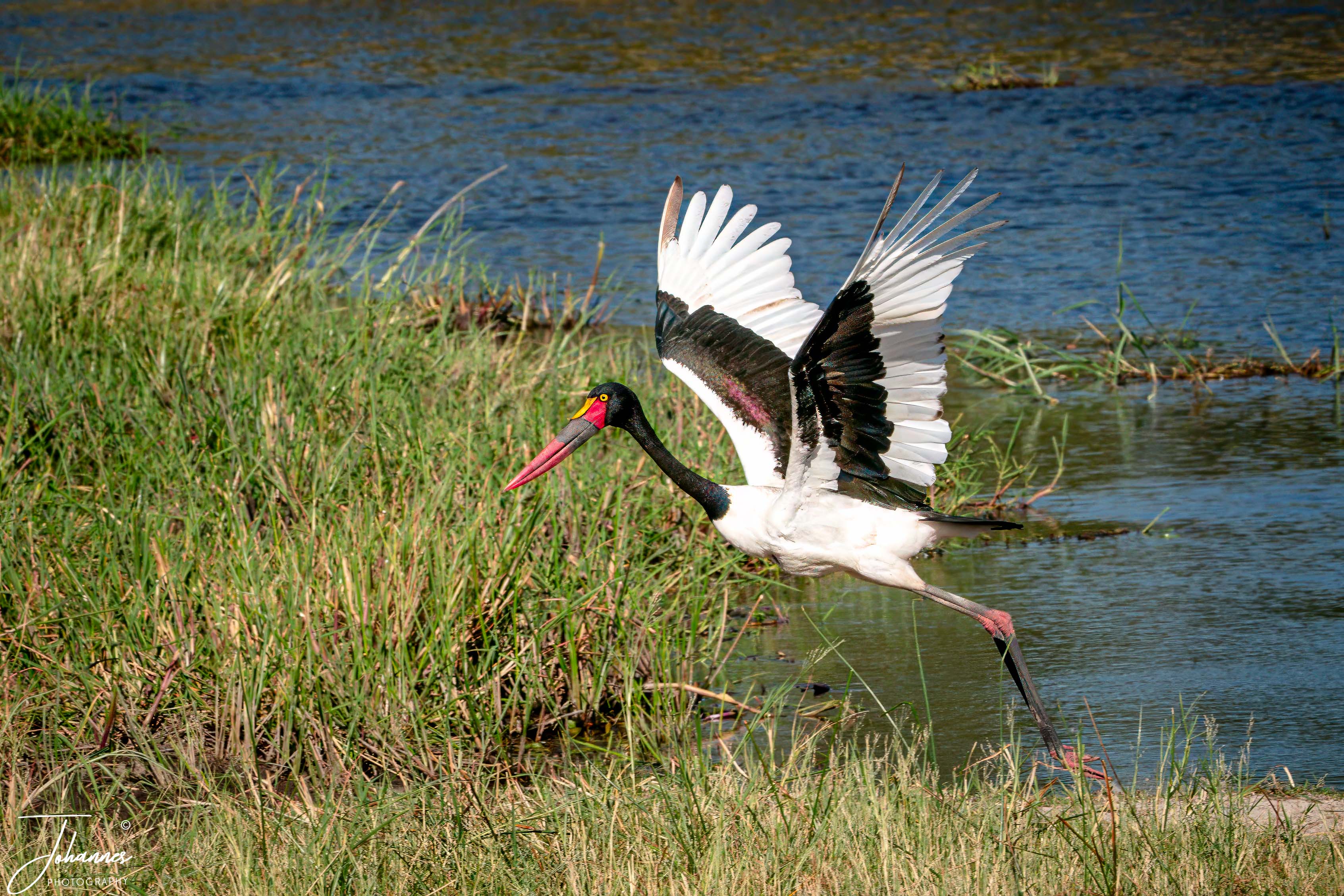
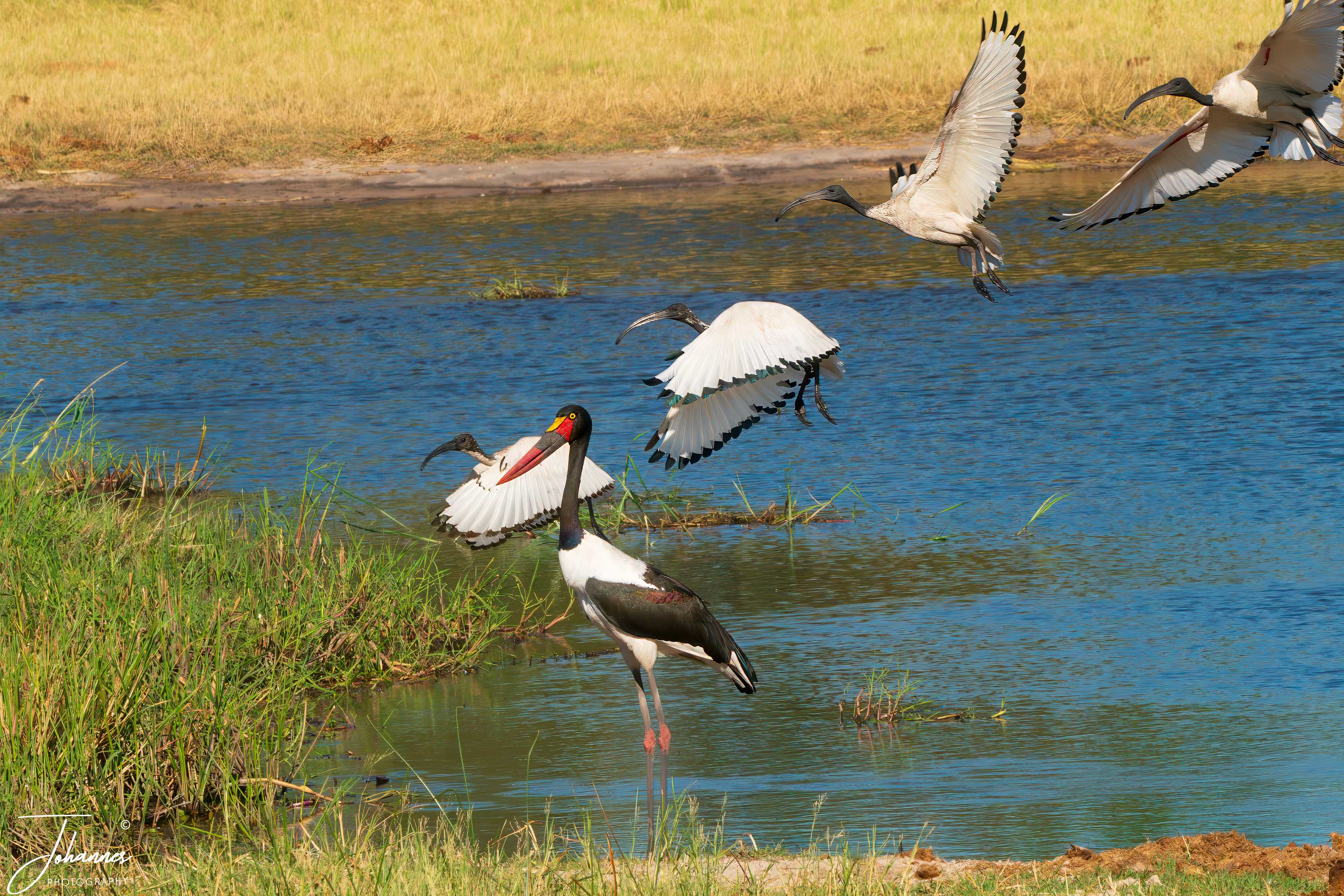
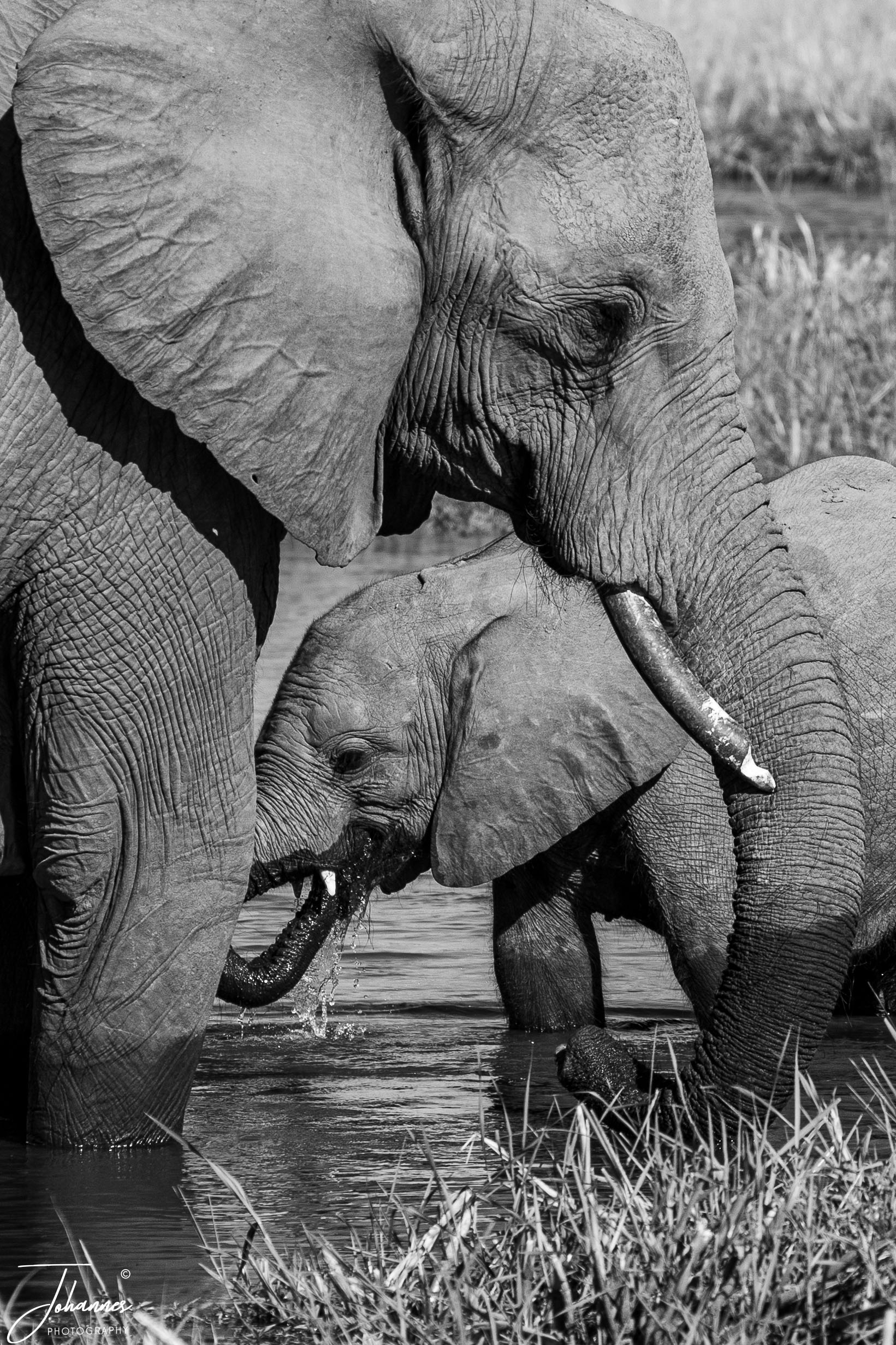
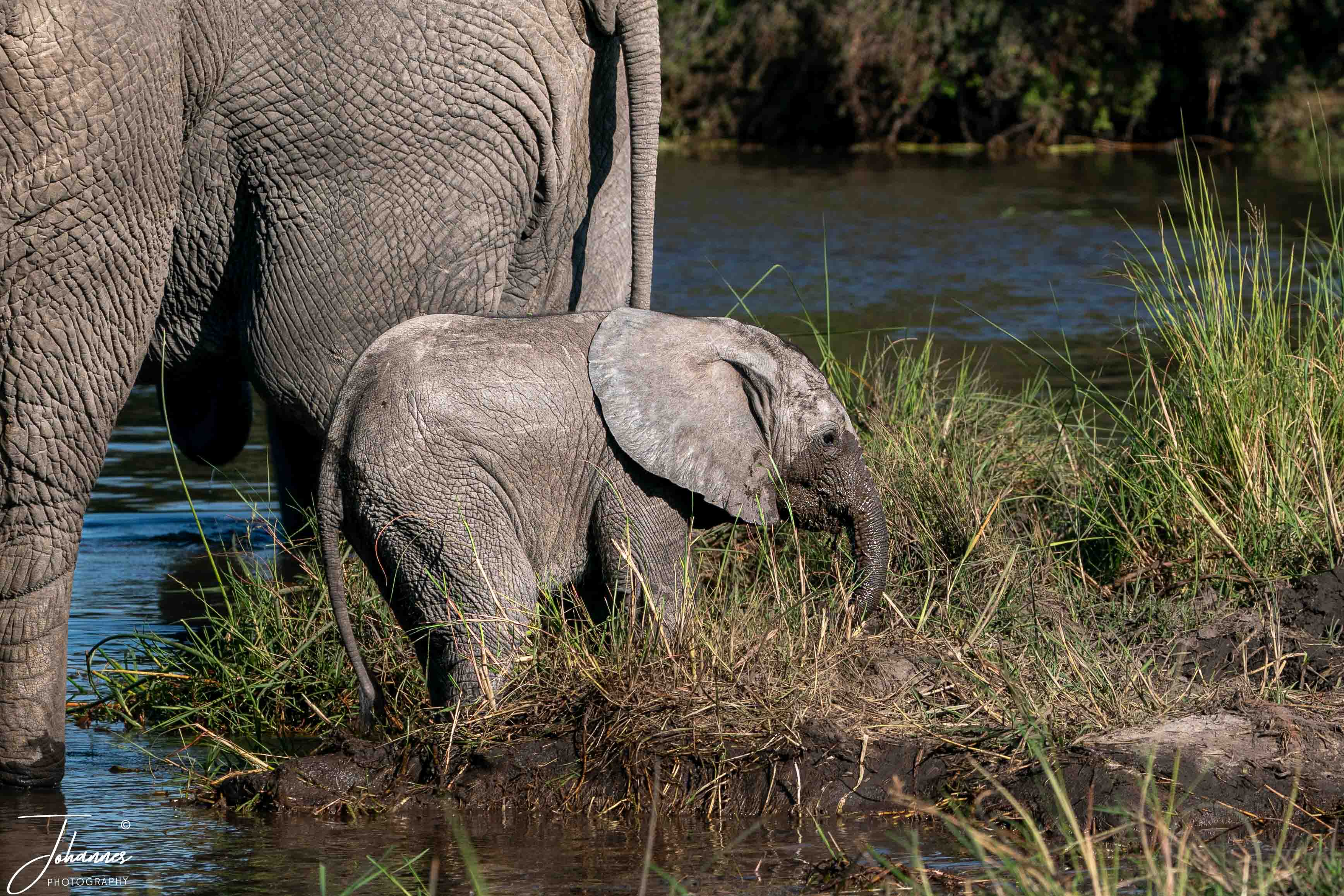
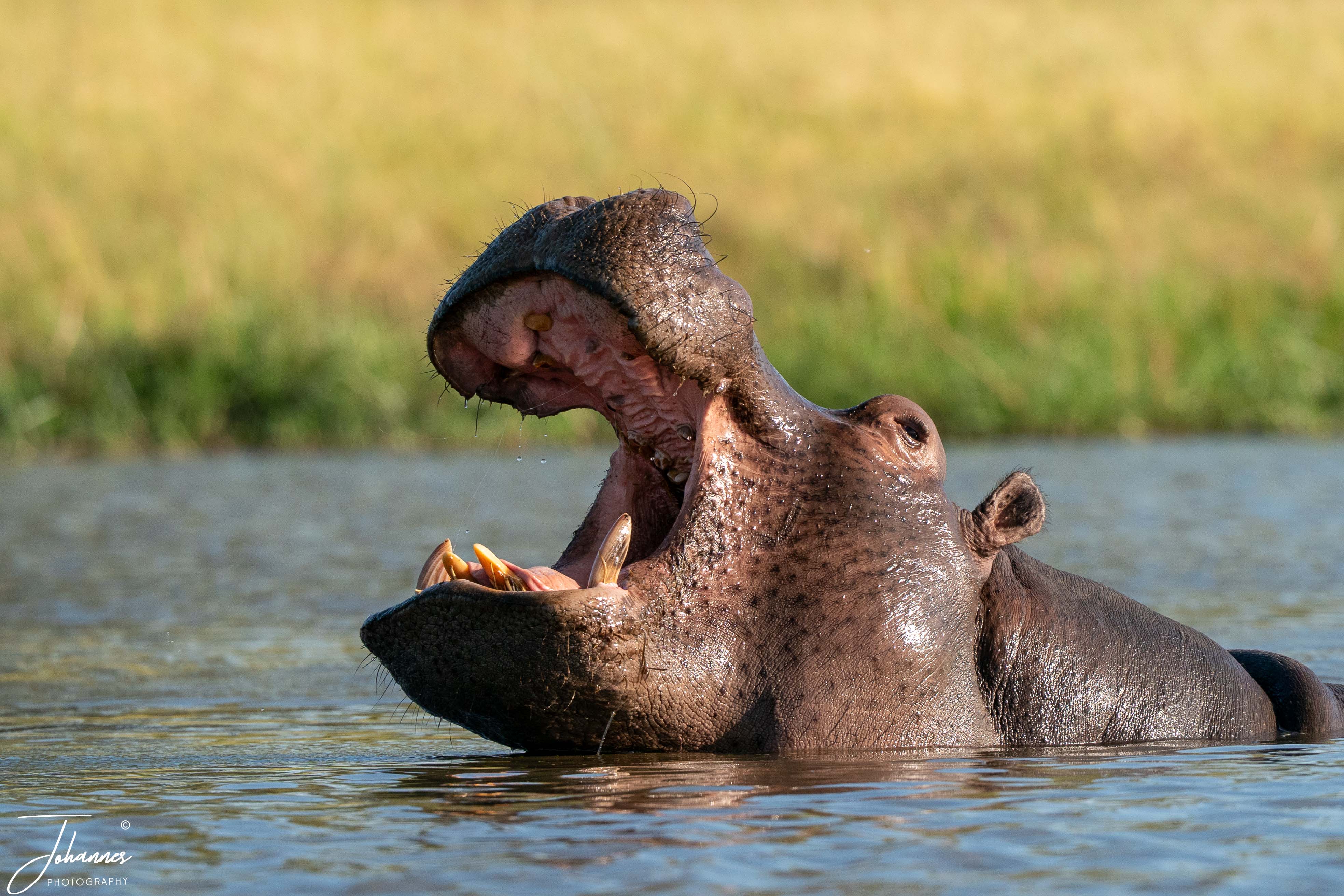
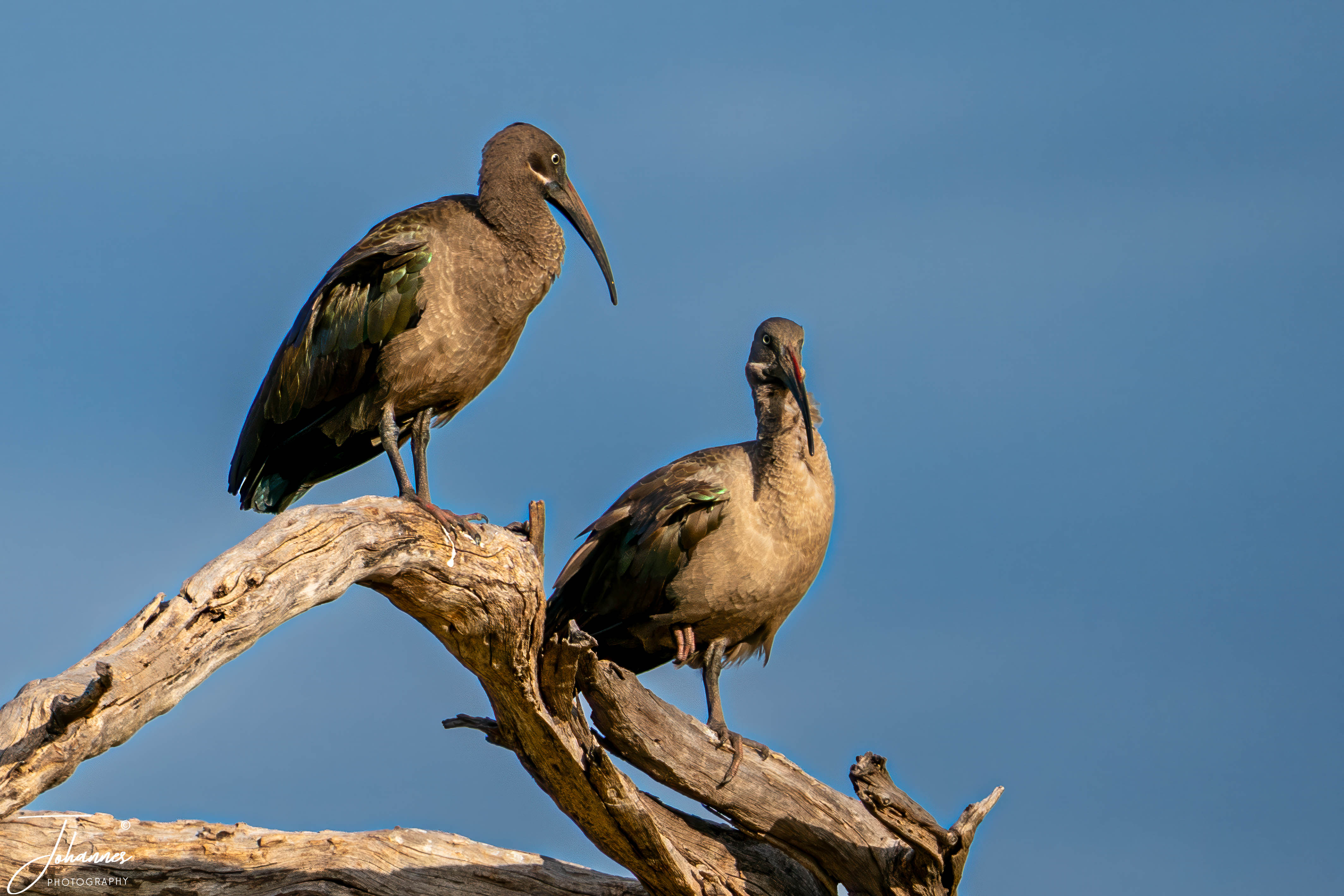
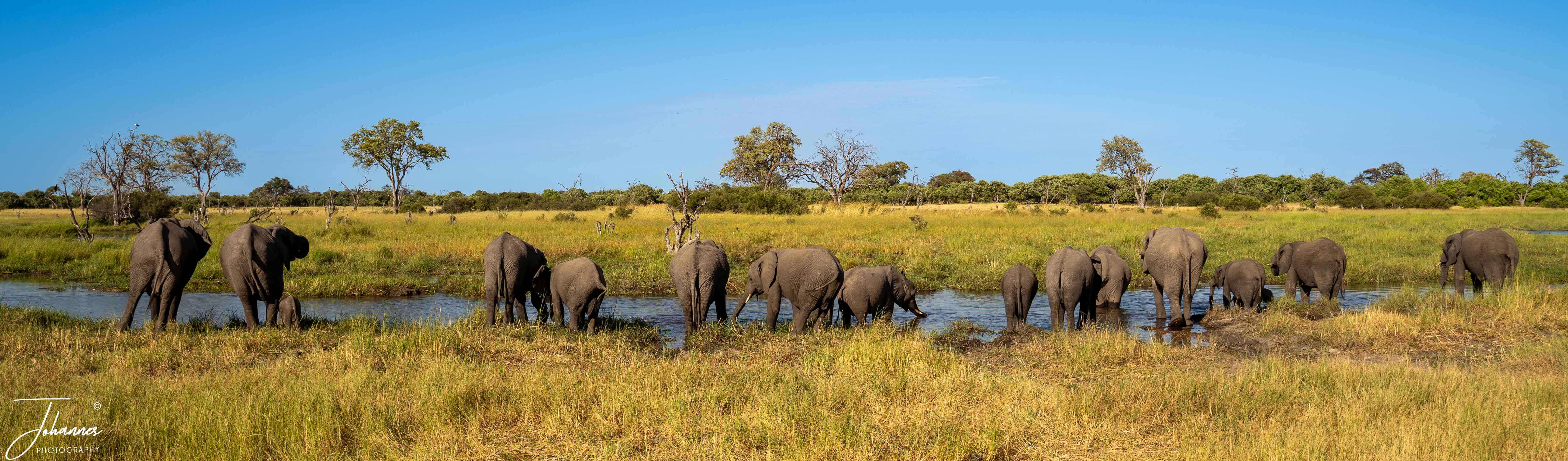
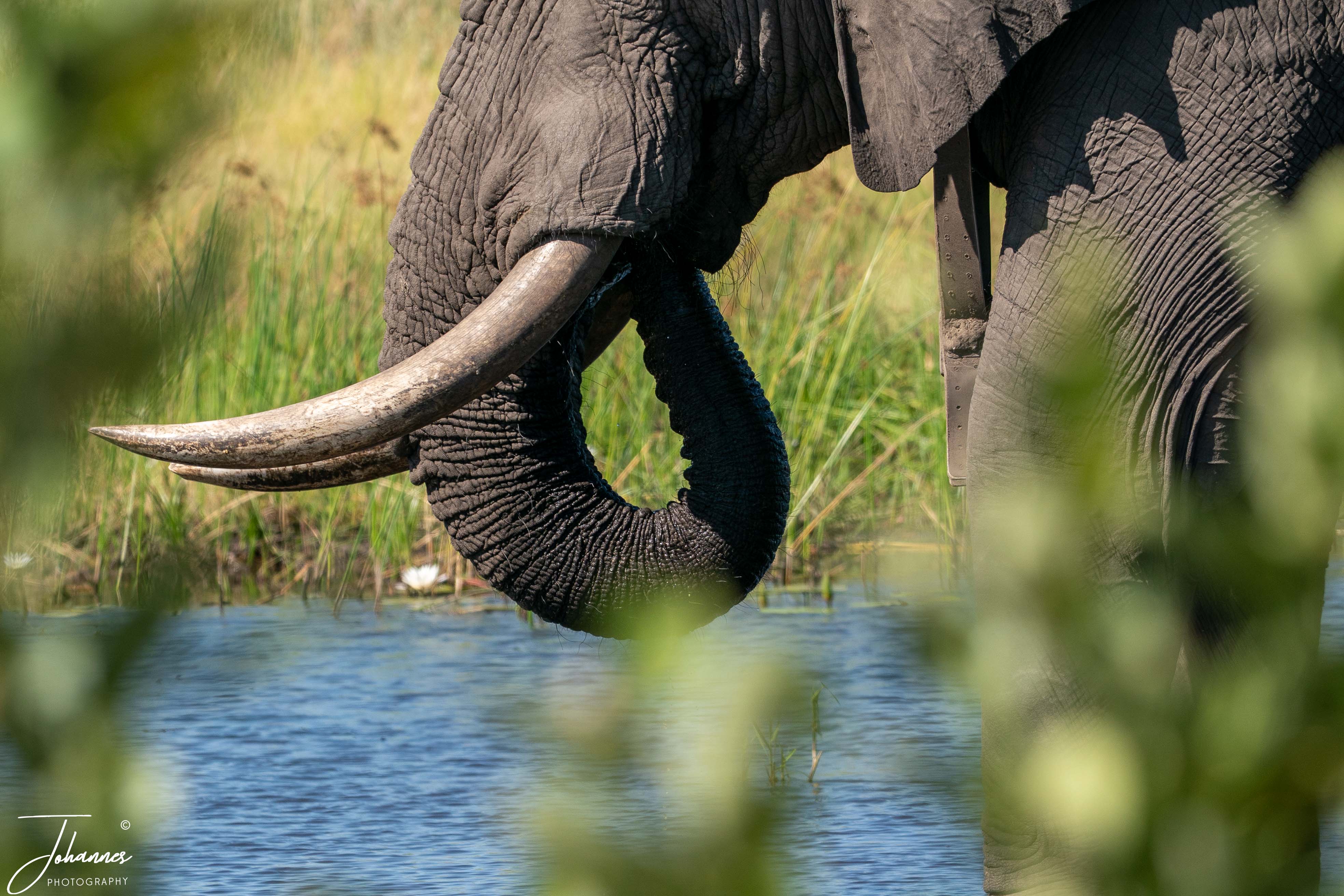
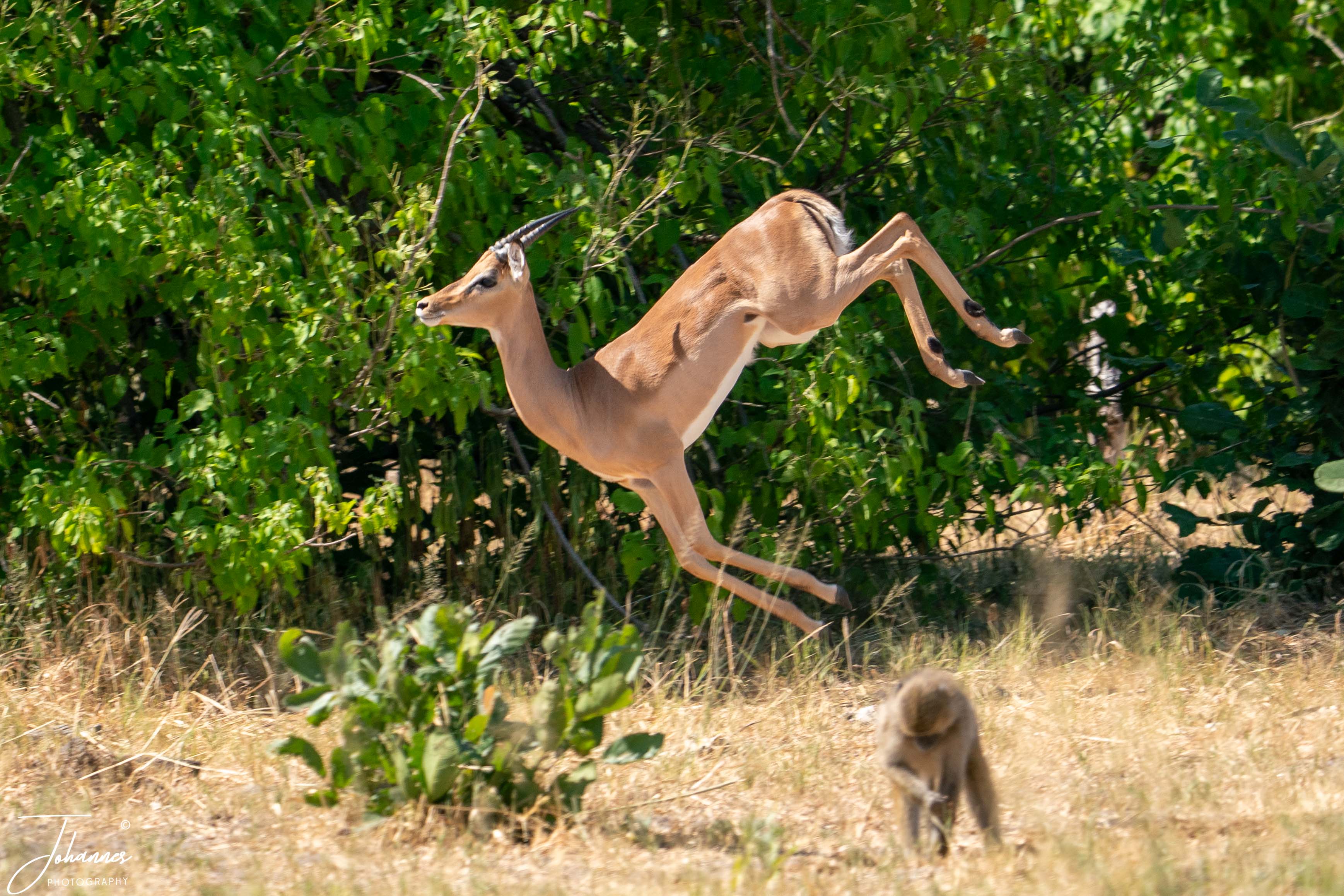
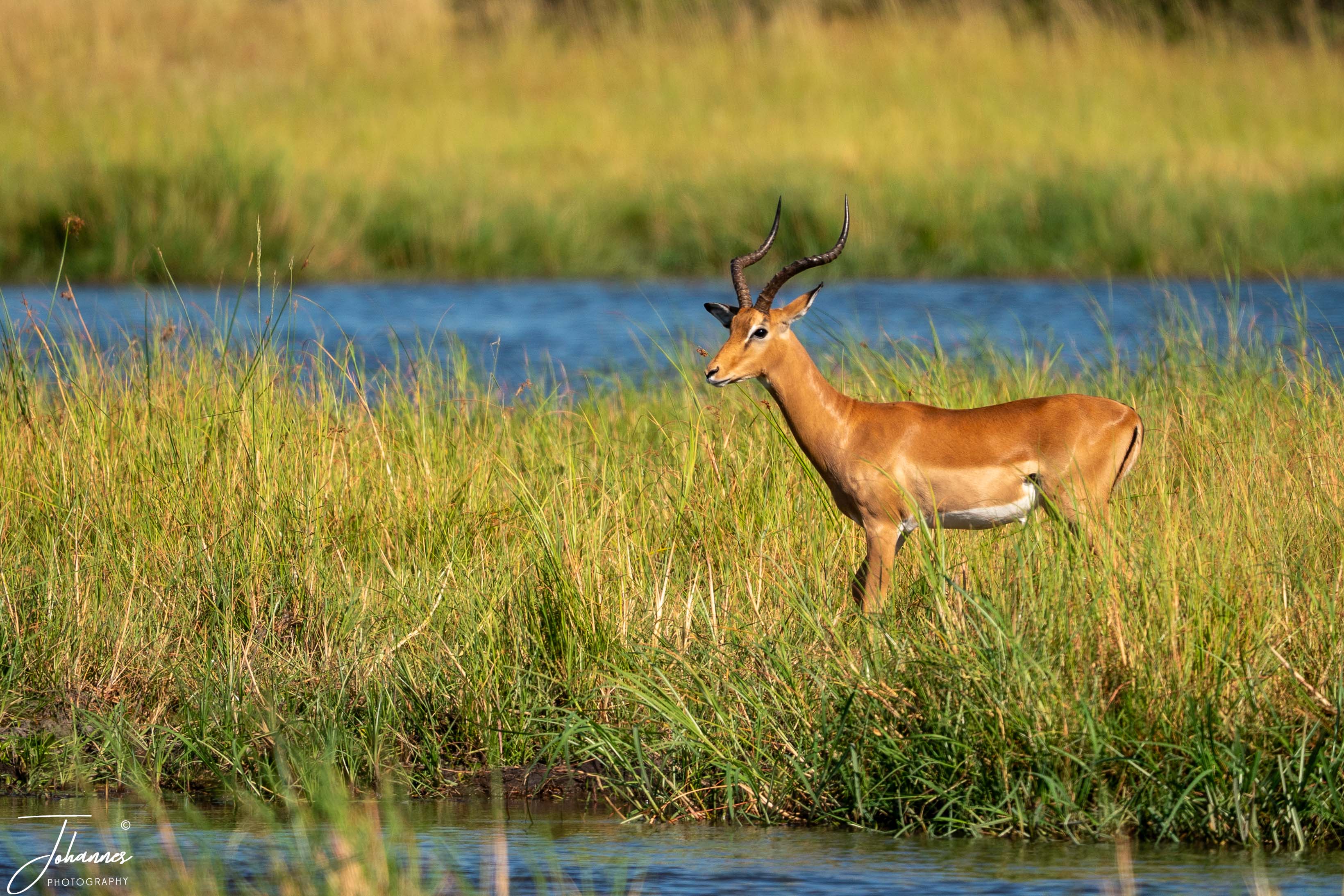
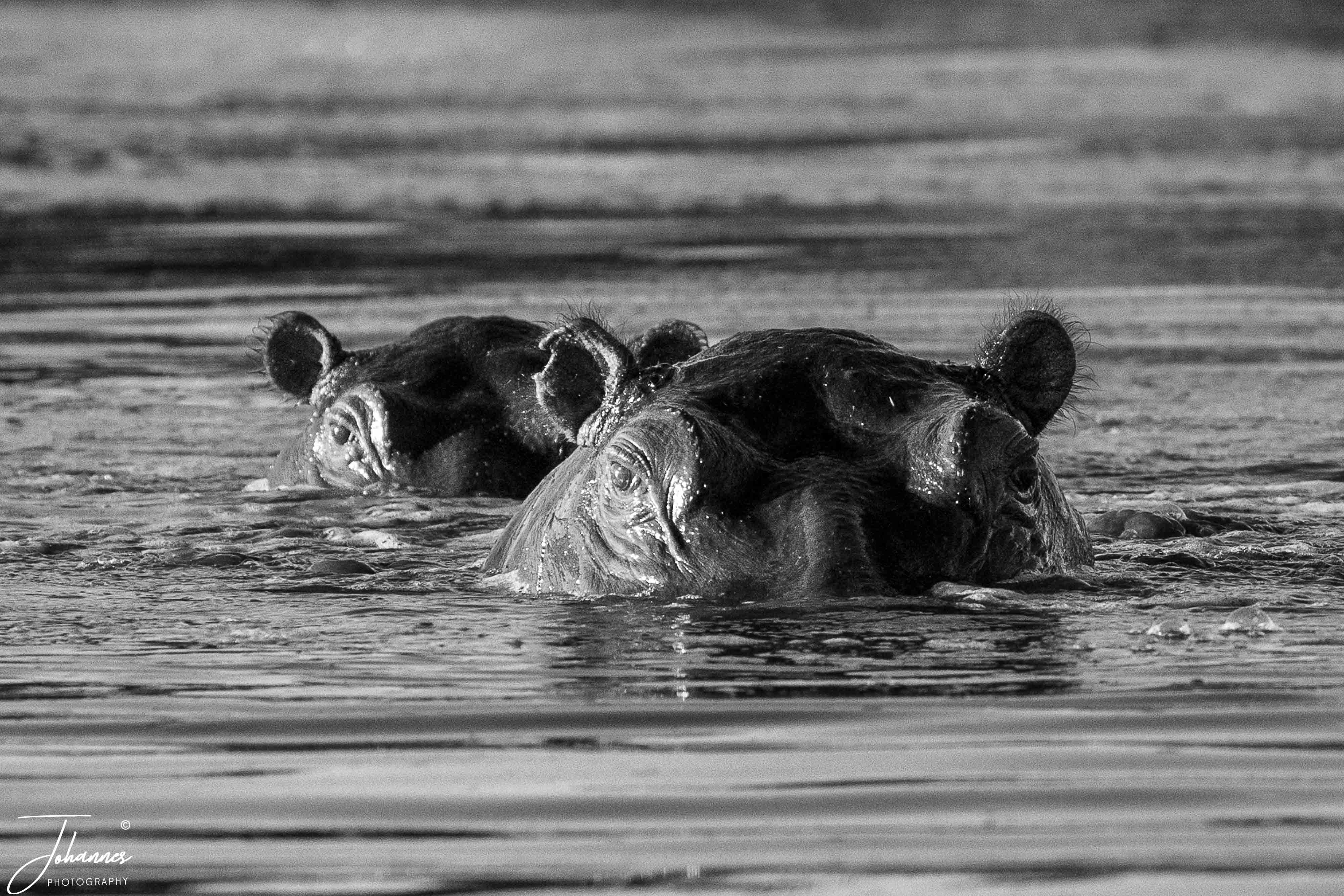
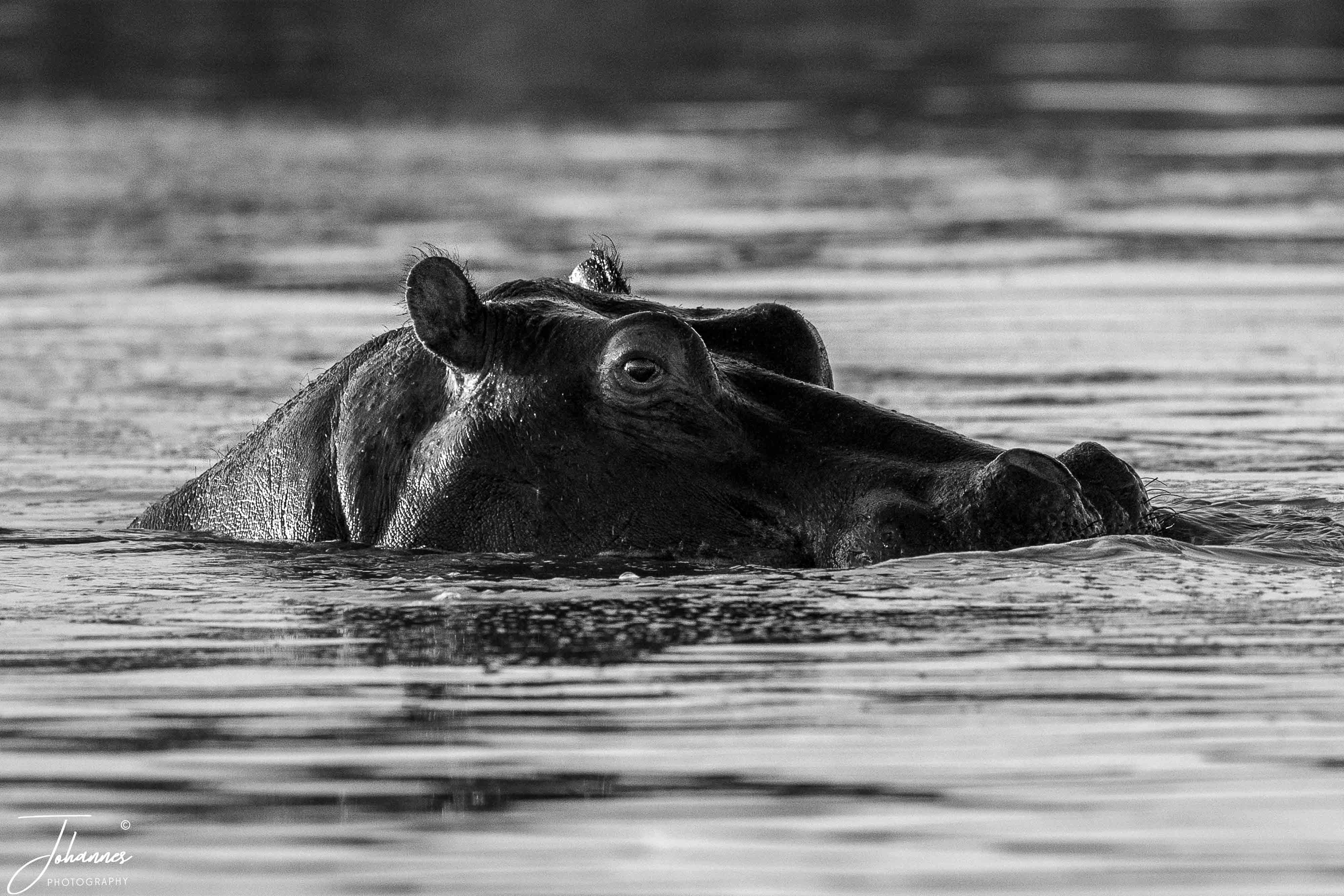
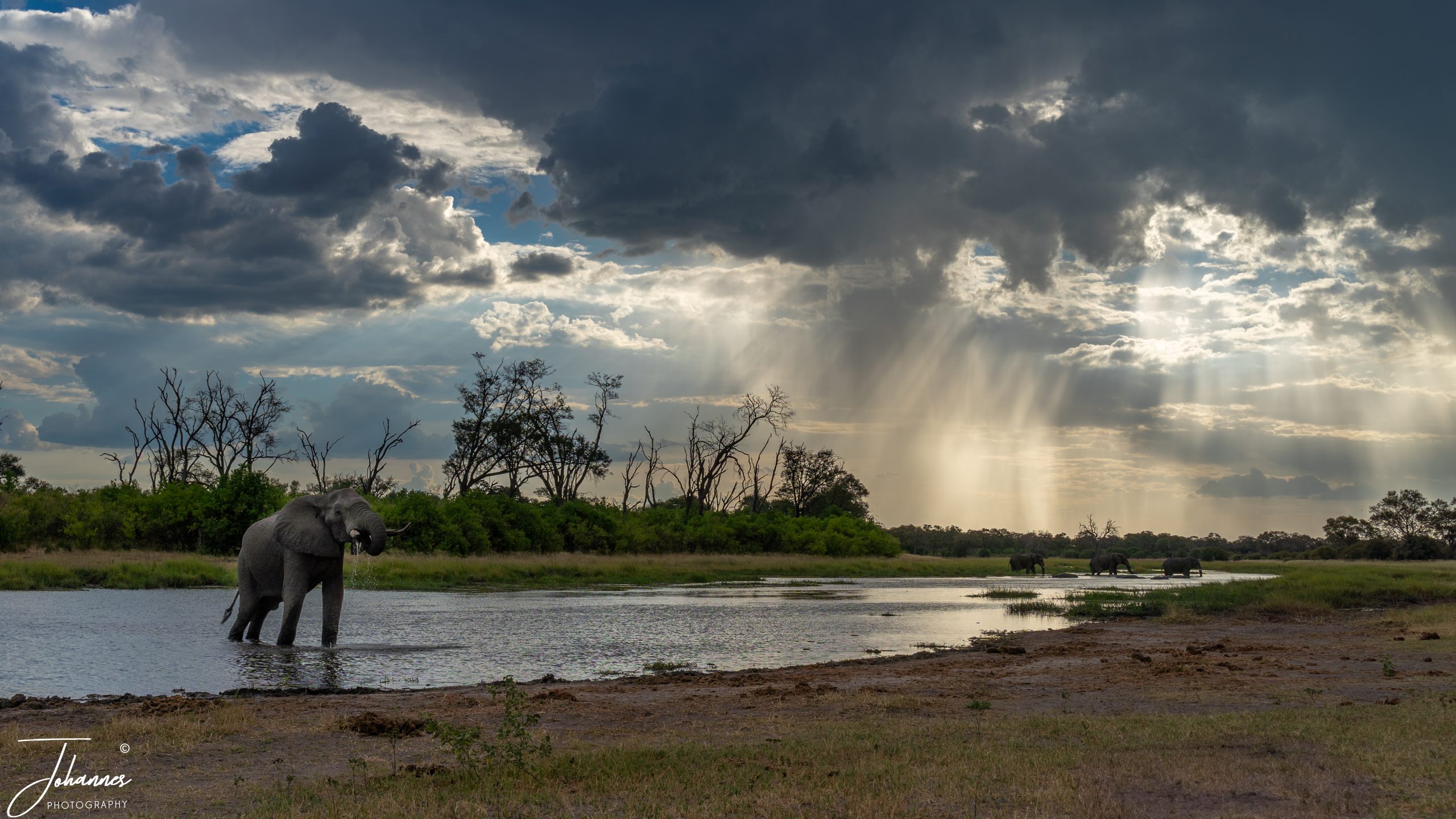
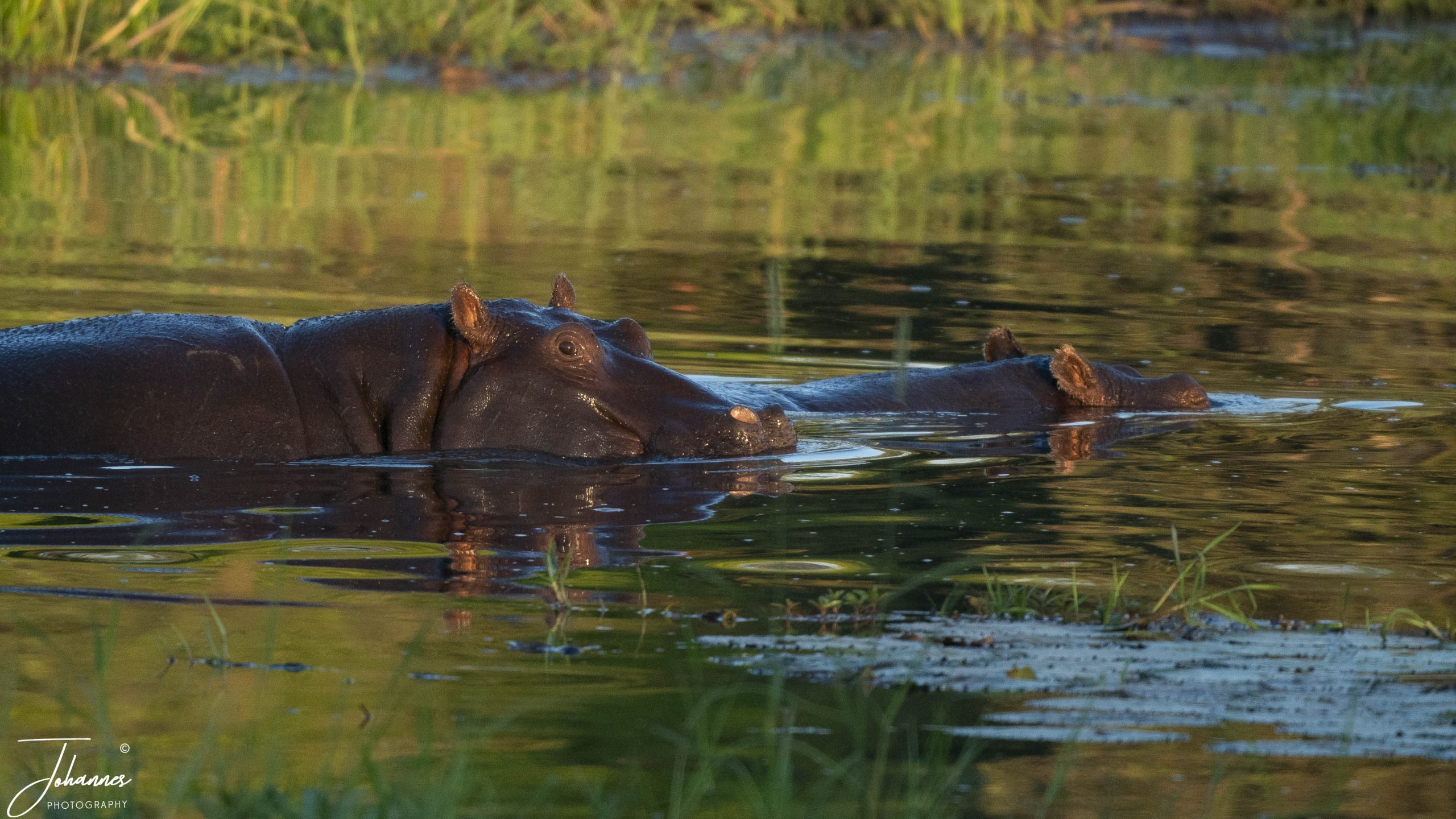
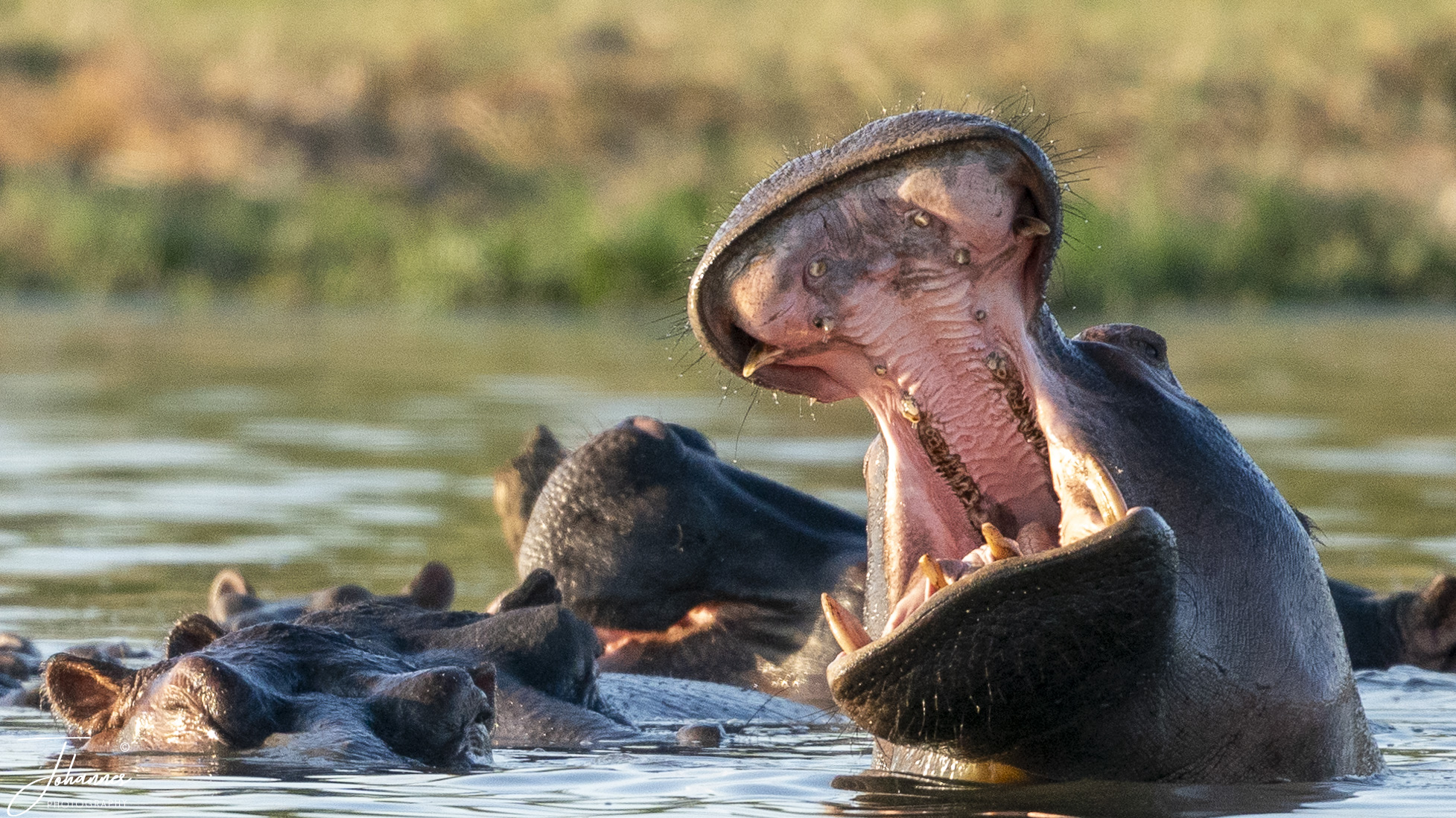
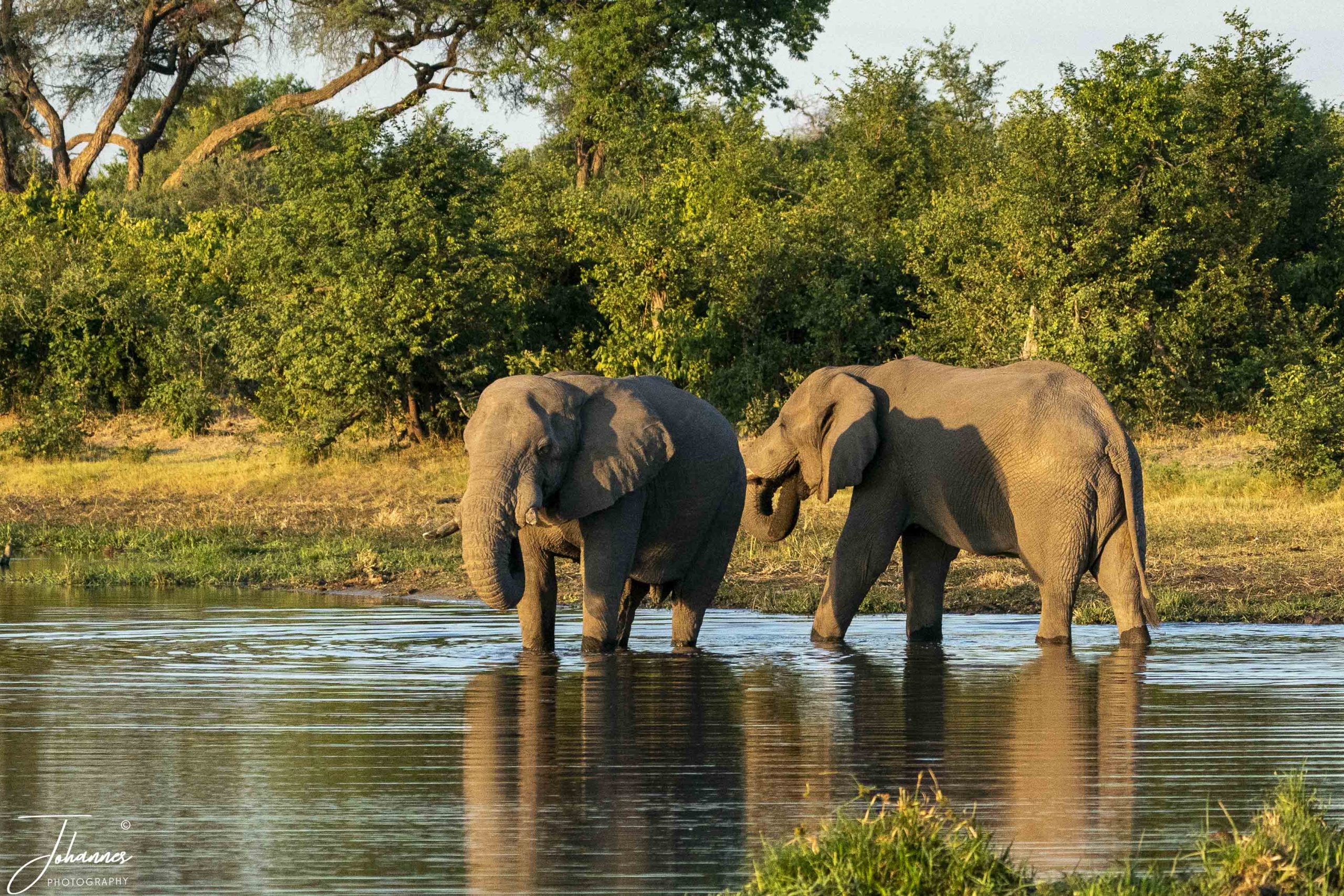
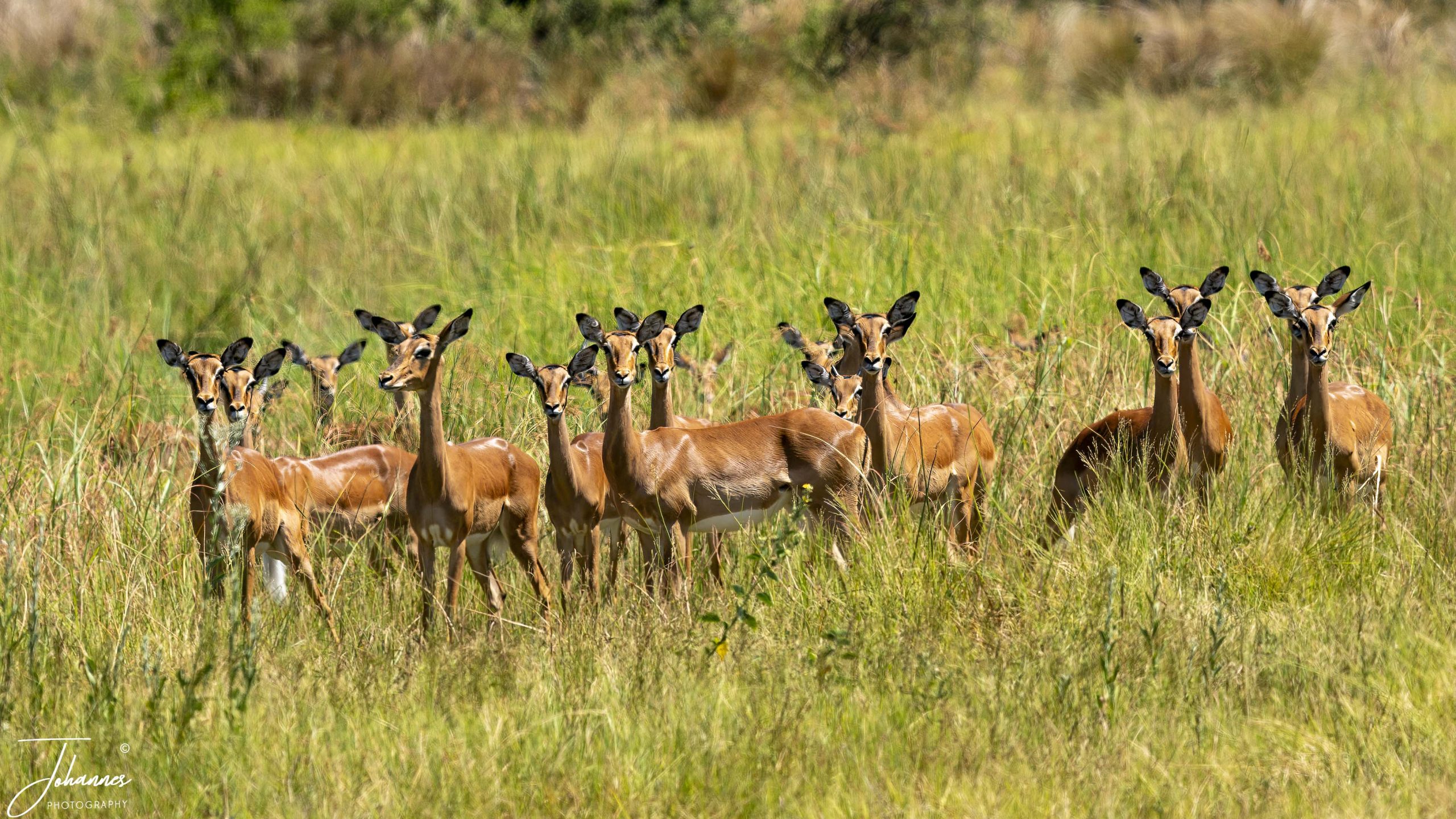
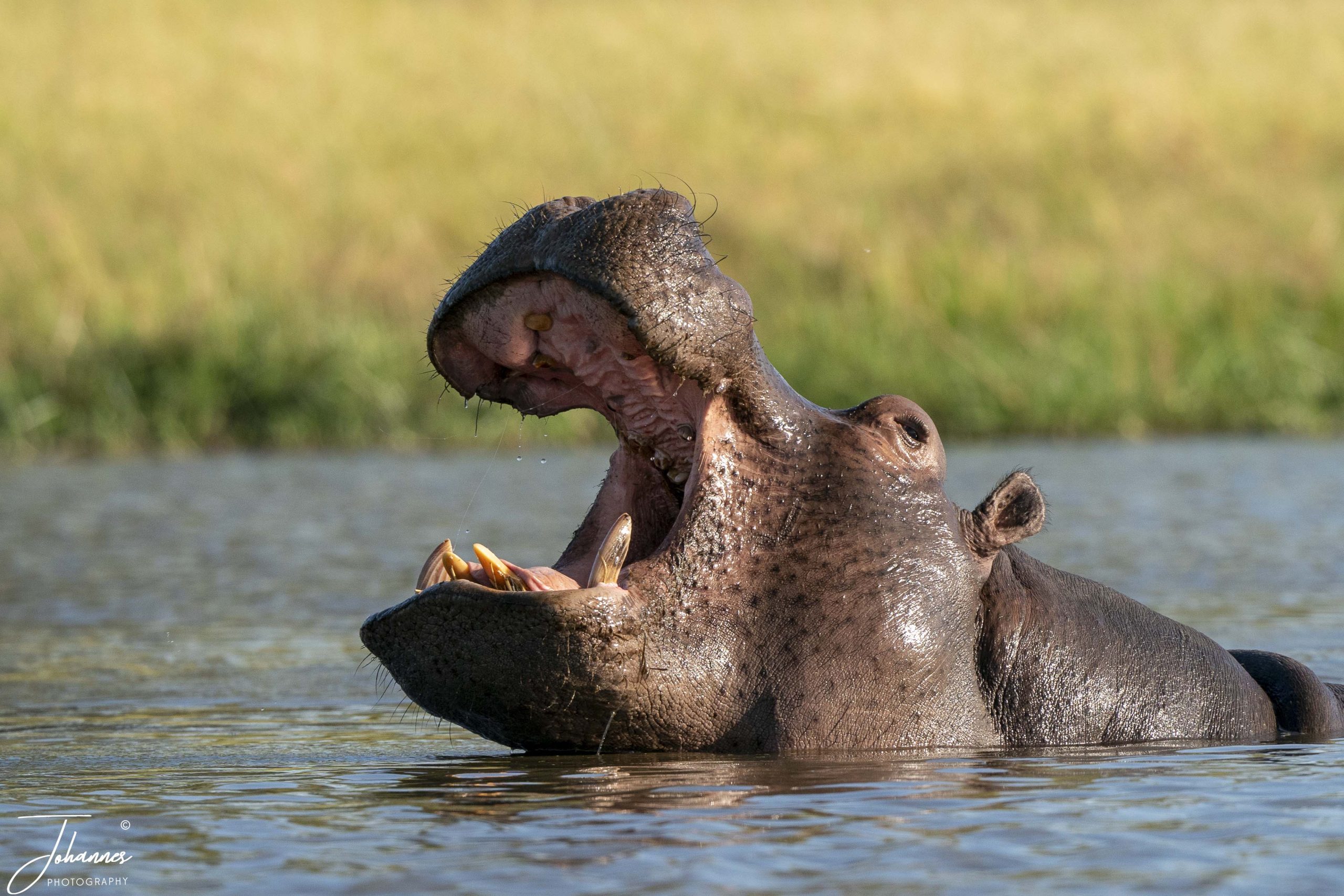
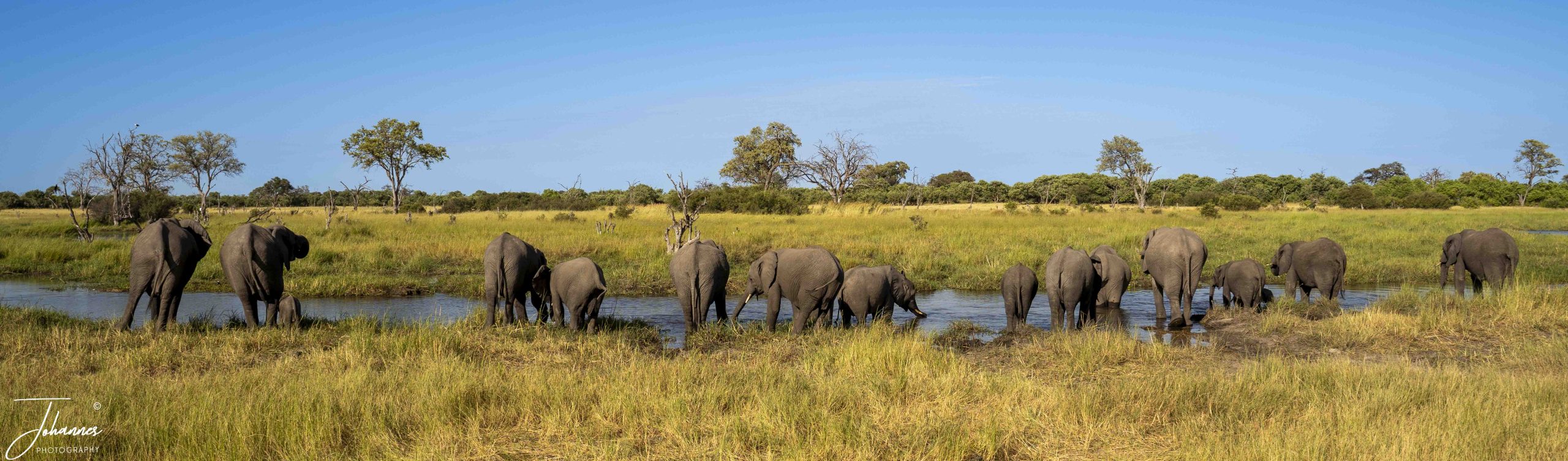
At one point, we turned onto the smaller trails and came across a large puddle. We were immediately struck by the incredible density of life: hippos were “frantically” busy in the water, countless birds lined the banks, impalas grazed nearby, and elephants emerged from the brush to drink. It was Botswana in all its glory.
Life at Camp
The sun had already set by the time we arrived at our campsite. We were met by Chris (Chef), Kelly (Trainee), and Ojay. They had set up a “party tent” where we could enjoy our meals and a large, comfortable tent for us to sleep in. On the other side of the field, Chris and Kelly ran the bush kitchen, where they prepared incredible three-course dinners. It’s unbelievable how they managed such fantastic food over a simple campfire.
The Safari Rhythm Our days followed a classic safari rhythm. The alarm went off at 5:00 AM, though Chris and Kelly were up an hour earlier to prepare breakfast. We would head out on a game drive until about 12:00 PM, then head out again from 4:00 PM until around 7:00 or 8:00 PM.
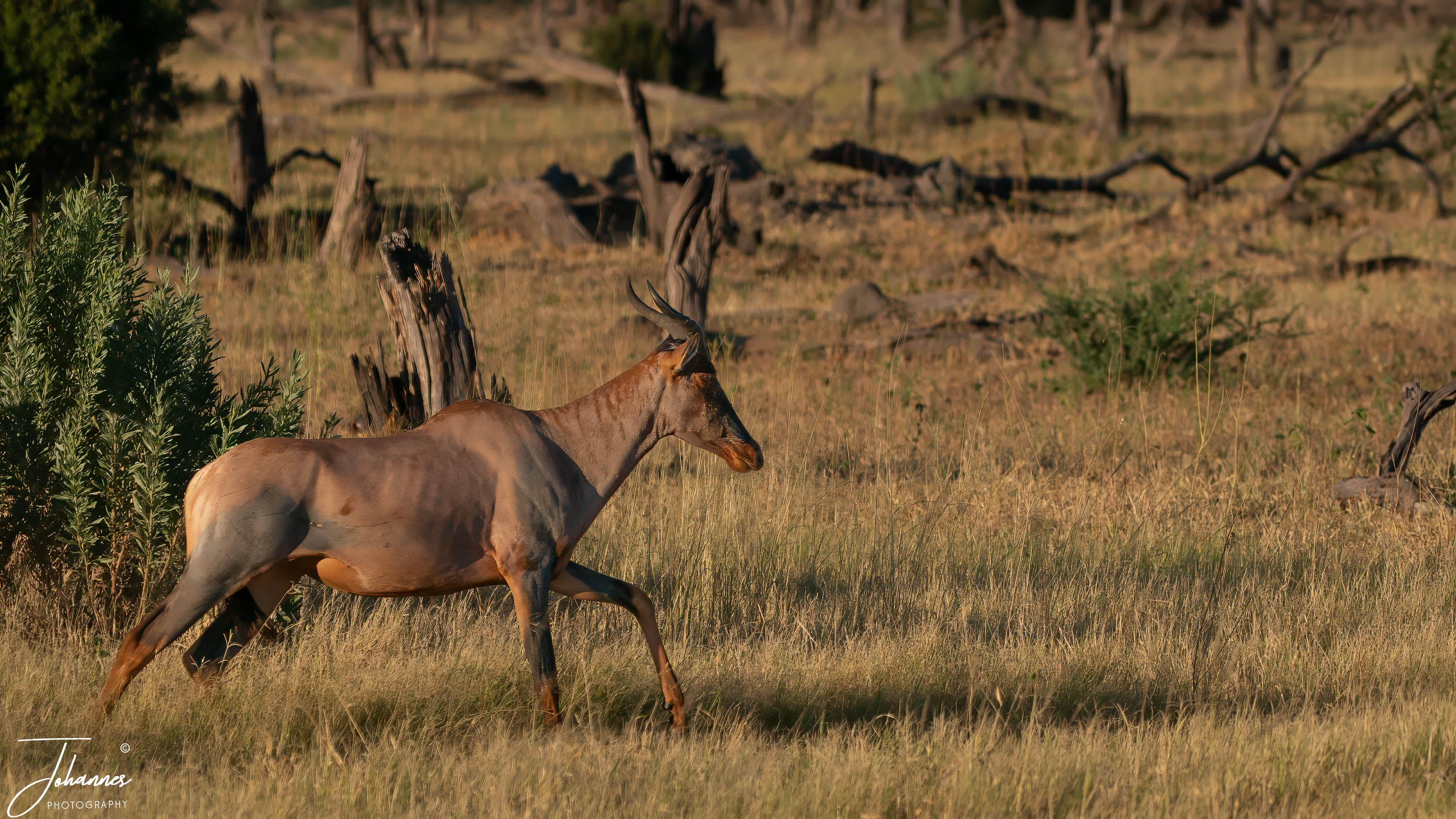
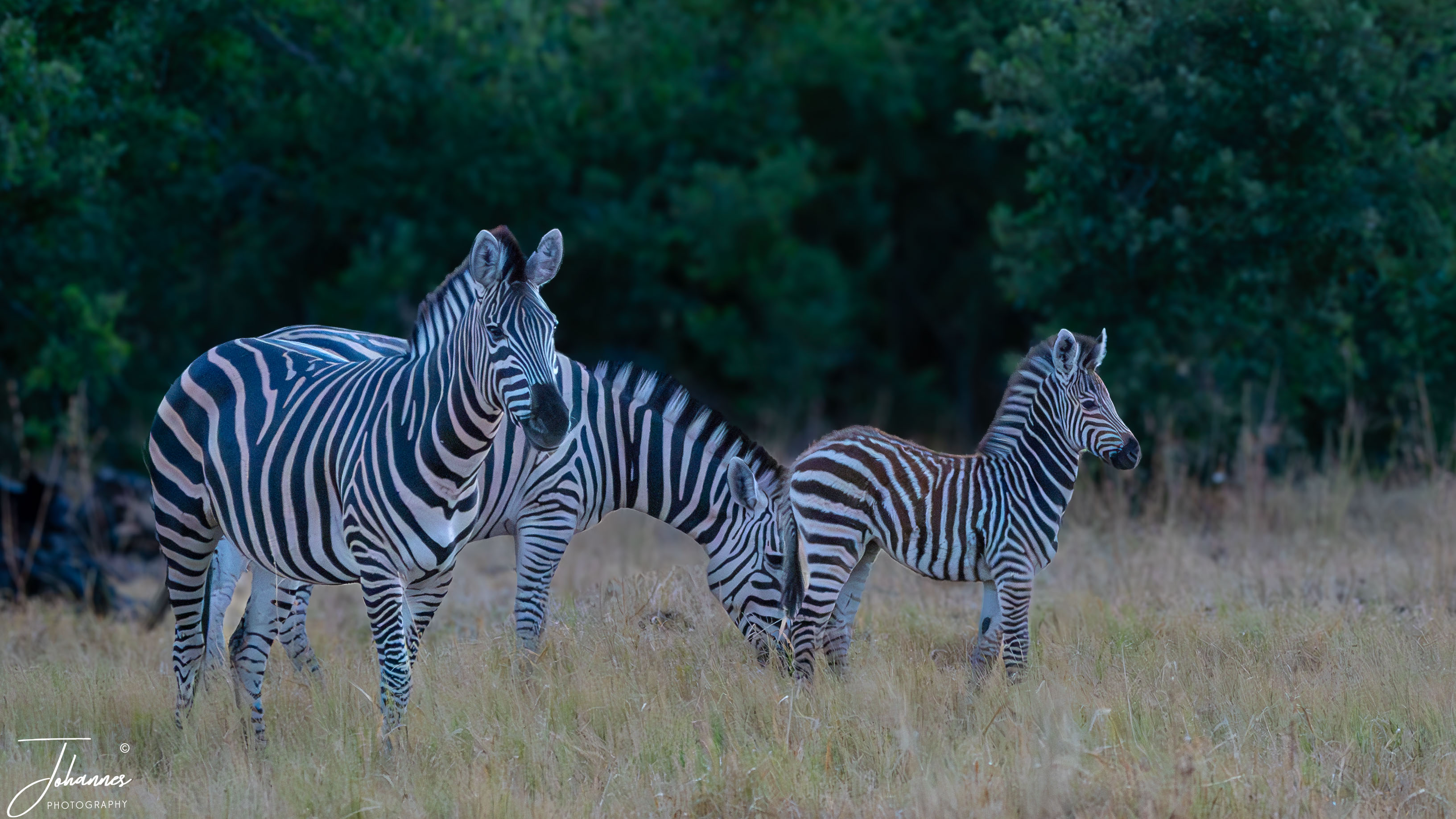
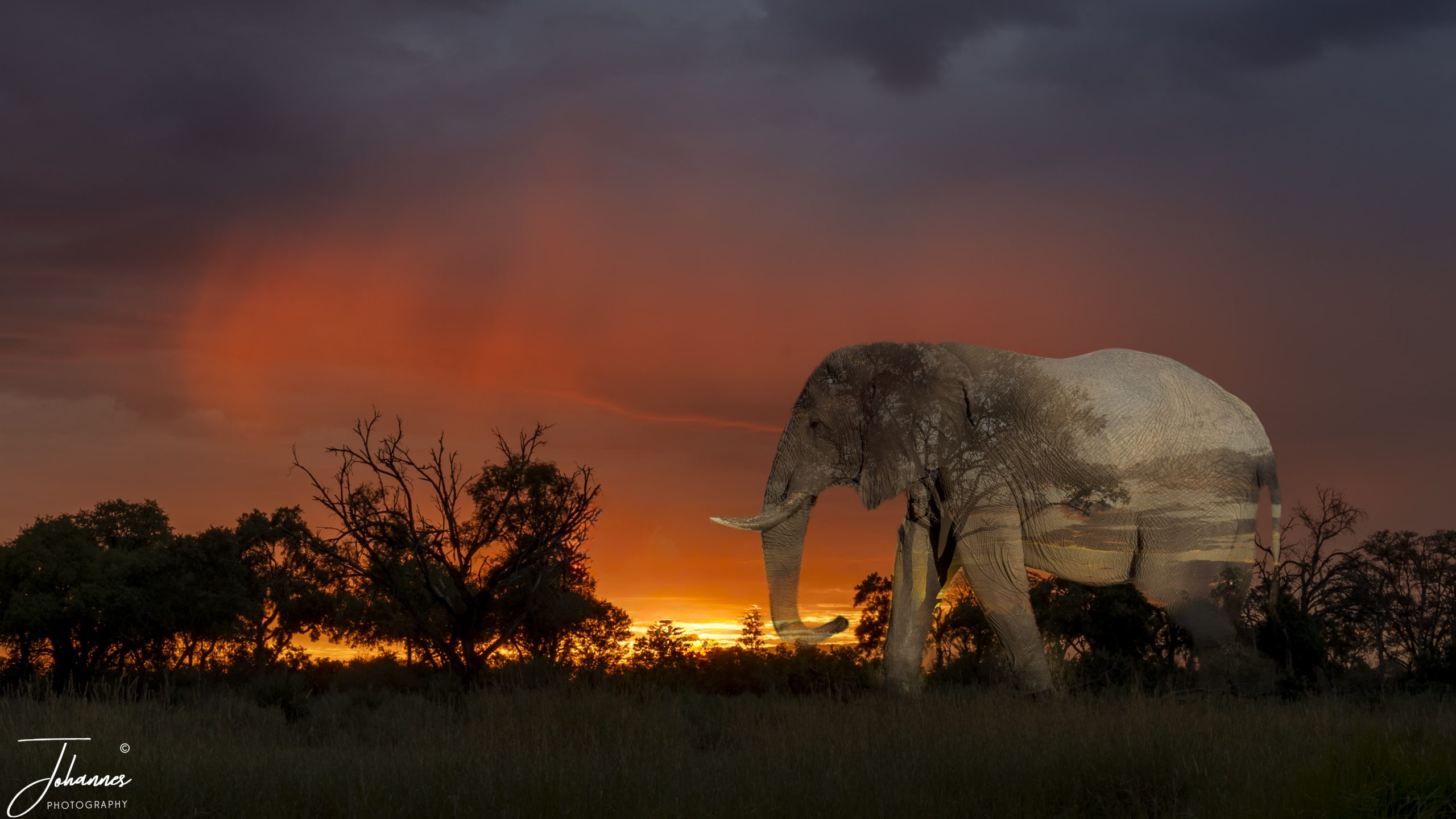
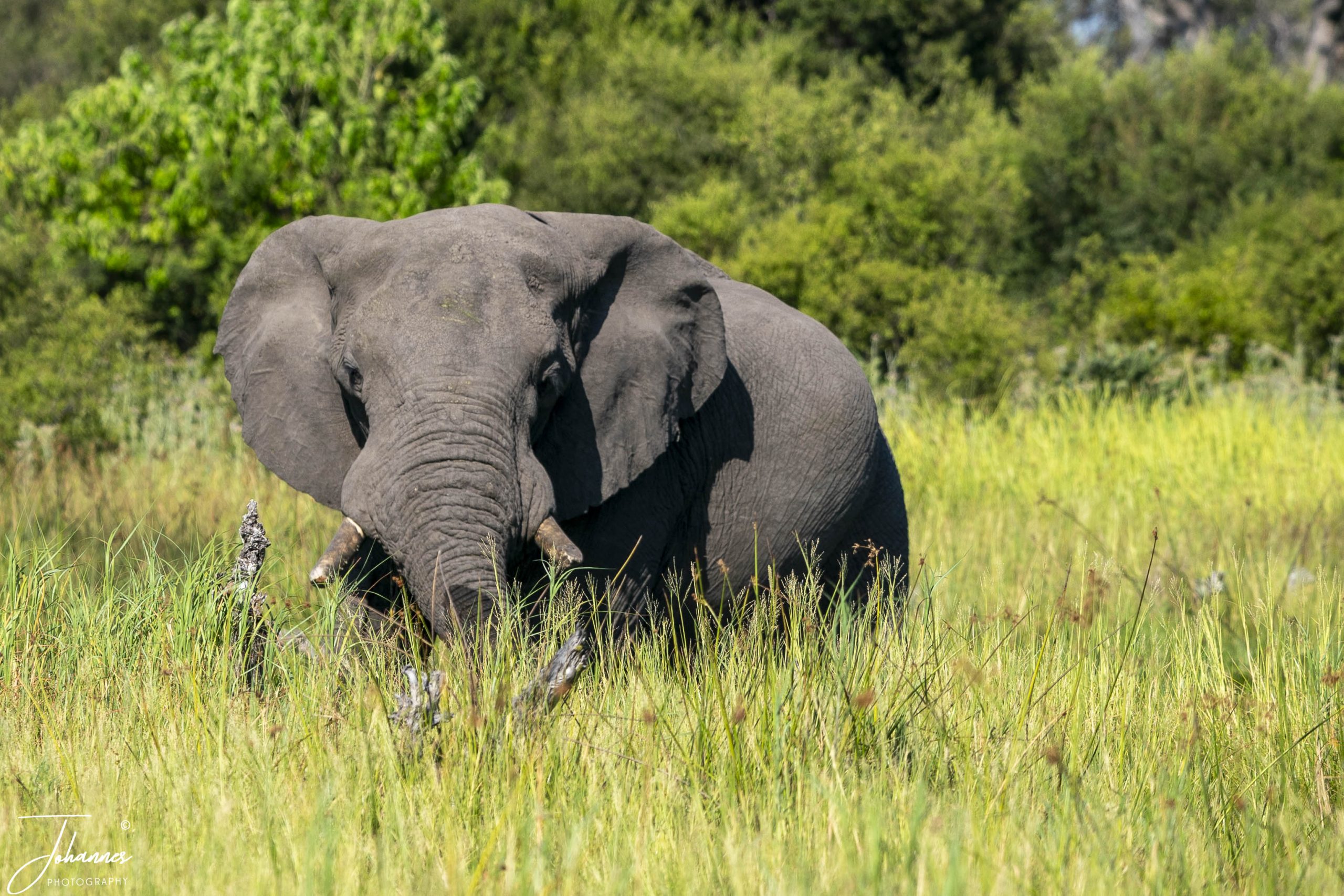
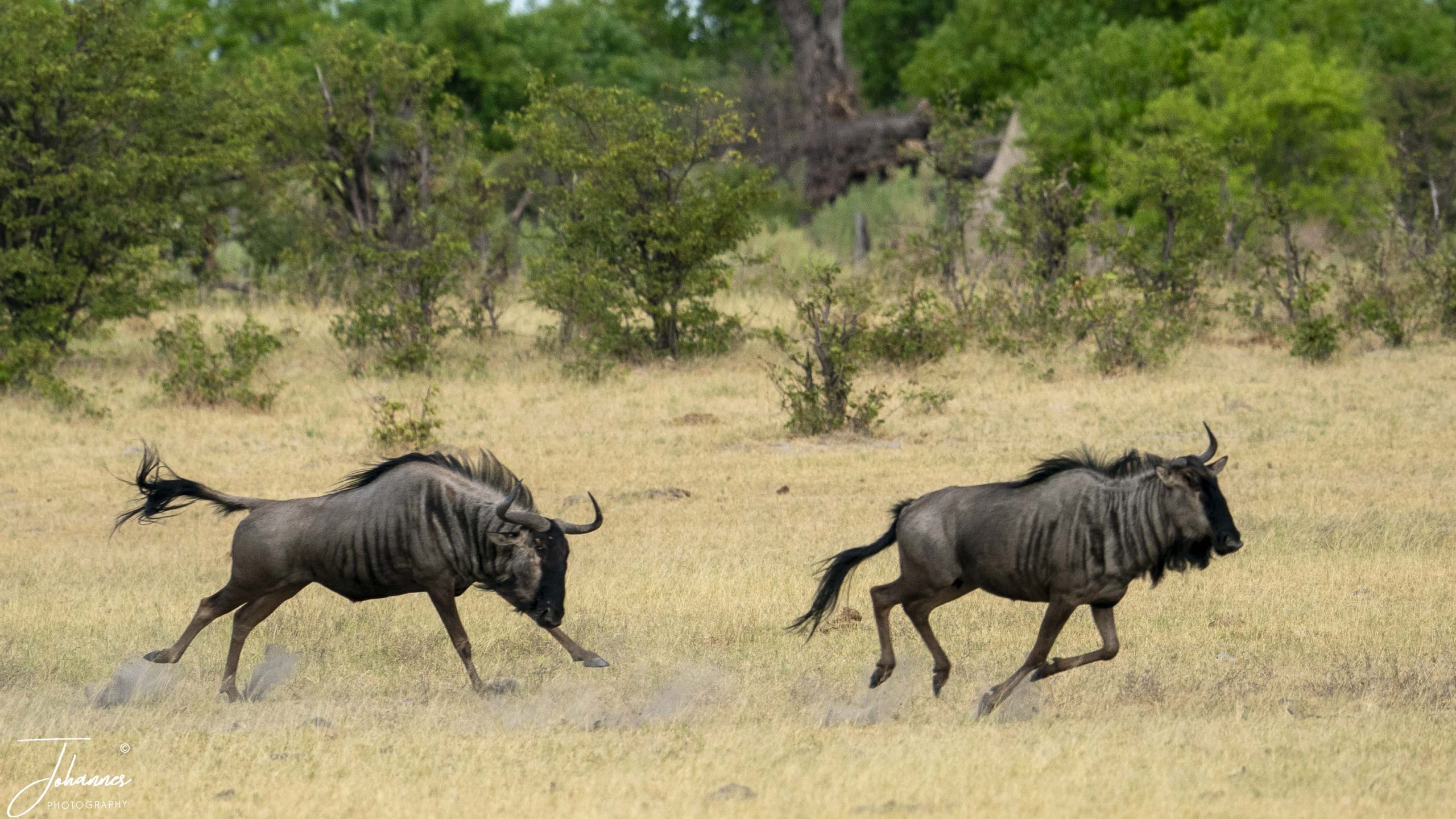
Time was never an issue, and Julias clearly enjoyed spotting the game just as much as we did. During the heat of the afternoon, when the animals retreated to sleep, we did the same—resting and reviewing our photos. The sheer number of animals is staggering. On the first day, you are overjoyed to see a single elephant; by the end of the trip, you’ve seen so many that they become a beautiful, natural part of your daily landscape.
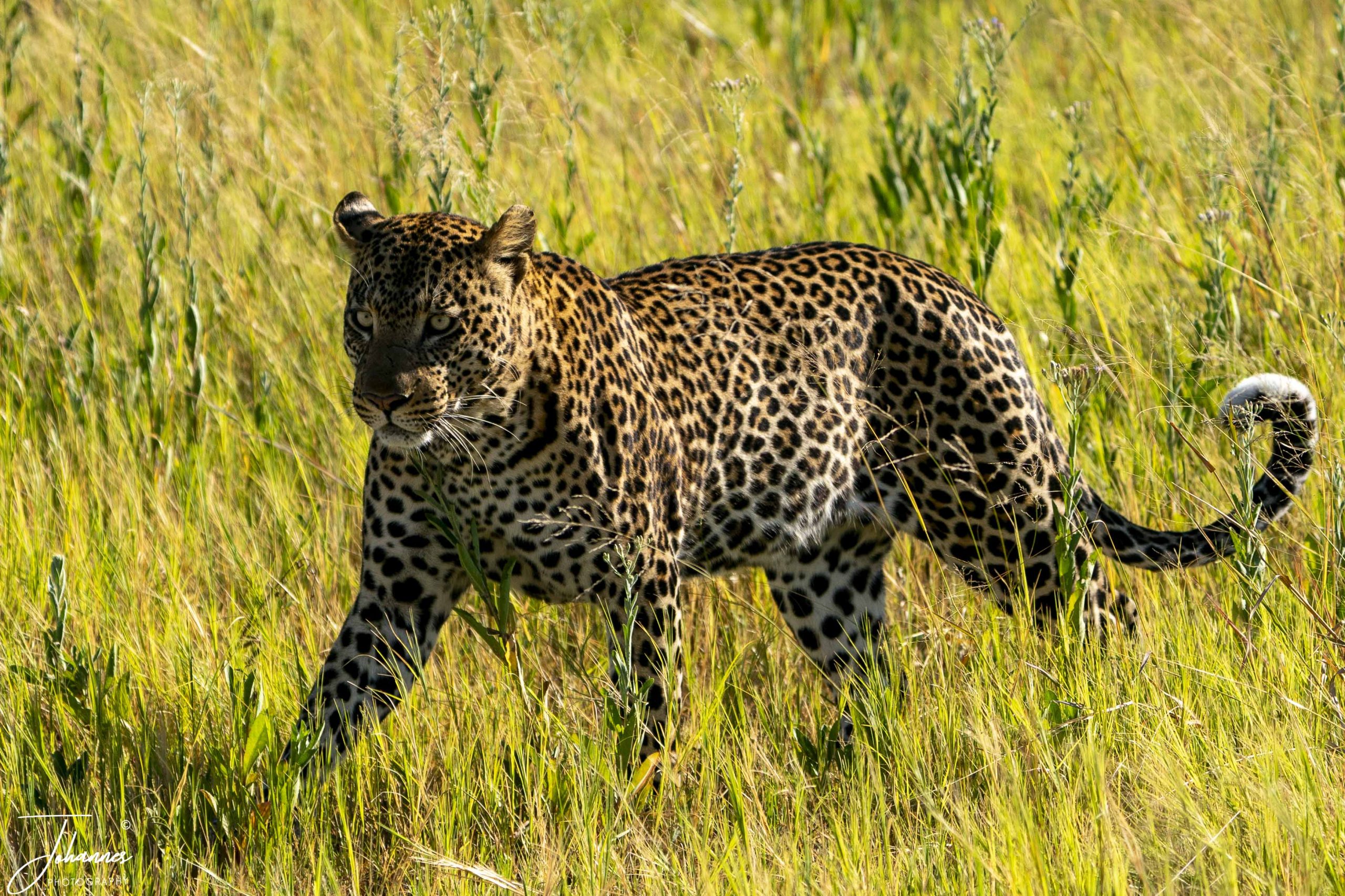
The guides stay connected via long-range radios, ensuring they know where the action is. For instance, if a leopard is spotted—one of the most popular animals to see—the word spreads quickly, and several jeeps may gather to witness the sight.
The Okavango Delta: Silence and Scenery
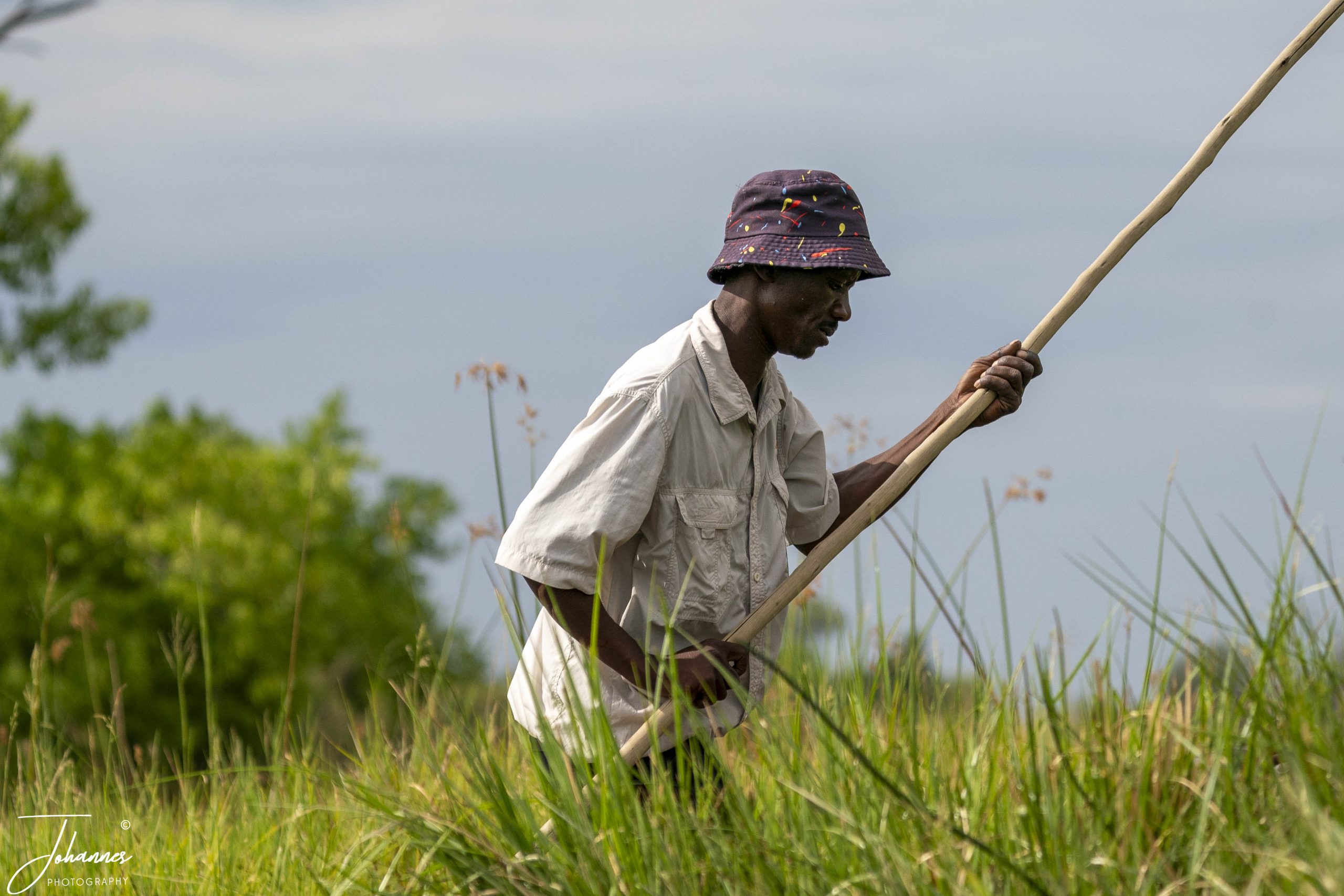
After four days in Moremi, we moved on to the Okavango Delta. Here, we traveled by mokoro—traditional dugout boats guided by “polers.” These polers stand at the back and use long poles to push the boat forward. Even though it was technically the rainy season, the water levels were quite low, and the poles regularly scraped the bottom. It’s fascinating to know that the water travels all the way from the north and takes six months to reach the Delta.
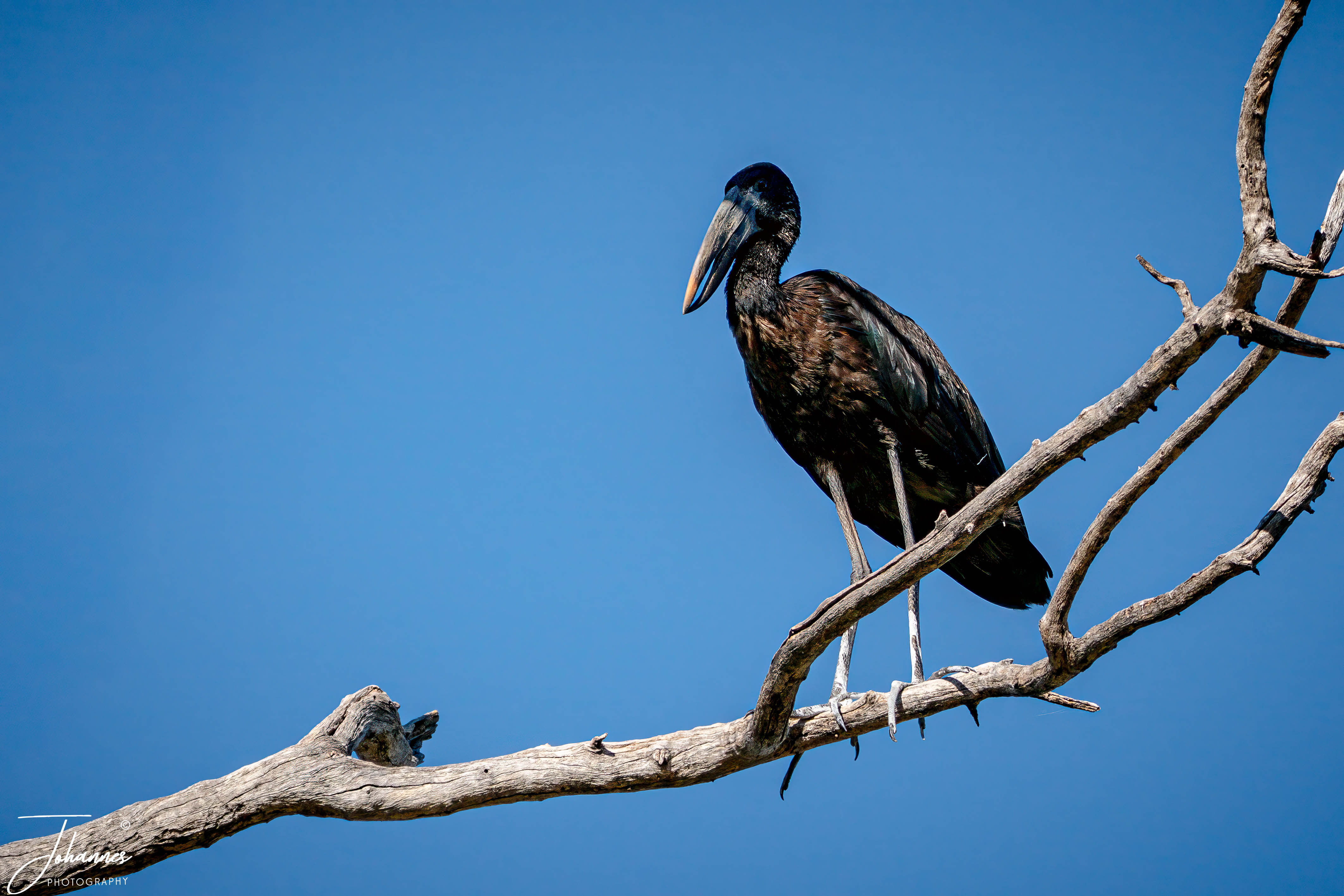
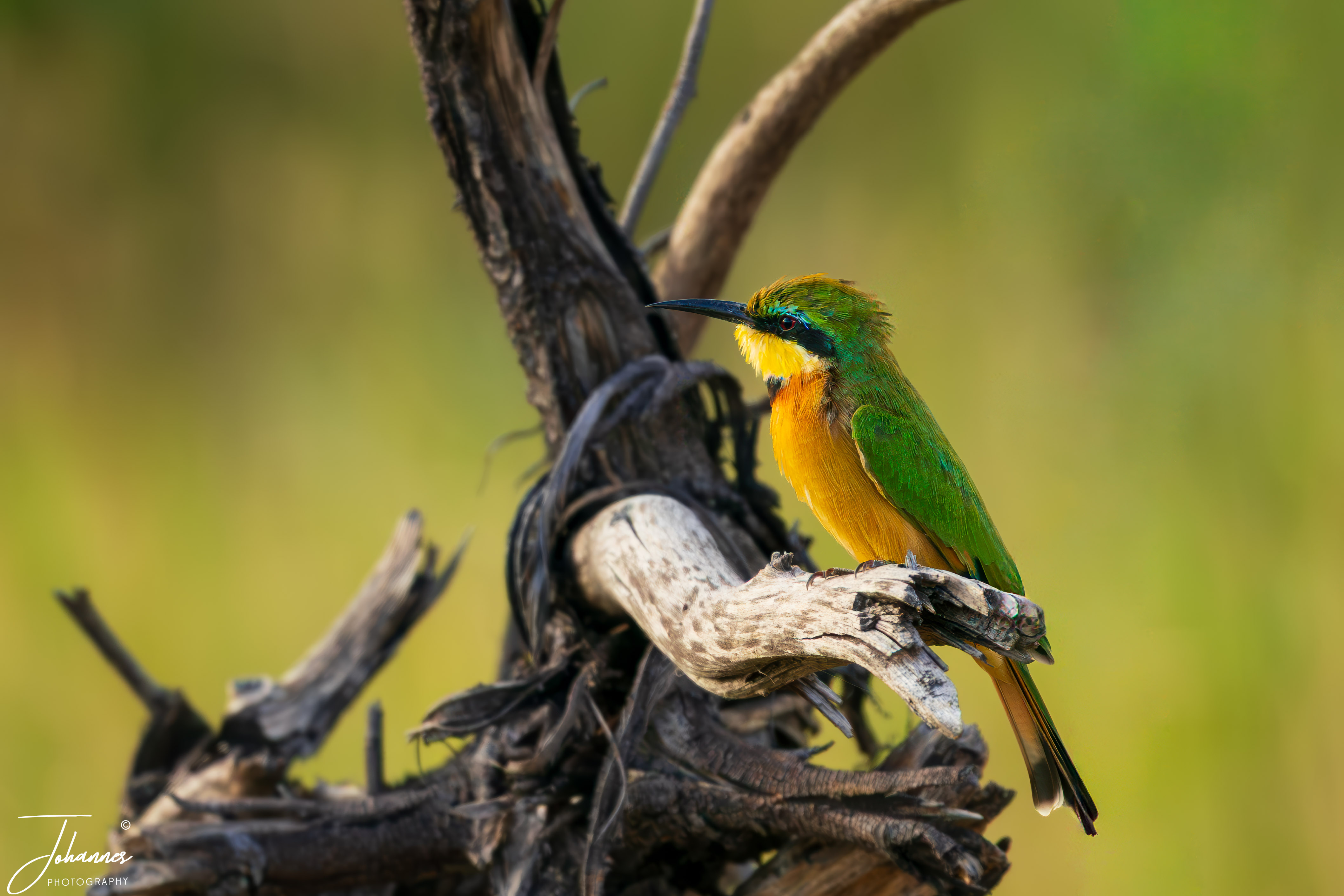
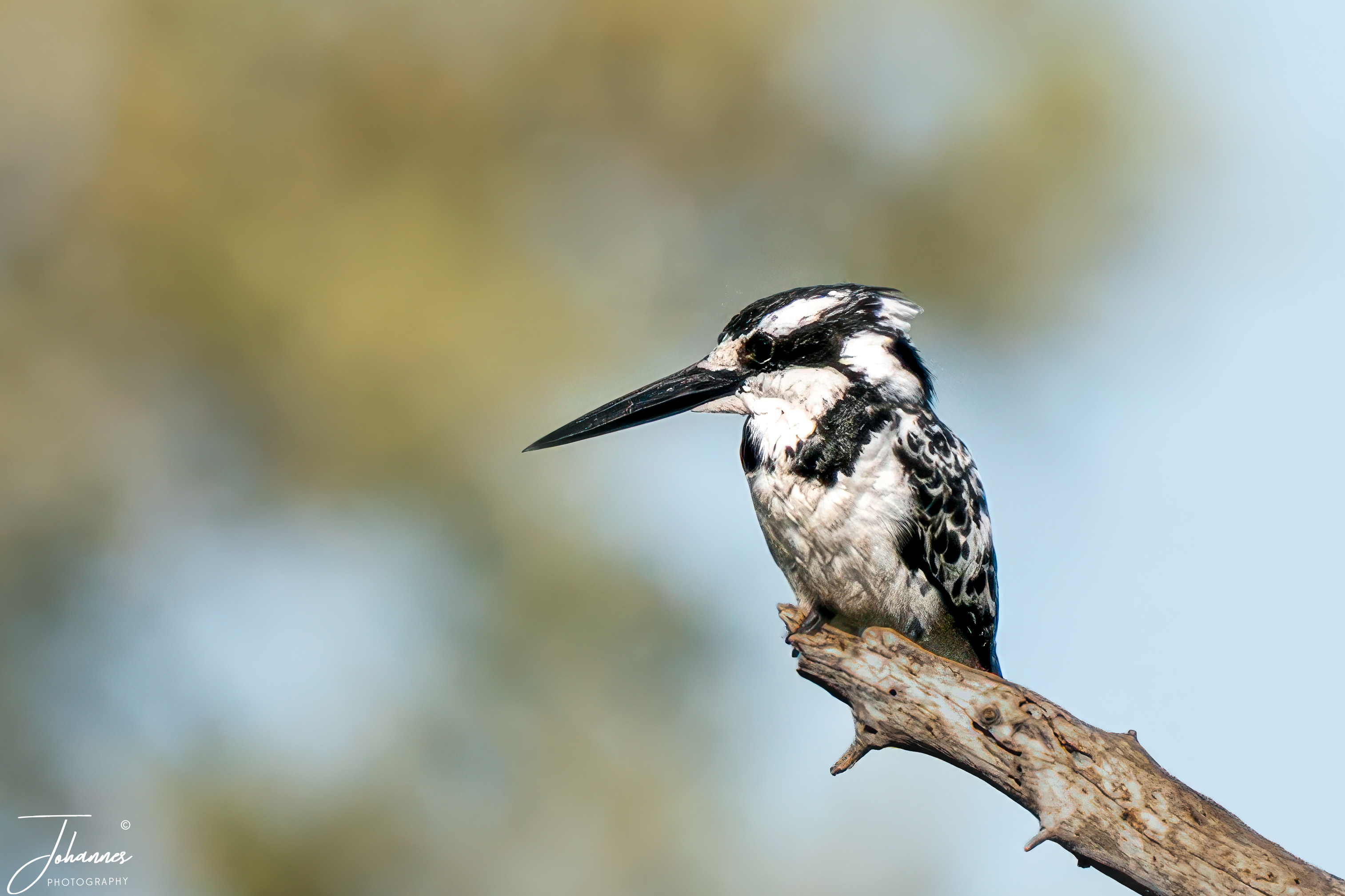
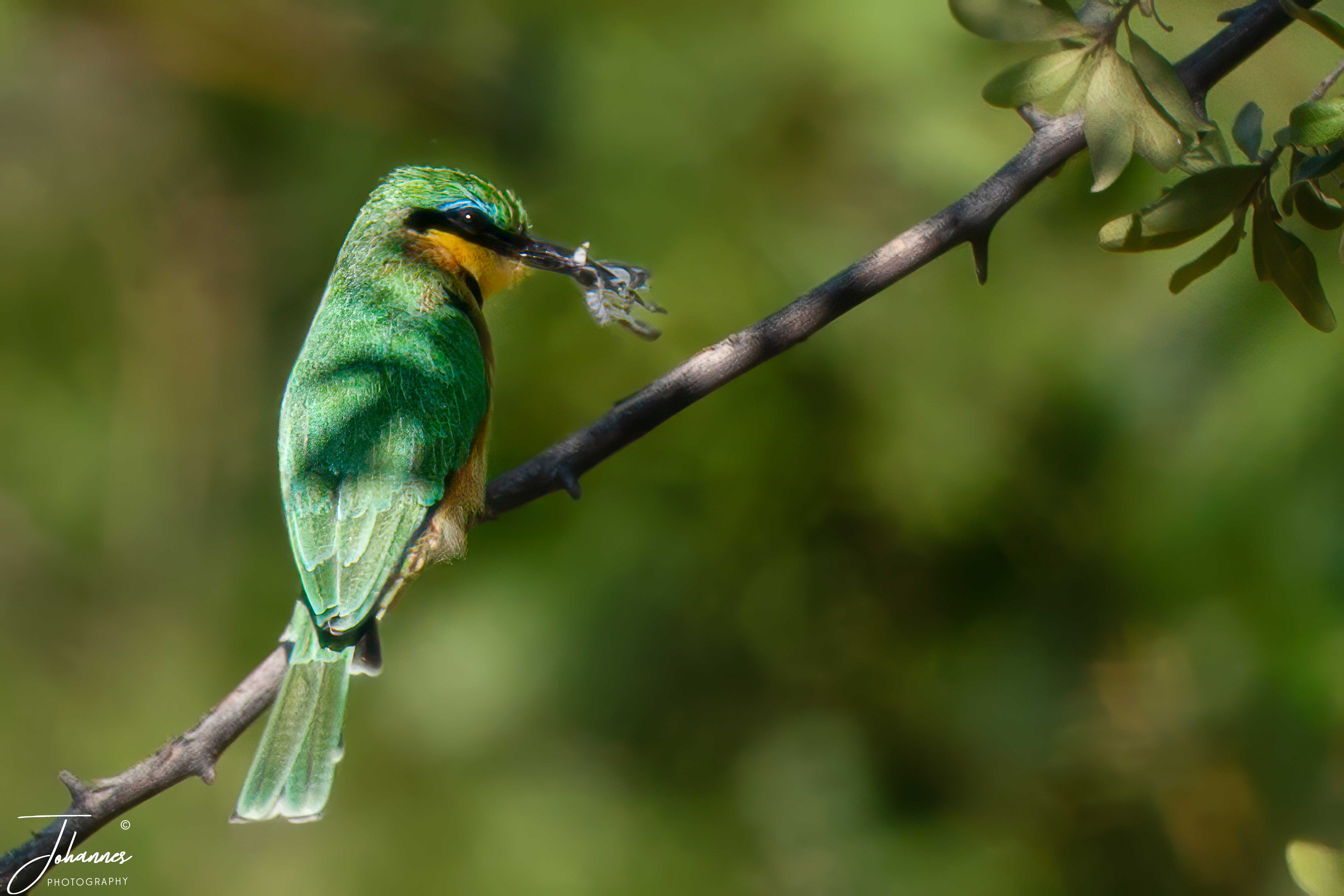
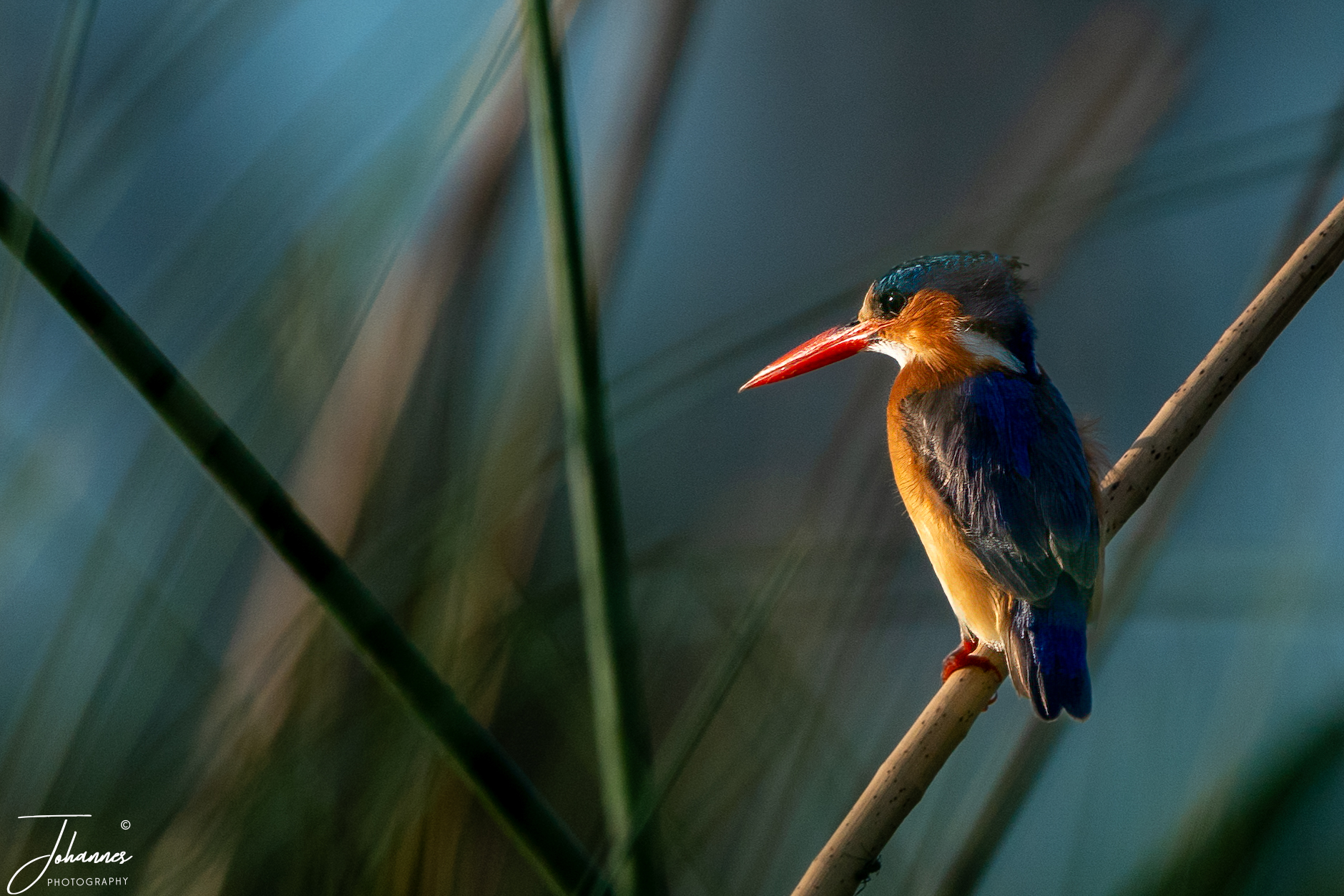
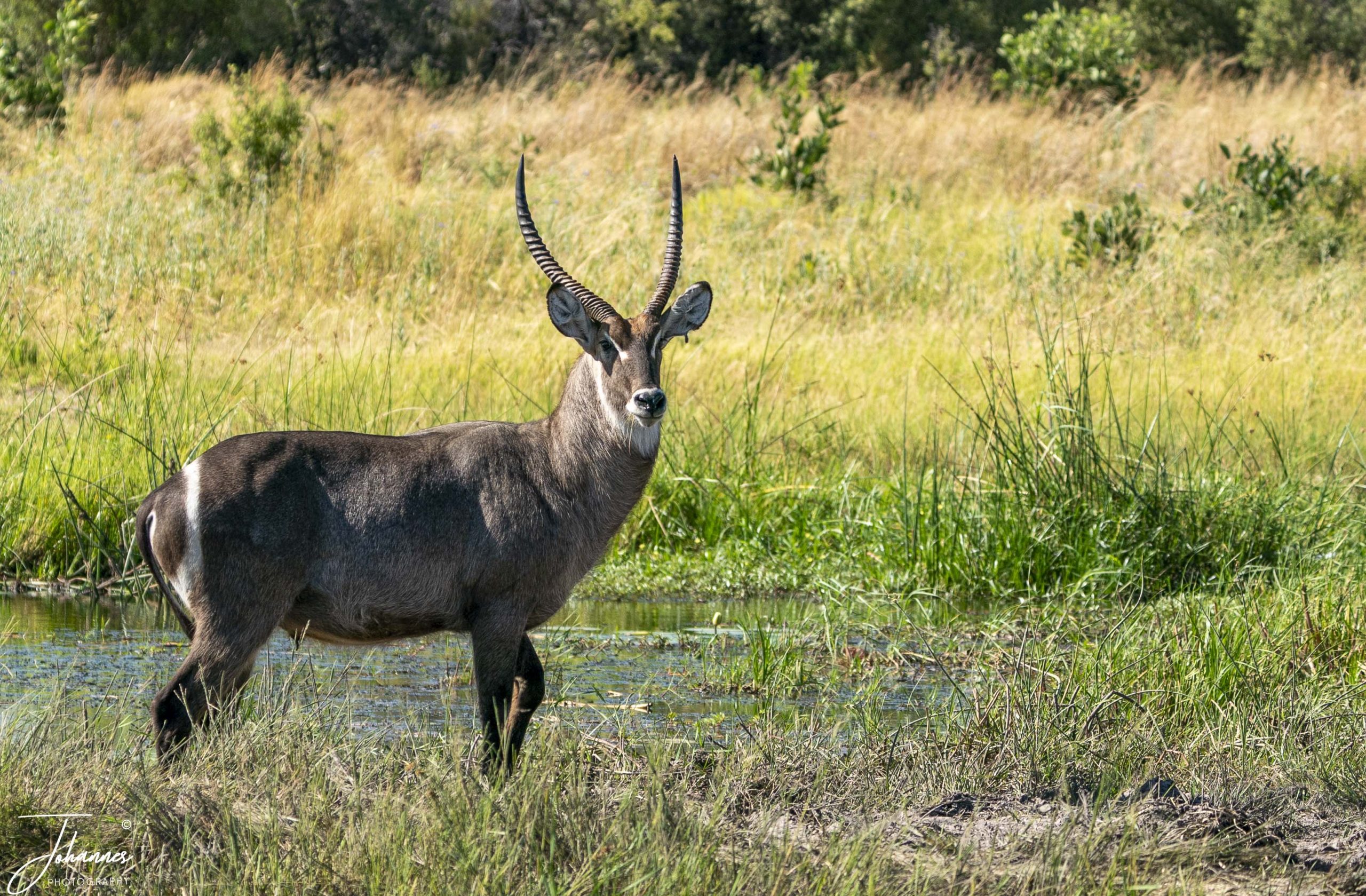
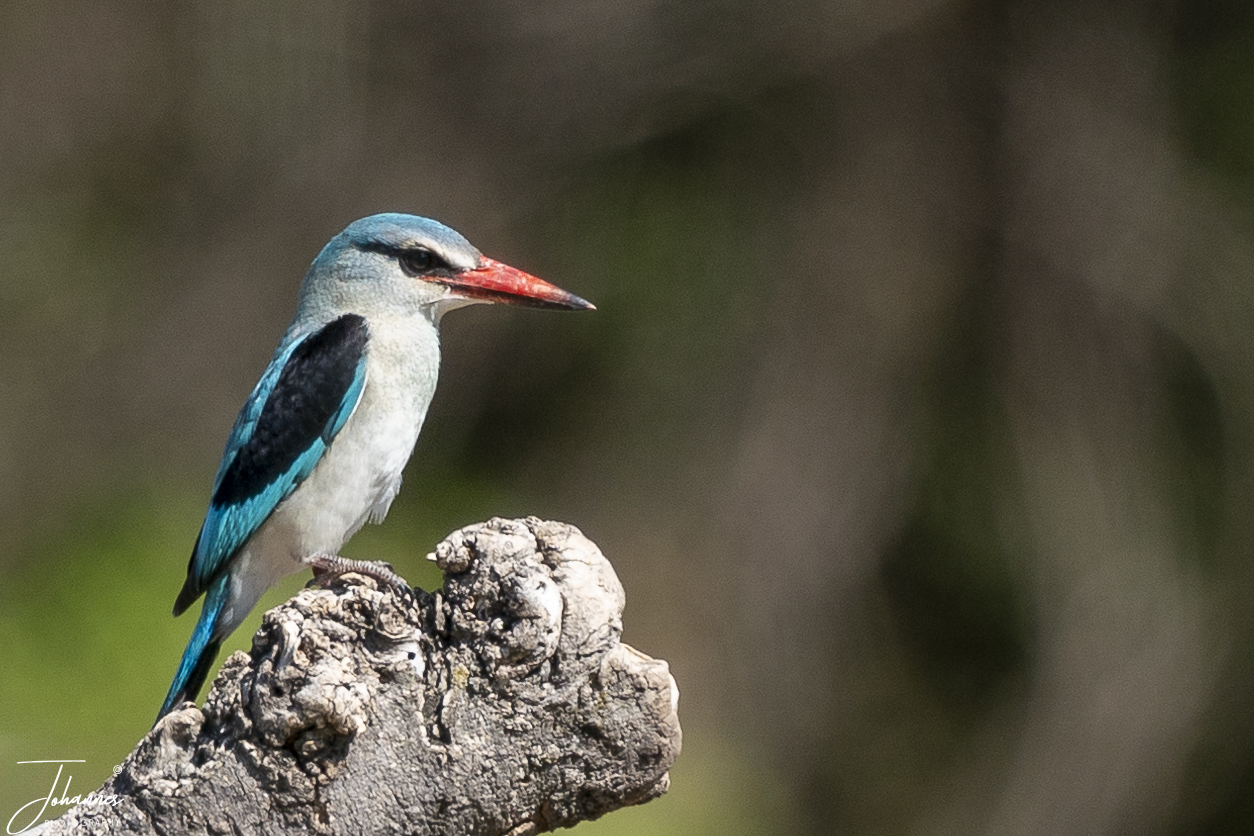
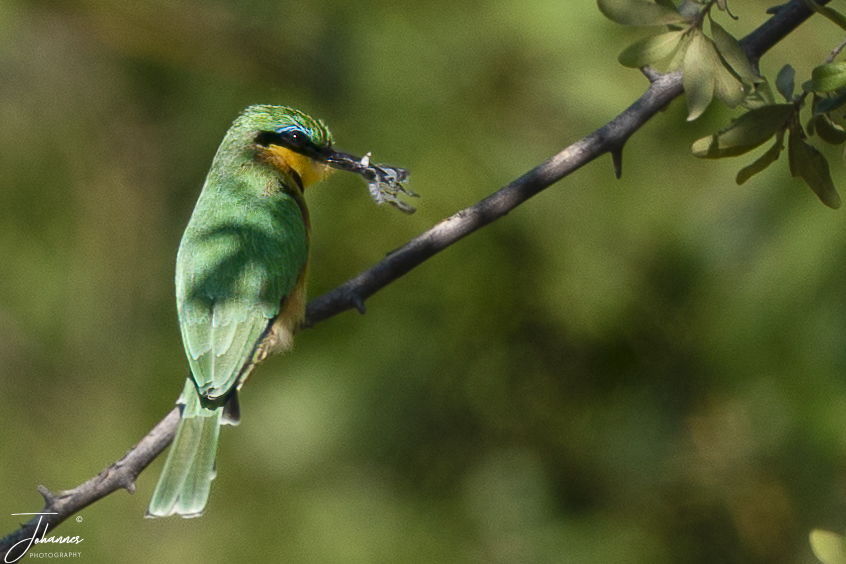
Sailing in a mokoro is a pure pleasure—so quiet and peaceful. The Delta is a paradise for birdlife, but you also encounter elephants and many other animals along the banks.
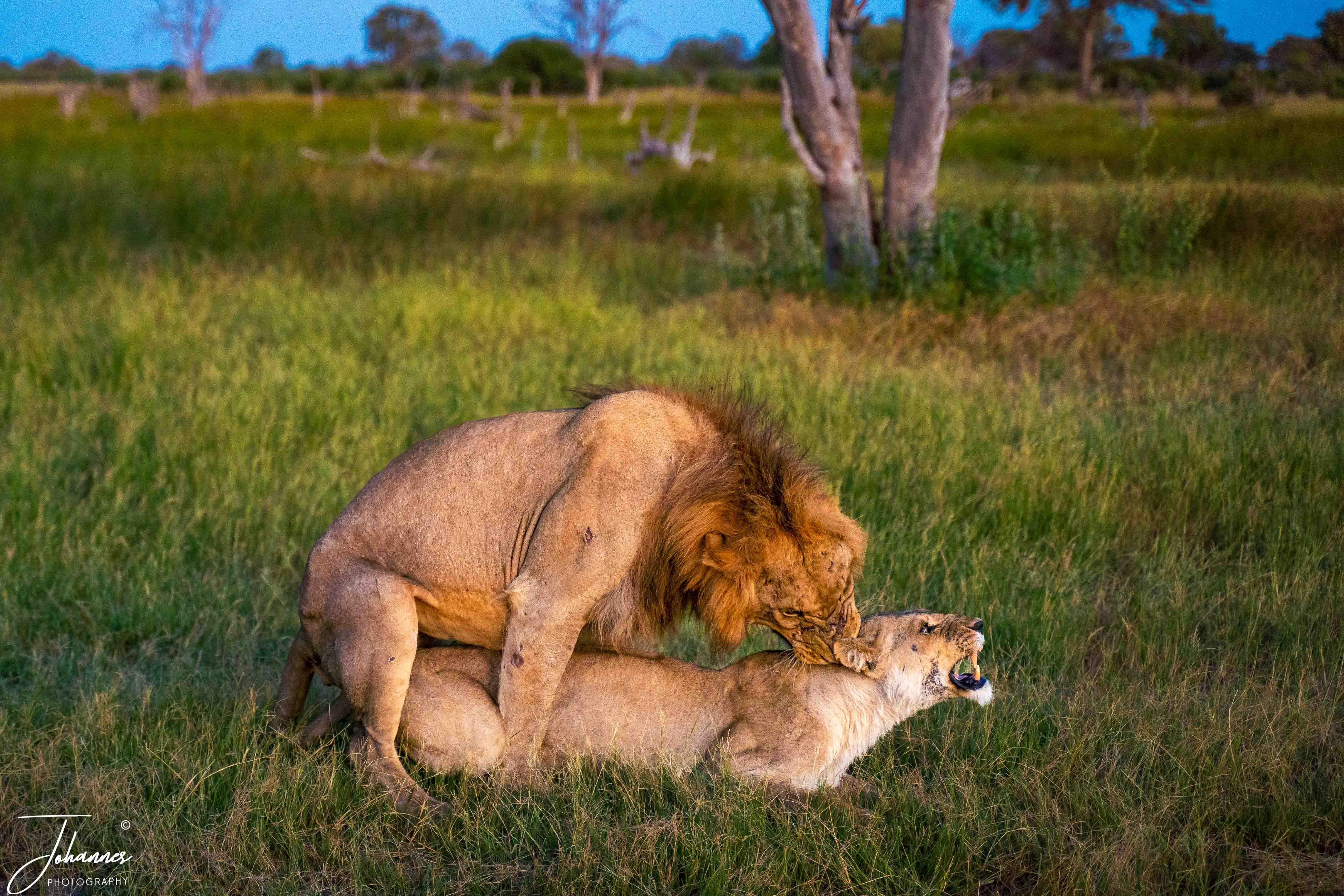
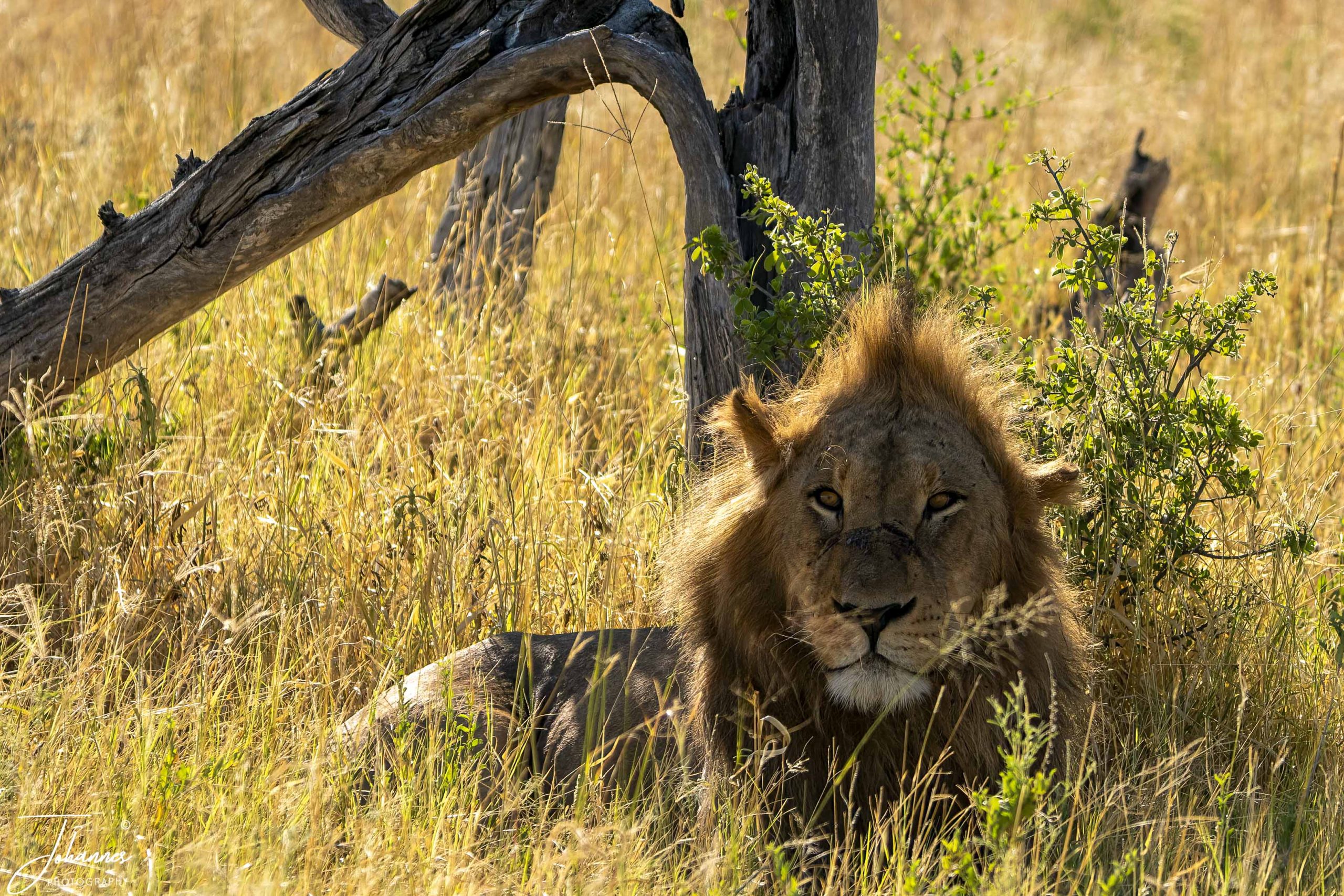
Walking the Wild In the mornings, we went on long hikes of 4 to 5 hours. I’ll admit, it was a bit scary at first because the lions roam free here. The trick is to keep your eyes and ears open and maintain a safe distance. We avoided thick wooded areas and tall grass for safety. While it’s intimidating initially, you get used to it very quickly.
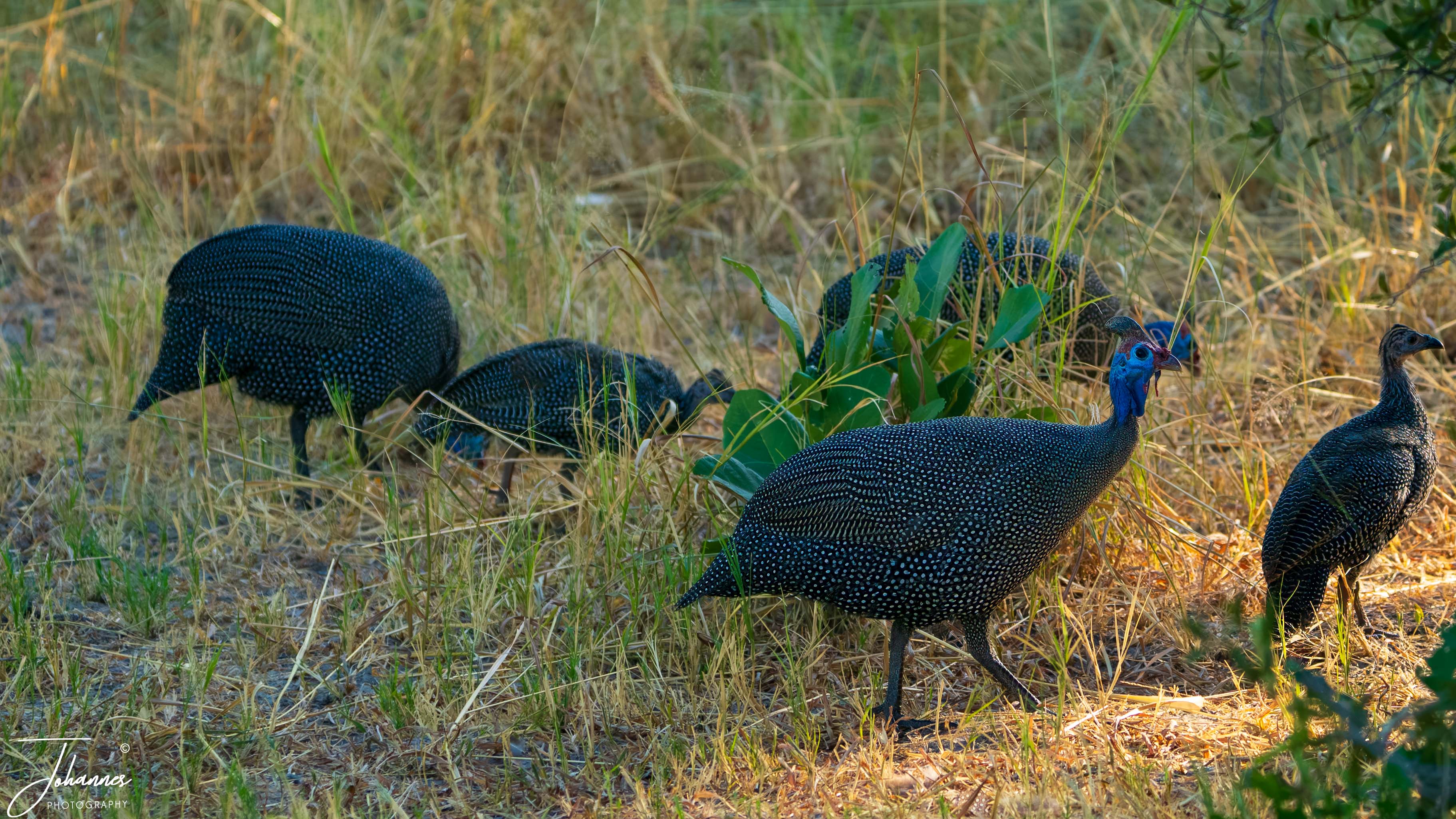
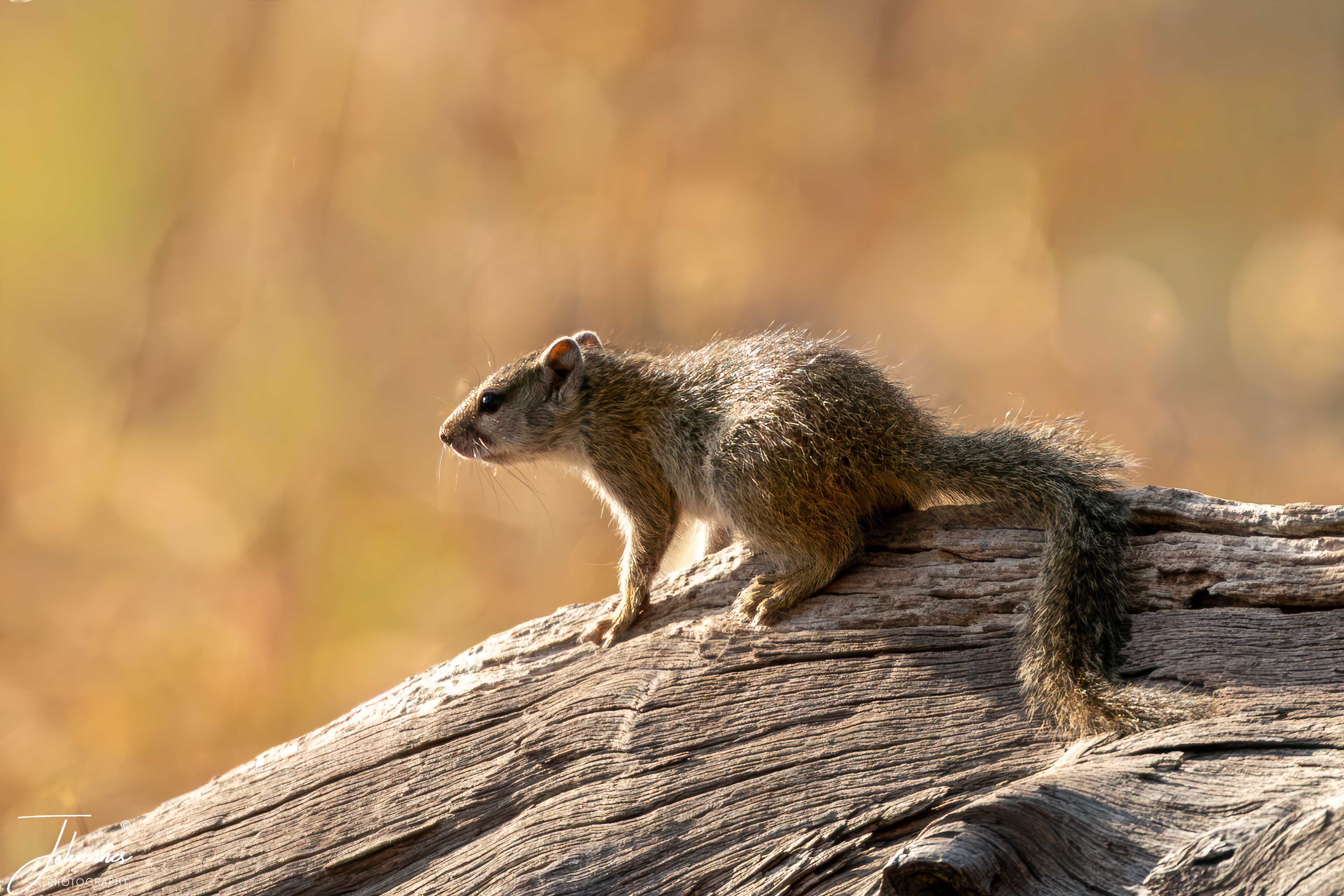
I was once again surprised by the sheer variety of birds and animals we encountered on foot. In the afternoons, we rested before heading back out through the winding canals in the mokoro at 4:00 PM.
Botswana in one word: AMAZING!!